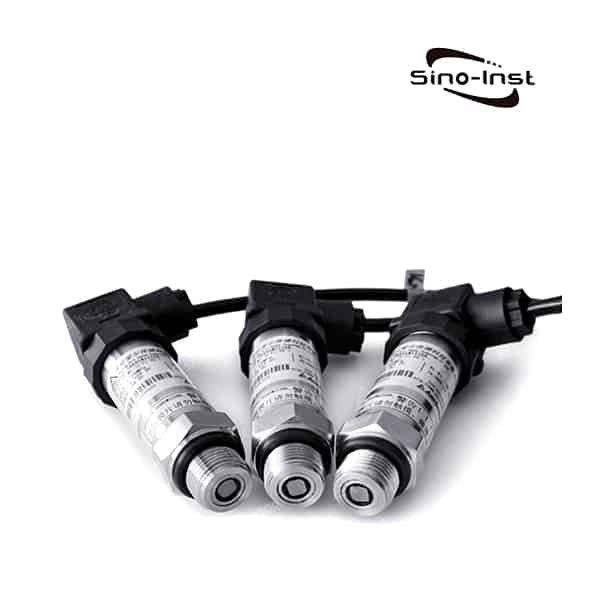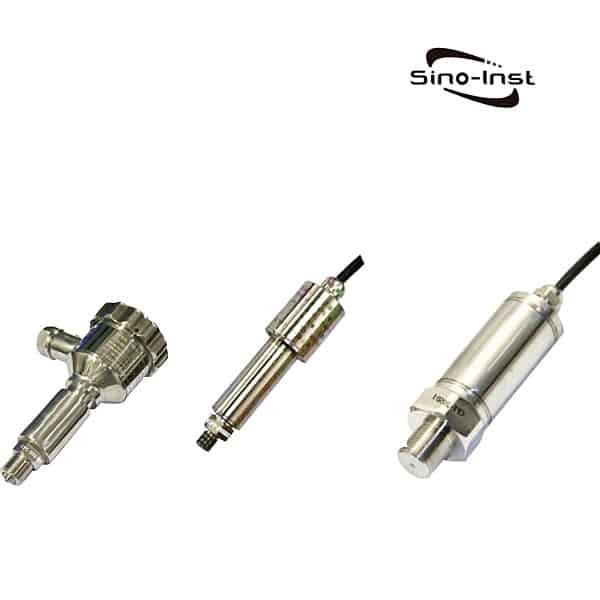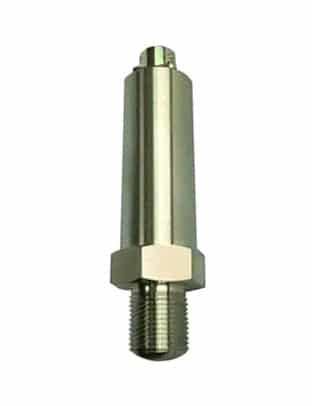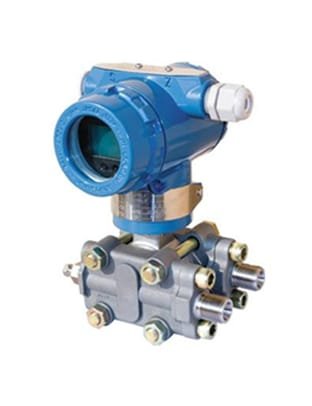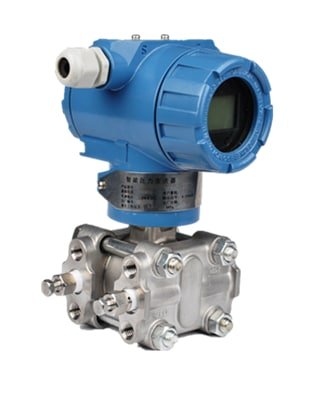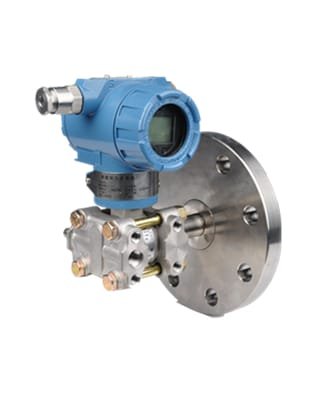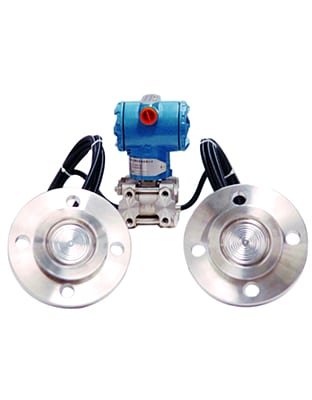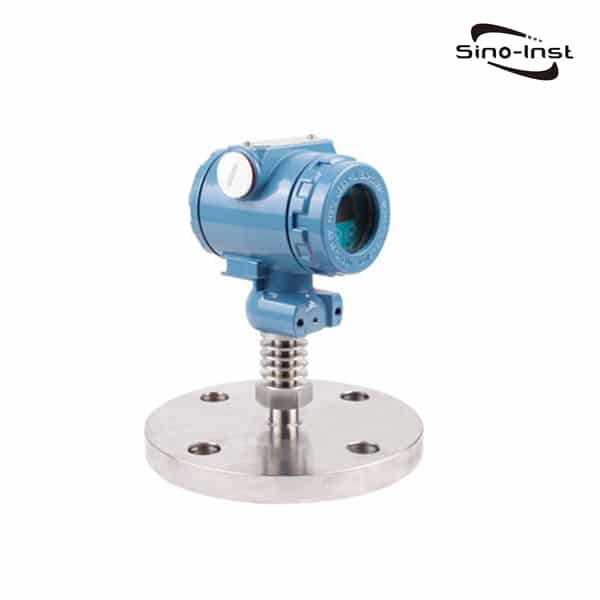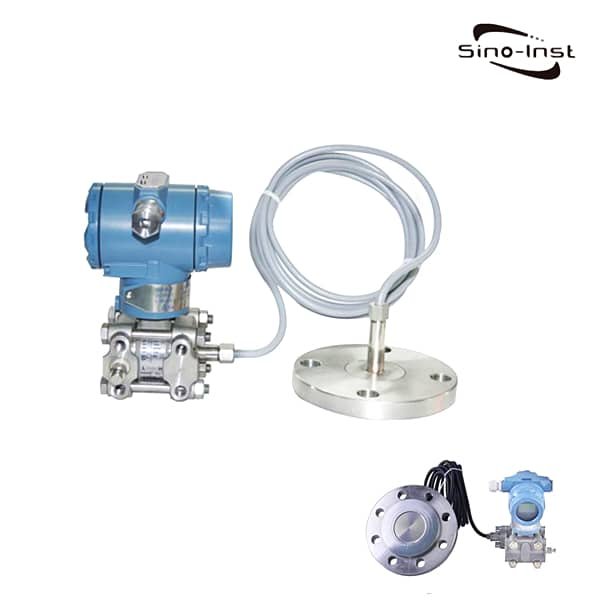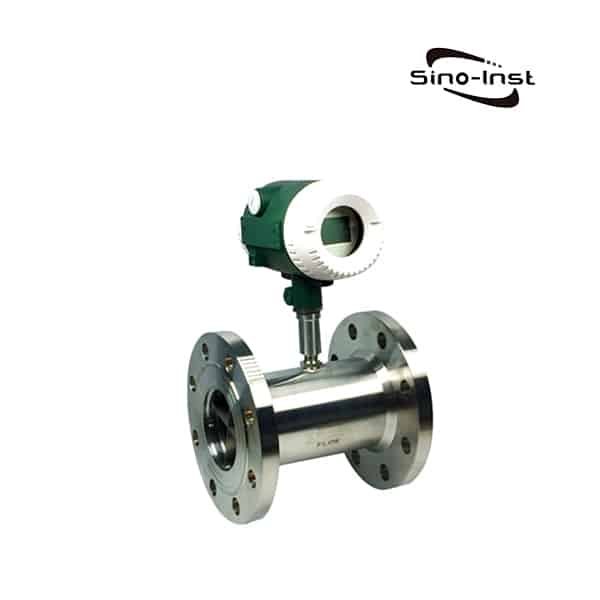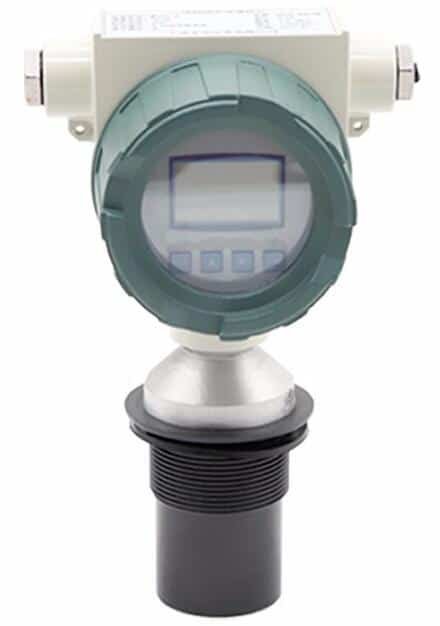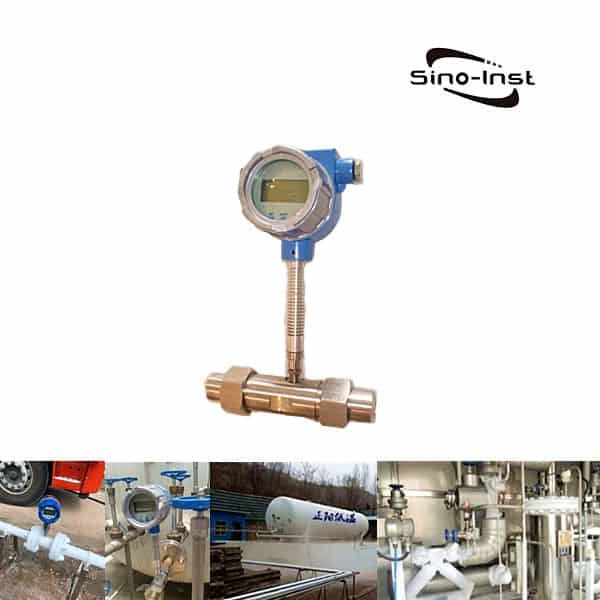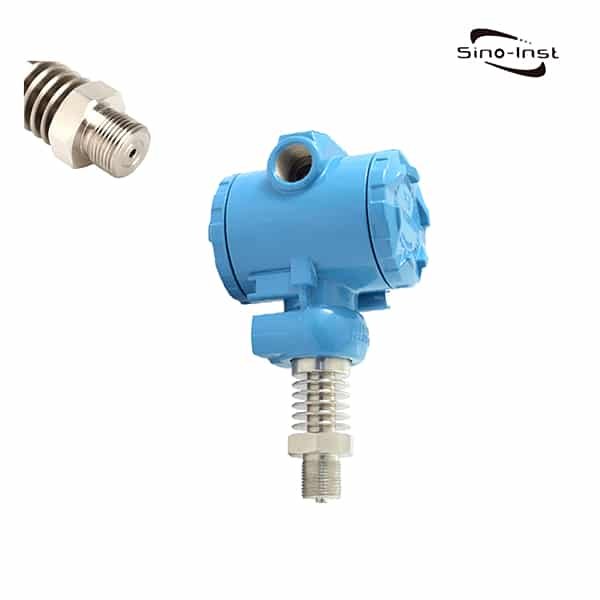
SMT3151AP Absolute Pressure Transmitter

Absolute Pressure Transmitter

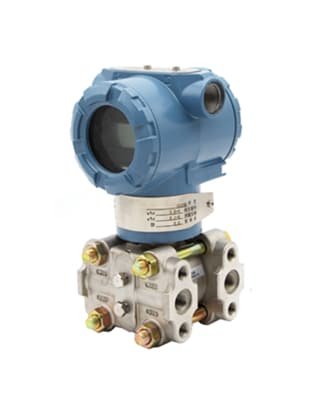
Absolute pressure transmitters measure the absolute pressure of the medium in the equipment. Its reference pressure is the absolute value 0 (vacuum), which has nothing to do with atmospheric pressure. Therefore, there is a vacuum sealed chamber on the low-pressure side of the pressure core.

When the fluctuation amplitude of the actual atmospheric pressure affects the process parameters beyond the allowable range, the use of absolute pressure transmitters is necessary. For example, in places where the local average atmospheric pressure deviates greatly from the standard atmospheric pressure.

Sino-Inst offers a variety of pressure senors for industrial pressure measurement. If you have any questions, please contact our sales engineers.

Absolute Pressure Transmitter Features

Direct Mount Pressure-Absolute Pressure Transmitter
  • Sensor Type : Industrial Pressure Transducers
  • Full function buttons on site
  • Pressure ranges: 0 … 1 mbar up to 0 … 600 bar
  • Output/Span 0 – 10 V, 0 – 5 V, 1 – 5 V, 10 mV/V, 4 – 20 mA, HART
  • Pressure Port/Fitting : 1/2 MNPT, 1/4 FNPT, 1/4 MNPT, 1/8 MNPT
  • Operating Temperature Range: -40 – 85 °C [ -40 – 185 °F ]

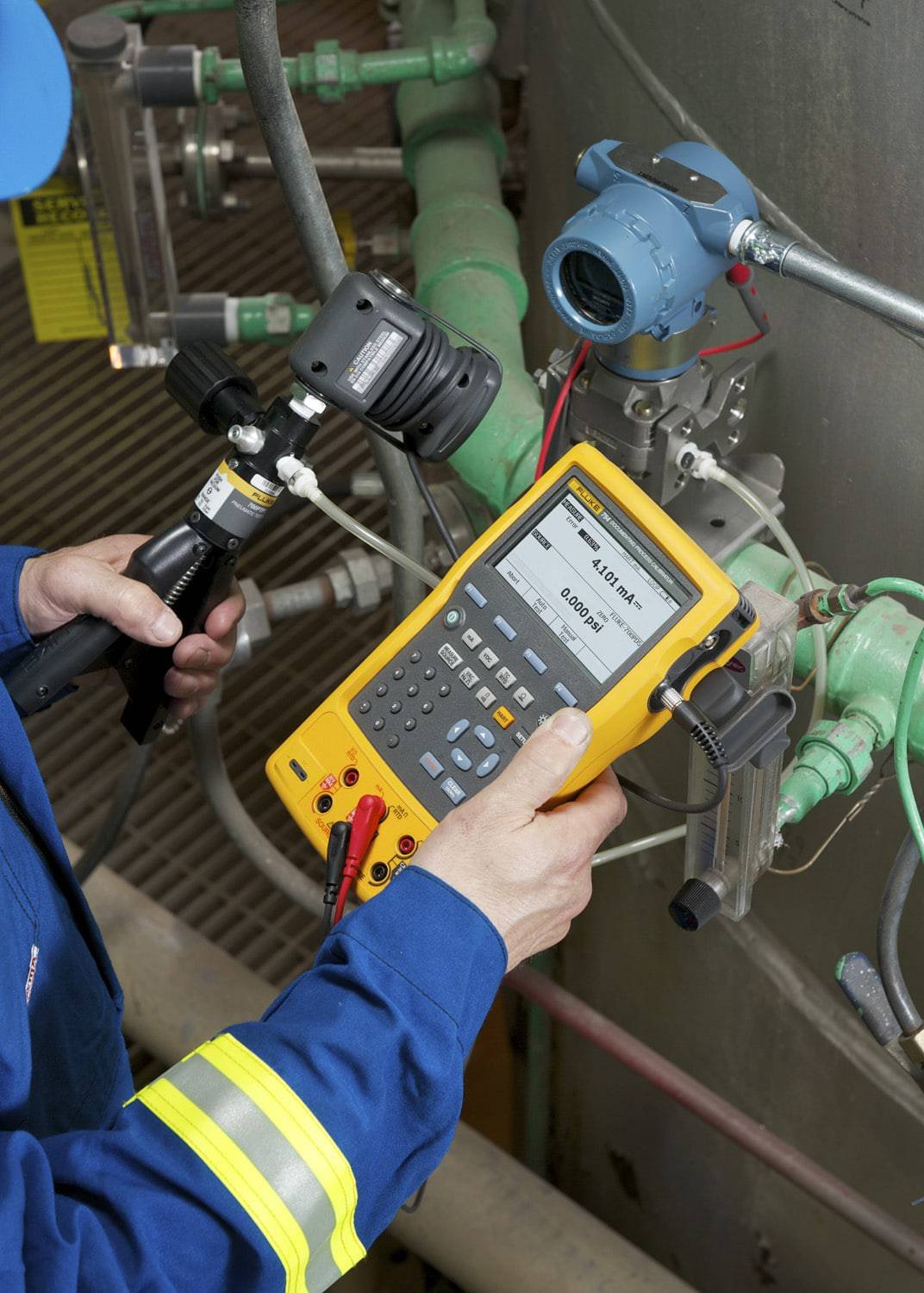
Extended reading: How to calibrate HART pressure transmitters

Specifications

Application:Liquid, gas or steam
Measurement range:0-41MPa
Output signal:4~20mAdc. output, superimposed HART protocol digital signal (two-wire system)
Power supply:External power supply 24Vdc., power supply range 12V~45V
Hazardous location installation:Explosion-proof type ExdIIBT5Gb; Intrinsically safe type ExialCT.4/T5/T6Ga;
Migration characteristics:At the minimum range (range compression ratio is 40:1), the maximum positive migration zero point is 39/40 times the upper limit of the range. The maximum negative migration zero point can be the lower limit of the range. The absolute pressure transmitter has no negative migration. (No matter what the output form is, after the positive and negative migration, the upper and lower limits of the range shall not exceed the range limit)
Temperature range:The electronic circuit board works at -40~85℃; the sensitive element works at -40~104℃; the storage temperature works at -40~85℃: with digital display works at -25~75℃ (operation); -40~85℃ (no damage)
Relative humidity:0~95%
Overpressure limit:Range 3 to 8 withstand 0 (absolute pressure) ~13.78MPa, pressure transmitter without damage; range 9 pressure does not exceed 31.29MPa; range 0 pressure does not exceed 51.4MPa: normal working pressure is 3.43kPa (absolute pressure) to the upper limit of the range.
Volume change:Less than 0.16cm3
Damping:The time constant is adjustable between 0.2~32.0s.
Accuracy:±0.1%, ±0.075%
Stability:±0.1% of the maximum range/12 months
Temperature effect:The temperature error including zero point and range is ±0.2% of the maximum range/20℃
Power supply effect:Less than 0.005%/V of the output range.
Vibration effect:In any axis, the frequency is 200Hz, and the error is ±0.05%/g of the maximum range.
Load effect:As long as the voltage of the input transmitter is higher than 12V, there is no load influence in the load working area.
Installation position effect:The maximum zero position error that can be generated is no more than 0.2kP, which can be eliminated by correction without affecting the range; the rotation of the measuring body relative to the flange has no effect.
Note: Under no migration, 316 stainless steel isolation diaphragm and other standard test conditions.

Order Guide

ModelTransmitter type
GPPressure transmitter
APAbsolute pressure transmitter
CodeScale range
20-0.10~3.5kPa(0-10~350mmH2O)
30-0.8~8.0kPa(0-80~800mmH2O)
40-4.0~40kPa(0-400~4000mmH2O)
50-20~200kPa(0-2000~20000mmH2O)
60-70~700kPa(0-0.7~7kgf/cm2)
70-210~2100kPa(0-2.1~21kgf/cm2)
80-700~7000kPa(0-7.0~70kgf/cm2)
90-2.1~21MPa(0-21~210kgf/cm2)
00-4.1~41MPa(0-41~4100kgf/cm2)
CodeOutput form
ELinear output 4-20mAdc
SFLinear output 4-20mAdc+HART signal,Full function buttons on site
FMODBUS-485 signal
CodePressure connection
L11/4NPT-18 Internal thread (excluding waist joint standard)
L21/2NPT-14 Internal thread
L3M20×1.5 External thread
CodeOptional parts
M4LCD multi – power digital display head
B1Pipe bending bracket
B2Plate bending bracket
B3Pipe mounting bracket
D0The discharge valve is at the end
D1The side discharge valve is on the upper part
D2The side discharge valve is on the upper part
C02M20 x 1.5 nut and Φ 14 pressure short tube
C121/2NPT-14 external thread and Φ14 pressure short tube
C221/4NPT-18 external thread and Φ14 pressure short tube
C321/4NPT-18 to M20×1.5 external thread
C421/2NPT-14 to M20×1.5 external thread
C431/2NPT-14 to 1/4NPT-18 internal thread
C441/2NPT-14 to 1/2NPT-14 external thread
C451/2NPT-14 to G1/2 external thread
X1Oil ban
GdMeasure the gold-plated membrane box
DaFlameproof  ExdIIBT5Gb;(explosion-proof certificate no. : CE16.1163)
FaIntrinsically safe ExiaIICT4 / T5 / T6Ga;(explosion-proof certificate no. : CE15.2354X)
CodeFlange connectorExhaust/Drain valveIsolation diaphragmFilling liquid
22316 Stainless steel316 Stainless steel316 Stainless steelSilicone oil
23316 Stainless steel316 Stainless steelHastelloy CSilicone oil
24316 Stainless steel316 Stainless steelMonelSilicone oil
25316 Stainless steel316 Stainless steelTantalumSilicone oil
33Hastelloy CHastelloy CHastelloy CSilicone oil
35Hastelloy CHastelloy CTantalumSilicone oil
44MonelMonelMonelSilicone oil
CodeShell materialConduit inlet dimensions
ALow copper aluminum alloy polyurethane coatingM20×1.5
BLow copper aluminum alloy polyurethane coating1/2-14 NPT
CStainless steelM20×1.5
DStainless steel1/2-14 NPT

Read more about: Common Units Of Pressure

What is the absolute pressure? 

The pressure expressed with complete vacuum as the zero standard is called absolute pressure. Absolute pressure has only positive values.

What is absolute pressure transmitter?

Absolute pressure (AP) transmitter measure relative to perfect (full) vacuum pressure (absolute zero pressure).

Therefore, AP transmitters are not affected by fluctuations in the local atmosphere.

All absolute pressure measurements are positive. The letter ‘a’ or the abbreviation ‘abs’ in the unit of measure (i.e., inH₂O(abs) or psia) indicates an absolute pressure measurement.

Any critical storage and delivery (toxic gases) will change due to atmospheric conditions. So these systems must be accurate and use static references.

Absolute pressure transmitters are used in applications where the pressure of a gas or liquid is isolated from changes in atmosphere. For example, when testing a sealed pressure vessel for leaks for a long time.

How do absolute pressure sensors work?

The absolute pressure transmitter is mainly composed of two parts. One part is directly connected to the side to be measured. The other side is designed as an absolute vacuum reference chamber. This makes the two compartments form Absolute pressure. When the pressure on both sides is inconsistent, the difference signal will be transmitted through a special transmission line. The computer system in the background can calculate the difference. The pressure value on the measured side is directly displayed.

Applications for Absolute Pressure Sensors

  • Absolute pressure sensors and absolute pressure gauges are often used for industrial high-performance vacuum pumps that need to be monitored.
  • It is used to vacuum pack medical products in a clean environment. To ensure hygienic and sterile delivery to hospitals and doctors.
  • In the food industry, vacuum packaging can be used when the highest possible vacuum is required to prevent oxygen from deteriorating perishable foods. This greatly extends the flavor and shelf life of the product.
  • In meat packaging, a vacuum that meets the requirements must be generated. This can safely guarantee the longest shelf life.
  • And pressure sensors affected by the atmosphere cannot monitor the high end of the vacuum.
  • Applications that require true absolute pressure sensors and instruments can also be found in scientific laboratories, universities, military and aerospace industries.

Sino-Inst supplies Direct Mount Pressure / Absolute Pressure Transmitter.

SMT3151 Absolute Pressure Transmitter
SM3151 TAP Pressure-absolute pressure transmitter shape and installation dimensions

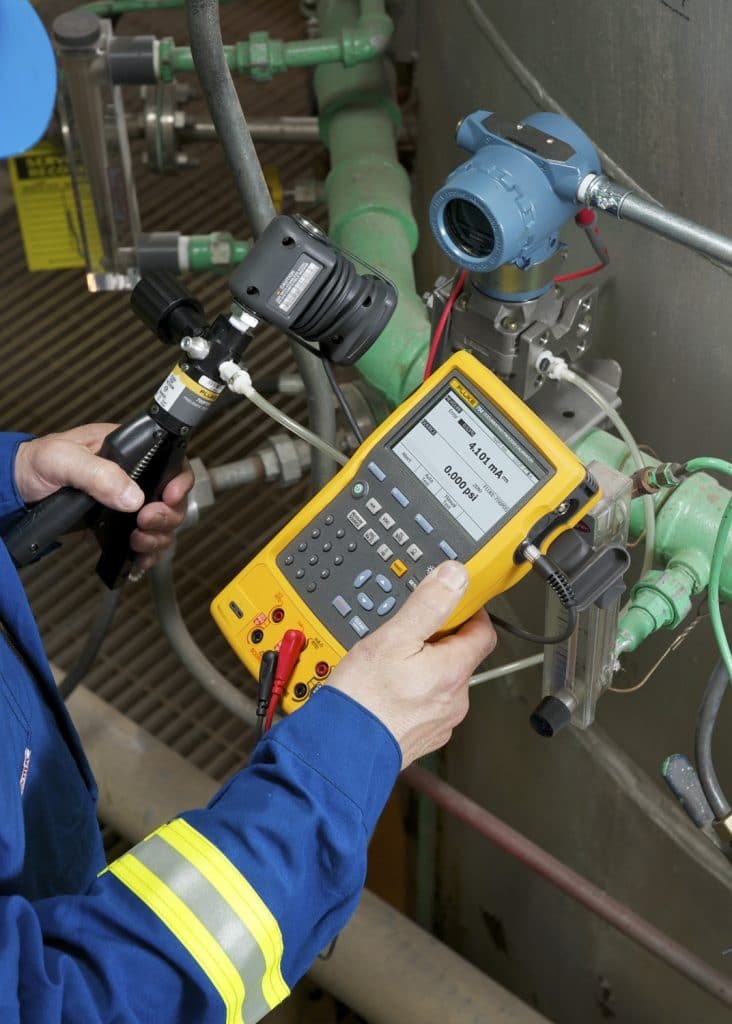
Absolute pressure transmitter calibration

  1. First make a 4-20mA fine adjustment. It is used to calibrate the D / A converter inside the transmitter. Because it does not involve sensing components, no external pressure signal source is required.
  2. Do a full fine-tuning again. Make the 4-20mA, digital reading coincide with the actual applied pressure signal. Therefore, a pressure signal source is required.
  3. Finally, re-quantify the range. By adjusting the analog output 4-20mA and the external pressure signal source. Its function is exactly the same as the zero (Z) and range (R) switches on the transmitter shell.

Read more about: Absolute Pressure Vs Gauge Pressure Measuring Instruments

Absolute pressure transmitter VS Gauge pressure transmitter

Absolute pressure transmitter

Absolute pressure transmitter can realize absolute pressure measurement in equipment such as degassing system, distillation tower, evaporator and crystallizer, and allows pressure under 10Mpa. The δ chamber side of the absolute pressure transmitter receives the measured absolute pressure signal. The other side is sealed into a high vacuum reference chamber. Then convert it into 4 ~ 20mA DC signal output.

Gauge pressure transmitter

A gauge pressure transmitter in the general sense is mainly composed of a load cell sensor (also called a pressure sensor), a measurement circuit and a process connection. It can convert the physical pressure parameters such as gas and liquid felt by the load cell sensor into standard electrical signals (such as 4 ~ 20mADC, etc.), and provide secondary indicators such as alarm indicators, recorders, and regulators for measurement and indication. And process regulation.

More Featured Pressure Transmitters and Pressure Measurement Solutions

Sino-Inst is Chinese manufacturer of absolute pressure transmitters. SMT3151AP absolute pressure transmitters, are our main products, which are widely used in USA, South Africa, and other countries.

Contact us any time, if you need the quotation or technical support.

Request a Quote

Please enable JavaScript in your browser to submit the form

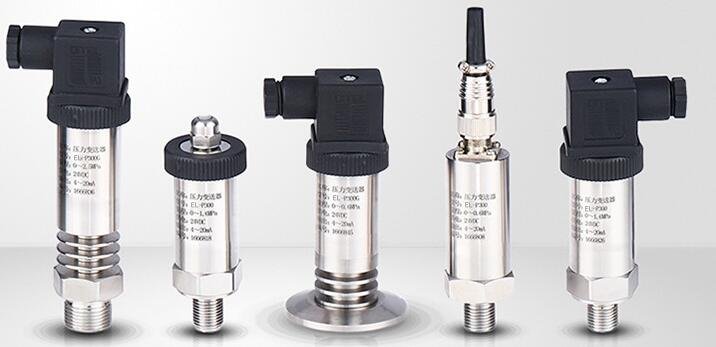
SI-2088 High Temperature Pressure Transducer

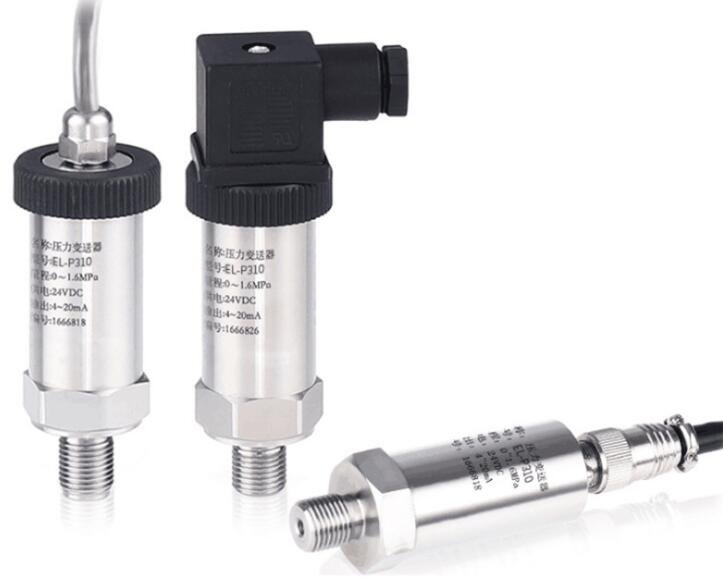
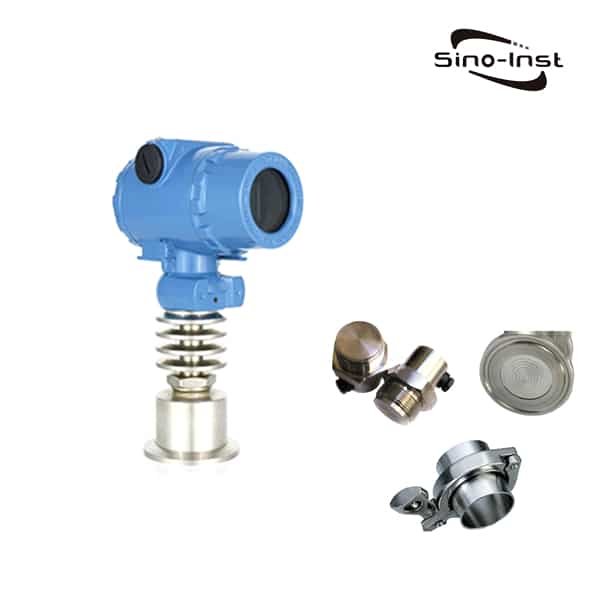
High Temperature Pressure Transducer is specially used for high temperature medium pressure measurement. Such as high temperature liquid, gas, steam, etc. The highest temperature is customized to 850℃.

High temperature resistant pressure sensor is selected as the signal measurement element. The transmitter structure includes a heat dissipation structure, and the high-precision signal processing circuit is located in the stainless steel housing. The sensor output signal is converted into a standard output signal, such as 4-20mA.

Sino-Inst is a manufacturer of high temperature pressure transducer in China. Committed to the manufacture, sales and engineering support of high temperature pressure sensors.

Features of SI-2088 High Temperature Pressure Transducer

  • Working temperature –55 …850 ° C, customizable;
  • Pressure range can also be customized, such as 150MPa high pressure;
  • The sensor and pressure interface are fully welded structures, and the housing protection level is IP65;
  • The material in contact with the medium is stainless steel, which has good corrosion resistance;
  • It is suitable for pressure measurement of high temperature, low temperature and normal temperature media, and can work stably for a long time;
  • It is impact-resistant, vibration-resistant and corrosion-resistant;

High temperature pressure transducer for measuring lowest pressure fluctuations in a harsh environment up to 850 ° C. For applications in hazardous areas, the sensor is available with intrinsically safe Ex-ia and non-incendive Ex-nA certifications.

Specifications of High Temperature Transducer

Range: 0 ~ 1KPa ~ 10KPa ~ 400KPa, -0.1 ~ 0 ~ 1 ~ 60 (MPa), 0 ~ 10KPa ~ 100MPa, Other pressure ranges can be customized.
Comprehensive accuracy: 0.25% FS, 0.5% FS
Output signal:4-20mA (2/4-wire system), 0-5 / 1-5 / 0-10V (3-wire system)
Power supply voltage: 24DCV (9 ~ 36DCV)
Medium temperature: -30 ℃ ~ 160-350 ℃, customized up to 800 ℃.
Ambient temperature: Normal temperature (-20 ~ 85 ℃)
Load resistance: Current output type: maximum 800Ω; voltage output type: greater than 50KΩ
Insulation resistance: Greater than 2000MΩ (100VDC)
Long-term stability: 0.1% FS / year
Vibration effect: In the mechanical vibration frequency 20Hz ~ 1000Hz, the output change is less than 0.1% FS
Electrical interface: Hessman connector (customizable)
Thread connection: M20 × 1.5, etc. Other threads can be designed according to customer requirements
Dimensions: M20 × Φ26.5 × 156
Shell protection: Plug type (IP65); cable type (IP67)
Safety explosion-proof: Ex iaⅡ CT5

Extended reading: High accuracy pressure transducers

Applications of high-temperature transmitters

SI2088 High Temperature Pressure Transducer used in the fields of steam, oil, boiler and heat energy exchange. Realize the measurement of liquid, gas and vapor pressure.

Application examples:

  • Industrial field process pressure detection;
  • Laboratory pressure calibration system;
  • Navigation and Shipbuilding;
  • Aviation and aircraft manufacturing;
  • Air separation equipment and thermal power unit;

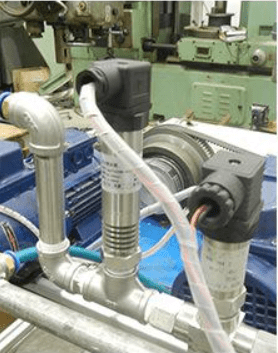
Application of high-temperature transmitter

Extended reading: Common Pressure Sensor Applications

Application of high temperature pressure transmitter in steam pipeline

Pure steam pipes have good mechanical properties and thermal insulation properties. Under normal circumstances, it can withstand a high temperature of 120 ° C. It can withstand a high temperature of 180 ° C by modification or in combination with other thermal insulation materials.

It is suitable for thermal insulation of various cold and hot water high and low temperature pipelines. The pressure detection in the steam pipeline is very important. And because of the high temperature characteristics in the pipeline. Therefore, it is suitable to use the high temperature pressure transmitter designed by our company for such occasions.

Extended Reading: MEMS Pressure Sensors

In addition, in the steam system, water hammer (Water Hammer) is one of the main hazards causing casualties. Thereby eliminating the hazard of water hammer. This shows that daily pressure monitoring of the pipeline is very important.

Extended reading: High Temperature Flow Meter

Precautions for the correct use of steam pressure transmitters

   1. Prevent the steam pressure transmitter from contacting with corrosive or overheated media;
   2. Prevent dross from depositing in the conduit;
   3. When measuring gas pressure, the pressure port should be opened at the top of the pipeline, and the pressure transmitter should also be installed at the top of the pipeline, so that the accumulated liquid can be easily injected into the process pipeline;
   4. The pressure guiding pipe should be installed in a place with small temperature fluctuation;
   5. When measuring steam or other high-temperature media, a condenser such as a buffer tube (coil) should be connected, and the working temperature of the transmitter should not exceed the limit;
   6. When freezing occurs in winter, the transmitter installed outdoors must take anti-freezing measures to avoid the expansion of the liquid in the pressure port due to the frozen volume, resulting in the loss of the sensor;
   7. When wiring, pass the cable through the waterproof connector or the flexible tube and tighten the sealing nut to prevent the rainwater etc. from leaking into the transmitter housing through the cable.

High Temperature Pressure Transducers vs. Cooling Elements

Generally, the design method is to reduce the temperature near the pressure transmitter by incorporating mechanical cooling components to dissipate heat.

The cooling assembly may be filled with oil and isolated from the process medium by the isolation diaphragm.

Alternatively, the cooling assembly may include a hollow tube. The shape of the hollow tube is designed to increase heat transfer. This allows the process medium that is allowed to pass to be lowered to a much lower temperature.

The cooling element usually relies on the principle of convection heat transfer. This convective heat transfer principle is a mechanism for transferring heat due to the movement of fluid. In contrast, conductive heat transfer is the transfer of energy due to molecular vibration. In addition to cooling elements, convection is also used in many other engineering practices.

The cooling element may be able to reduce the temperature of the medium. This is usually a much cheaper solution than high temperature sensors. It is assumed that the medium density is not greatly affected by temperature changes within the normal operating range. Then this method can keep the pressure unchanged.

The cooling element usually works in air and water, but it is not suitable for oily media such as hydraulic oil. High temperature sensors must be used in these applications because the viscosity of this medium is highly temperature dependent.

The cooling element should be made of stainless steel so that most process media have maximum corrosion resistance. The nickel content of the steel is usually 1.25% and the chromium content is 0.65% to 0.8%.

The cooling element should withstand a maximum pressure of 5,000 psi at 38 ° C (100.4 ° F) and a maximum pressure of 3500 psi at 400 ° C (752 ° F). It also reduces the liquid process temperature at the sensing element from 260 to 38 ° C (500 to 100.4 ° F).

600 ℃ High Temperature Remote Pressure transmitter / Differential Pressure Transmitter

600 ℃ ultra-high temperature remote transmission pressure transmitter / remote transmission differential pressure transmitter cleverly uses the combination of ultra-high temperature silicone oil and internal isolation diaphragm. This makes the field application temperature greatly increased to about 600 ℃.

Greatly expanded the application range of ultra-high temperature pressure / differential pressure measurement. It can be widely used in coal chemical industry and CSP industry.

How to Select a Pressure Transducer For High Temperature Medium

Define your high temperature pressure transmitter requirements using this checklist:

  • Process temperature?
  • Cooling mechanism?
  • Ambient temperature?
  • Pressure range?
  • Output signal? 4-20mA
  • Electrical connection?
  • Process connection?
  • Process media type?

More Featured Pressure Transducers and Solutions

Sino-Inst produces and supplies pressure transmitters that meet various extreme temperature conditions. In addition to customizing high temperature pressure transmitters, we can also customize ultra-low temperature pressure transmitters, ultra-high pressure pressure transmitters, etc.

Our high temperature pressure transmitters are suitable for high temperature applications such as steam, food processing and engine monitoring. We widely serve users in various countries and industries.

If you have a special request, you can just contact us for Technical Support.

Request a Quote

Please enable JavaScript in your browser to submit the form

Featured Silicon Pressure Sensor

A Silicon Pressure Sensor is a pressure transmitter widely used in industry. It uses diffused silicon or ceramic piezoresistive sensors as pressure detection elements. It has strong overload capacity, good stability, and strong anti-interference ability. It has extremely high accuracy and repeatability, and the measurement interface has good corrosion resistance.

Silicon Pressure Sensor Benefits

  • Silicon Pressure Sensor has a large signal output. It provides great advantages for the back-end transmission and conditioning circuit. It has high resolution and high sensitivity.
  • It can be compensated twice. The sensitivity temperature coefficient and zero temperature coefficient of Silicon Pressure Sensor can be compensated. Even the finished core can be compensated twice.
  • Silicon Pressure Sensors are relatively cheap and cost-effective.
  • The Silicon Pressure Sensor is small and easy to install. It can be installed and used in narrow locations.
  • 316L stainless steel mechatronic structure with good durability.
  • Integrated dedicated chip, few discrete components, good temperature characteristics.

Industrial Silicon Pressure Sensor Technical Parameters

Pressure MediaFluids, Gas
Supply Voltage-30℃~160-350℃, customized up to -300~850℃
Operating Range(Gage/Absolute Pressure)–Max(0~60)MPa, Min(0~0.5)KPa
(Negative Pressure)—Max(-100KPa~), Min(-0.2~0.2 )KPa
Accuracy±0.5%(25℃)
Over Pressure200% full scale
Long Term Stability<0.25%FS per year
Response<100ms
Output Signal(4~20)mA+HART protocol(Current two-wire/three-wire, HART protocol), etc.
Temperature Range-30℃~160-350℃, Customized up to -300~850℃
Temperature Effects0.00015%FS/℃
Pressure ConnectionG1/2 female or user specified
Electrical ConnectionWaterproof Connector(M20*1.5)
Protection ClassIP65

Silicon Pressure Sensor Applications

Silicon Pressure Sensor Mainly used to measure the pressure of gas, liquid and other objects. The parameters are then converted into standard telecom signals.

The application scope of diffusion silicon pressure transmitter mainly has the following:

  1. Petroleum/Petrochemical/Chemical
    Matched with the throttling device, it provides accurate flow measurement and control.
    Measures pressure and level in pipes and tanks.
  2. Electricity/city gas/other company business
    Places such as measurement require high stability and high precision.
  3. Pulp and paper
    It is used in places requiring chemical resistance, corrosion resistance, etc.
  4. Steel/non-ferrous metals/ceramics
    It is used for furnace pressure measurement and other places requiring high stability and high precision measurement.
    For use where stable measurements are required under strictly controlled (temperature, humidity, etc.) conditions.
  5. Machinery/Shipbuilding
    It is used in places where stable measurement is required under high-precision conditions such as strict control of temperature and humidity.

There are many types of pressure sensors. Such as resistance strain gauge pressure sensor. Semiconductor strain gauge pressure sensor. Piezoresistive pressure sensor. Inductive pressure sensor. Capacitive pressure sensor. Resonant pressure sensor, etc.

At present, the widely used pressure sensors include: diffused silicon piezoresistive pressure sensors, ceramic piezoresistive pressure sensors, sputtering film pressure sensors, capacitive pressure sensors, and sapphire pressure sensors with high temperature resistance.

But the most widely used is the piezoresistive pressure sensor, which has extremely low price, high precision and good linearity.

Extended reading: What is an air pressure transducer?

When the semiconductor silicon material is subjected to force, the atomic lattice changes.
That is, the spacing of the lattice changes. Then the carrier mobility of the silicon material changes.
changes, and the concentration changes. The lateral distribution structure and longitudinal distribution of carriers are disturbed.
The distribution structure of the material eventually leads to a change in the resistivity of the material. The above is half of the
A detailed elaboration of the piezoresistive effect of conductor silicon materials.

A pressure sensor that is also widely used, that is, a resistance strain sensor. Compared with a piezoresistive pressure sensor, the working process or working principle between the two is essentially different.

Piezoresistive Effect of Semiconductor Silicon Piezoresistive Pressure Sensor and Strain Effect of Metal Strain Gauge
The difference between the two should be: the output power of the former, that is, the change of the resistance value mainly depends on the material.
The change of the resistivity of the material. The output power of the latter, that is, the change of the resistance value depends on
Changes in material geometry (strain.

The sensitivity of semiconductor silicon material is high, and its sensitivity is 50 to 100 times that of metal strain gauges.

In 1954, Smith devoted himself to researching the piezoresistive effect of semiconductor silicon material. At the same time, he used it to make pressure sensors.

The silicon pressure sensor researched in the early stage is similar to the semiconductor strain gauge. After development and research, the N-type silicon wafer is doped with P-type impurities by diffusion or ion implantation. The resistance bar is customized. It is matched behind the resistance bar Connect a suitable bridge circuit to make an integrated chip.

It is the same as the use of resistance strain gauges. The chip cannot be used independently to complete the measurement work. It also needs to be firmly attached to the elastic element to sense the change in the measured pressure.

Diffused silicon piezoresistive pressure sensor refers to a sensor made by using the above-mentioned chip as a sensitive element.

The piezoresistive chip of the piezoresistive pressure sensor is packaged in a shell, and the periphery is fixed to form a silicon cup structure.

On the circular silicon diaphragm, four resistance strips with equal resistance value are made by the above-mentioned diffusion or ion implantation doping method.

Put two of them in the range of compressive stress. The other two are fixed in the range of tensile stress. Together they form a Wheatstone bridge measurement circuit.

Resistor strips are drawn from the bridge power supply terminal and output terminal.

The above-mentioned structure is packaged by the manufacturing method of an integrated circuit to obtain a diffused silicon piezoresistive pressure sensor.

Capacitive pressure sensor is a pressure sensor that uses capacitive sensitive elements to convert the measured pressure into an electrical output that has a certain relationship with it. The characteristics are that the input energy is low, the dynamic response is high, the natural effect is small, and the environmental adaptability is good.

It generally uses a circular metal film z or a metal-plated film as an electrode of the capacitor. When the film is deformed by pressure, the capacitance formed between the film and the fixed electrode changes. The output can be in a certain relationship with the voltage by measuring the circuit. electrical signal.

Capacitive pressure sensors belong to the polar distance variable capacitive sensors. They can be divided into single capacitive pressure sensors and differential capacitive pressure sensors

Current MEMS pressure sensors include silicon piezoresistive pressure sensors and silicon capacitive pressure sensors. Both are microelectromechanical sensors produced on silicon wafers.

The silicon piezoresistive pressure sensor uses high-precision semiconductor resistance strain gauges to form a Wheatstone bridge as a force-electricity conversion measurement circuit. It has high measurement accuracy, low power consumption and extremely low cost. Piezoresistive sensor for a Wheatstone bridge. If there is no pressure change, its output is zero and almost no power consumption.

Capacitive pressure sensors use MEMS technology to create a grid-like shape on a silicon wafer. The upper and lower two transverse barriers become a group of capacitive pressure sensors. The upper transverse grille is displaced downward by pressure. Changed the spacing between the upper and lower transverse grids. It also changes the size of the capacitance between the plates, that is, △ pressure = △ capacitance.

Extended reading: Industrial Pressure Transmitters|Buy from the manufacturer

More Pressure Measurement Solutions

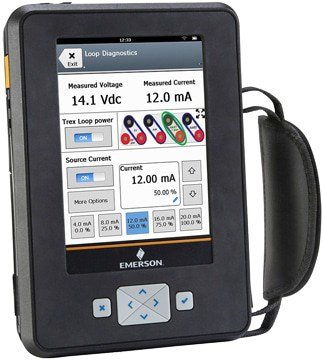
All of our pressure sensors can work with the NEW AMS TERX communicator.

Sino-Inst offers over 20 Silicon Pressure Sensors. A wide variety of  Silicon Pressure Sensors options are available to you. Such as free samples, paid samples. Sino-Instrument is a globally recognized manufacturer of Silicon Pressure Sensors, located in China.

Sino-Inst sells through a mature distribution network that reaches all 30 countries worldwide. Silicon Pressure Sensors products are most popular in Europe, Southeast Asia, and Mid East. You can ensure product safety by selecting from certified suppliers. With ISO9001, ISO14001 certification.

Request a Quote

Please enable JavaScript in your browser to submit the form

Beginner’s Guide for HART Protocol

The HART protocol is the most trusted communication protocol in recent years. It combines the characteristics of analog systems and digital control systems.

Field instruments in process plants are beginning to be subject to more complex metrology regulations. Most new field instruments are now smart digital instruments. HART is widely used in process and instrumentation systems, such as smart HART pressure transmitters.

What is the HART protocol?

The full name of HART protocol is Highway Addressable Remote Transducer Protocol. This open standard for fieldbus communication was introduced by Fisher-Rosemount in the 1980s.

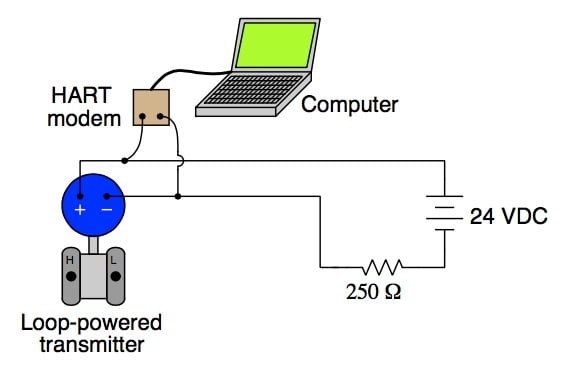
In order to solve the communication problem between industrial field intelligent instruments and control systems. The FSK (Frequency Shift Keying) frequency shift keying signal based on the Bell202 standard is used to superimpose an audio digital signal with an amplitude of 0.5mA on the traditional 4-20mA analog signal for two-way digital communication.

HART communication will not interfere with the analog signal transmitted to the control system. It ensures compatibility with existing analog systems. It is a transitional product in the process of transforming from analog systems to digital systems.

Benefits of HART protocol

Compatibility: HART protocol can be used to connect all types of field instruments, including temperature, liquid level, pressure, flow, analyzer, etc.

Reliability: HART protocol has full-duplex communication capability. The device can send and receive at the same time, ensuring the reliability of communication.

Ease of use: HART protocol can be transmitted through the existing 4-20mA signal. No additional hardware and cables are required, which is easy to use.

Working principle of HART protocol

HART protocol usually uses 4-20mA signal for two types of communication: analog signal and digital signal.

In analog signal, 4mA corresponds to the minimum value of instrument signal. 20mA corresponds to the maximum value of instrument signal.

In digital signal, the device can send digital instructions to the instrument. The instrument can also send complete measurement data and fault diagnosis information.

Digital signals can be separated and analyzed through HART system, which improves the performance of the system and reduces the cost of field instruments.

Application examples of HART protocol

  • Equipment adjustment: Through HART protocol, the parameters of field instruments can be adjusted remotely to achieve rapid adjustment of equipment.
  • Fault detection and diagnosis: HART protocol allows equipment to obtain the measurement data and fault diagnosis information of the instrument, which helps to find and solve equipment faults in time.
  • Valve control: According to the measurement data, the state of the inlet (outlet) valve can be controlled through HART protocol to achieve precise flow control.

If this article still can not explain the HART PROTOCOL for you, you can learn more about Highway Addressable Remote Transducer Protocol

HART protocol specification

As an open, compatible, stable and reliable communication protocol, HART protocol has been widely recognized and applied in the industrial field.

After decades of continuous evolution, multiple versions have been updated and improved. Each revision brings new technologies and functions while being compatible with previous versions to meet the ever-changing development needs of industrial automation.

The main functions and differences of the current mainstream versions HART 5, HART 6 and HART 7 are as follows:

①Protocols before HART 5:
Physical layer: RS485;
Link layer: Token master-slave question and answer mode;
Application layer: define some simple general commands.

②HART 5 version protocol:
Physical layer: analog current + FSK, 1200bps;
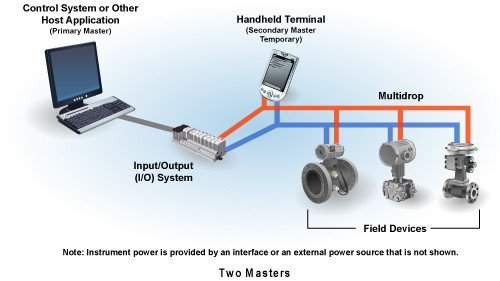
Link layer: token master-slave question and answer mode, adding a second master device and a slave device burst mode;
Application layer: further enriches general commands, ordinary commands, special commands, and short address range 0 to 15.

③HART 6 version protocol:
Physical layer: Added current C8PSK, 9600bps specification;
Application layer: Expanded command content, used extended user identification, added device cluster command, short address range 0~63.

④HART 7 version protocol:
Physical layer: Added 2.4G DSSS O-QPSK 10dBm 250kbps specification;
Link layer: Added time division multiple access (TDMA) link control mode;
Network layer: Added self-organization, multipath, mesh network specifications;
Application layer: Expanded device cluster command, added mesh network maintenance command.

Version567
Analog loop check
Tag (8 characters)
Device calibration
Device configuration
Broadcast message (burst)
Multivariable communication (4)
Primary variable with status
Device status
Long tag (32 characters)
Locate device
Digital loop check
HART software lock
Multivariable status
Wireless
Extended manufacturer ID
Time stamp
Trending
Synchronous sampling
Enhanced broadcast message – exception reporting
Enhanced broadcast message – event notification

Featured HART Communicators and Smart Meters

hART protocol vs modbus

Modbus protocol and HART protocol are two different industrial communication protocols, which have the following differences:

Modbus protocol is a request/response protocol. That is, a master device can send request information or write data to multiple slave devices. The slave device will reply or execute only when it receives the request from the master device. HART protocol is a hybrid protocol that combines analog and data signals. That is, a digital signal is superimposed on the 4-20mA analog signal to achieve two-way data transmission and remote control.

Modbus protocol supports multiple physical layers and transmission modes, such as RS232/RS485/RS422, TCP/IP, wireless, etc. HART protocol mainly uses RS485 physical layer, and can also use wireless physical layer, but does not support TCP/IP transmission mode.

Modbus protocol can transmit multiple variables and information. The data type is limited and the number of nodes is limited. HART protocol can only transmit one primary variable and some secondary variables, device status and configuration data, with rich data types and unlimited number of nodes.

Modbus protocol is an open, compatible, flexible, easy-to-use protocol with no security guarantee. The HART protocol is an open, compatible, stable and reliable protocol with certain security guarantees.

More Measurement Solutions

HART is one of the most widely used bus protocols for industrial field devices. In addition, there are also common modbust protocols, Profibus protocols, FF Foundation bus protocols, etc.

Our simple introduction here cannot fully summarize such a protocol. There are still many details that are not included. For example, variable management, diagnostic definitions, etc. Please refer to the HART standard for specific development.

We Sino-Inst supply various process instruments with HART protocol. Including HART pressure transmitters, flow meters, level meters, etc. If you need to purchase, or have related technical questions, please feel free to contact our sales engineers!

Request a Quote

Please enable JavaScript in your browser to submit the form

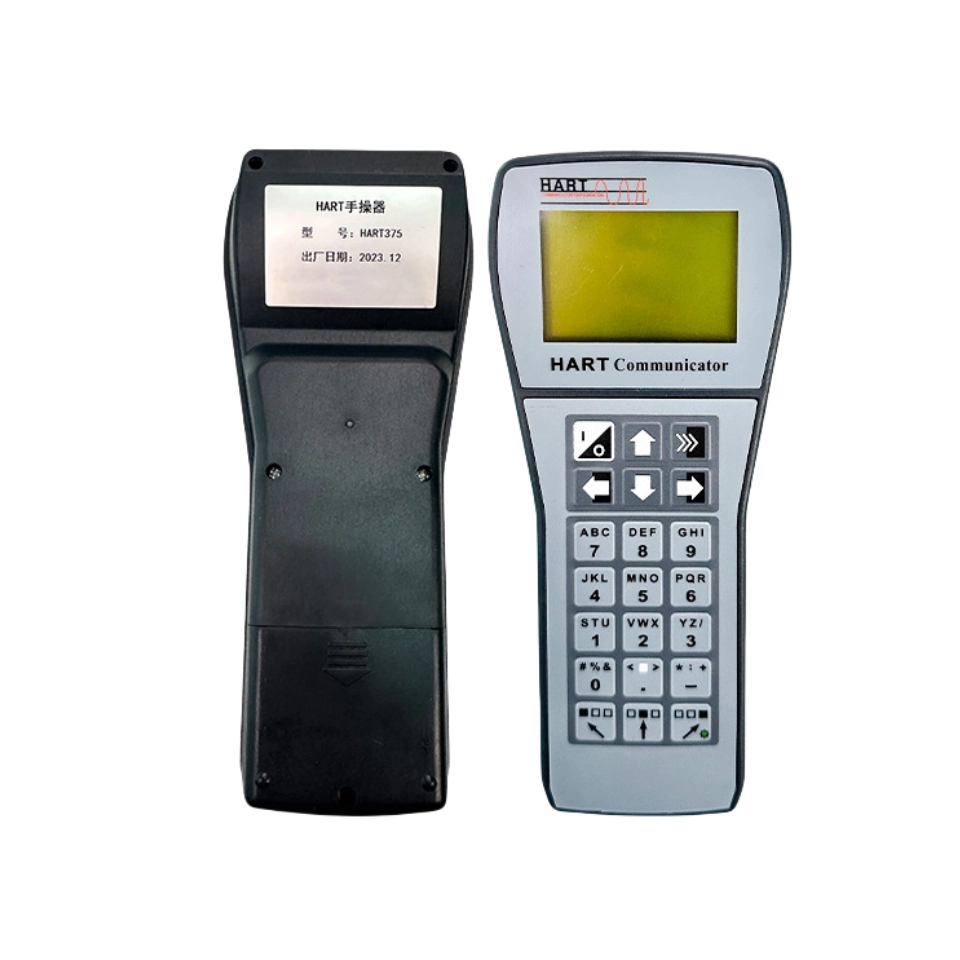
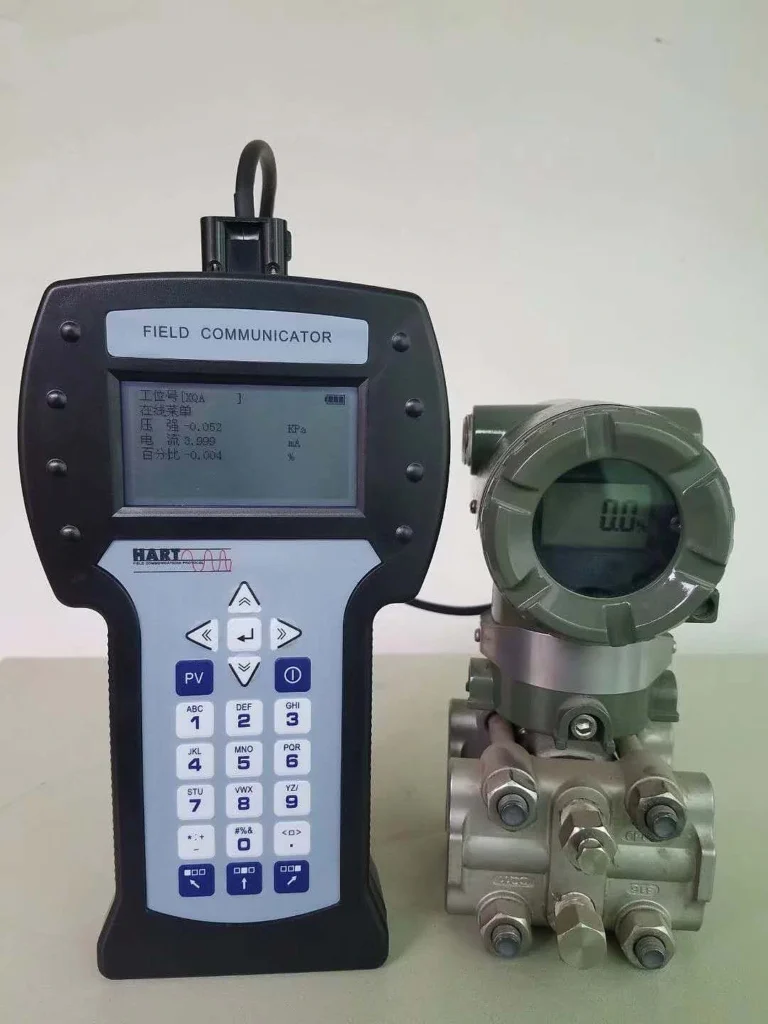
HART 375 Field Communicator

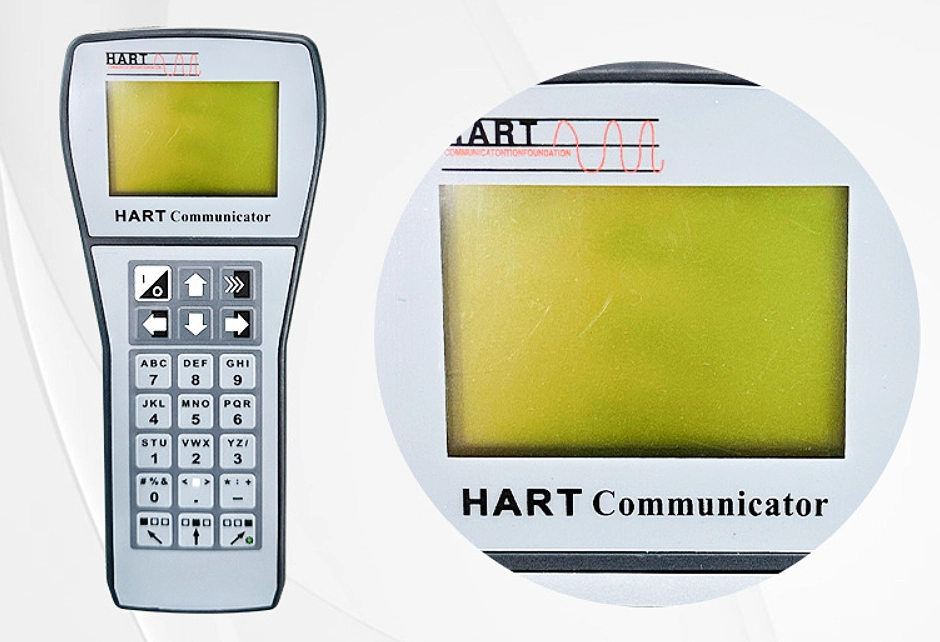
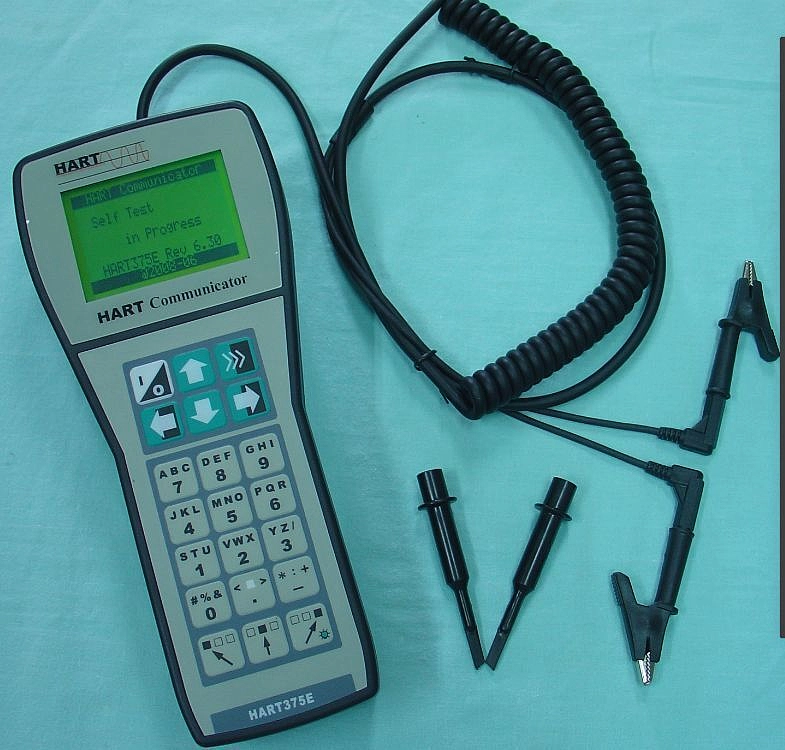
HART 375 Field Communicator is a handheld communicator that supports HART protocol devices. It can configure, manage and maintain all devices that comply with the HART protocol.

This intelligent handheld operator can communicate with 11513351, 3851, 1851, 3051, EJA and other HART protocol instruments. It is fully compatible with various intelligent pressure transmitters produced in China.

Features of HART 375 Field Communicator

  1. Easy operation: Large display screen (4 lines, 18 characters per line);
  2. Online monitoring and communication: During communication, the modulated signal will not interrupt the 4~20mA DC signal;
  3. Can be used with instruments using the HART communication protocol: Used with all instruments using the HART communication protocol;
  4. Information self-diagnosis/protection function: self-check function, formatting password protection, low voltage alarm display;

Applications

  • Fully supports all standard HART communications;
  • Siemens intelligent pressure transmitter;
  • Lanlian LSⅢ intelligent pressure transmitter;
  • 3051 intelligent pressure transmitter;
  • 1151, 3151 intelligent pressure transmitter;
  • Fairbus CDS-3151 intelligent pressure transmitter;
  • Yokogawa EJA intelligent pressure transmitter (supports new version)
  • Russian METRAN-49, 100 intelligent pressure transmitter
  • Rosemount 1151, 3051 intelligent pressure transmitter (supports new version)

Function

  • HART intelligent devices can be tested, diagnosed and inspected in production;
  • HART intelligent devices can be configured, calibrated, diagnosed, maintained and monitored during field operation;
  • Obtain manufacturer information of HART instruments on site;
  • Understand the working status and fault information of HART instruments;
  • Read the output current and process variables of the instrument;
  • Obtain parameters and output values ​​of related sensors;

Specifications of 375 HART Communicator

Microprocessor:80MHZ
RAM:32M
Built-in memory:32M
System card:128M or higher
Expansion module:32M
Protection:IP51 (front)
Working environment:-10~50 degrees Celsius
Anti-vibration:1m landing on concrete floor is no problem
Weight:0.9KG, including battery
Humidity:0~95% (no condensation)
Display:1/4VGA (240*320 pixels)
Storage:-20~55 degrees Celsius (with battery)
-20~60 degrees Celsius (without battery) 
Keyboard:25 keys, 4 operation keys, 12 letter keys, 4 shoulders, 4 function keys and power key
Battery:Rechargeable NiMH battery, can be used for 10 hours, 85~240vac charging
Dimensions:228mm×98mm×60mm

Working Principle of HART 375 communicator

HART 375 Field Communicator is a portable terminal that is used with instruments that use the HART communication protocol to set, change and display them. It can monitor input/output values ​​and self-diagnosis results. Set constant current output and zero adjustment.

When the system is started or maintained, just connect the HART375 HART communicator to the 4~20mA communication signal line and it can be used.

With the Video below, you will know more about: The Working Principle of HART 375 communicator, and what is HART Protocol?

HART 375 Field Communicator Vs HART 475 Field Communicator

Rosemount HART375 and HART475 handheld operators have been discontinued. Sino-Inst’s HART375 and HART475 are affordable.

Functional difference

The range of supported products is different. In fact, the functions and supported range of HART375 and HART475 are similar. In terms of function, the HART protocol library of 475 is continuously upgraded, so it supports the widest range of products.

Speed ​​difference

It is reflected in the convenience of operation. The data operation processor of HART475 is much faster than that of HART375.

Read More about: HART475 Field Communicator

Now, Emerson stopped all the services of the 375.
You can consider buying a new version-Emerson AMS TREX Device Communicator.

Our 375 Communicator is suitable for most transmitters with HART protocol. For example:

You may like:

If you need the datasheet, price, or more information about HART 375 Field Communicator,

Just Contact Us.

Sino-Inst offers over 100 Level Sensors (like the ultrasonic level transmitter), pressure transducers (like the Low-Pressure Transducer, capacitive pressure transducer), Flowmeters ( like the Portable Ultrasonic Flowmeter, Magnetic flow meters ).

About 50% of these are Submersible Level Sensors, 40% are water Sanitary Pressure Transmitter, and 40% are 4-20mA/ Voltage Pressure Transducer . A wide variety of Industrial Pressure Transmitters options are available to you, such as free samples, paid samples. 

Sino-Inst is a globally recognized supplier and manufacturer of  wireless pressure transmitters instrumentation, located in China. We sells through a mature distribution network that reaches all 50 states and 30 countries worldwide.

HART 375 products are most popular in Domestic Market, Southeast Asia, and Mid East.  You can ensure product safety by selecting from certified suppliers, with ISO9001, ISO14001 certification.

Request a Quote

Please enable JavaScript in your browser to submit the form

HART475 Field Communicator

The HART475 Field Communicator is a handheld communicator that supports HART protocol devices. It is mainly used for configuring, managing, maintaining, adjusting HART intelligent instruments in industrial sites and monitoring instruments during operation.

The HART475 Field Communicator can communicate with 1151, 3051, EJA, ABB, and other HART protocol instruments. It is fully compatible with various intelligent pressure (temperature) transmitters, and can also communicate with electromagnetic flowmeters, V-cone flowmeters, target flowmeters, vortex flowmeters, and other flowmeters that support HART protocol.

Features of HART475 Field Communicator

  • During online monitoring and communication, the modulated signal will not interrupt the 4~20mA DC signal;
  • The HART communicator can be shared with instruments using HART communication protocol and can be used with all instruments using HART communication protocol;
  • Easy to operate Large display screen, users can see at a glance, easy to set and change;
  • Information self-diagnosis/protection function;
  • Full-featured communication: communication supports flow meters, temperature meters, and transmitters carrying HART protocol;
  • Large-screen display: the display interface is larger and clearer, using LCD screen;
  • Production testing, diagnosis and inspection of HART smart devices;
  • It can configure, calibrate, diagnose, maintain and monitor HART intelligent equipment in field operation;
  • Obtain the manufacturer information of the field HART instrument;
  • Understand the working status and fault information of the HART instrument;
  • Read the output current and process variables of the instrument;
  • Obtain the parameters and output values of related sensors;
  • Self-checking function;
  • format password protection;
  • Low voltage alarm display;
  • Standard technical specifications;

What’s in the Box

  • The device is equipped with:
  • A manual operator
  • A Battery
  • A Pack
  • A charger
  • A communication cable
  • A 250-ohm resistor

Configuration parameters

Product name:HART475 English Communicator (Field Communicator)
Protocol version:HART475
Compatible Versions:HART275/HART375/HART475
Communication object:It can communicate with 1151,3051, EJA, ABB, and HART protocol imported instruments in terms of flow and various smart transmitters made in China with HART protocol
Accuracy class:0.05%F.S
Battery storage:-20~50℃
Operating temperature:-10~50℃
Relative humidity:0~95%RH (no condensation)
Product Weight:0.48Kg
Dimensions:230*130*45mm
Power supply:Built-in rechargeable battery
Packing:With carrying case
Accessories:Charger,test lead,alligator clip,2500 resistor

More Featured Products can work with HART Communicators:

Now, Emerson stopped all the services of the 375. You can consider buying a new version-Emerson AMS TREX Device Communicator.

If you need the datasheet, price, or more information about HART 375 Field Communicator,

Just Contact Us.

Sino-Inst offers over 100 Level Sensors (like the ultrasonic level transmitter), pressure transducers (like the Low-Pressure Transducer ), and Flowmeters (like the verabar and annular).

About 50% of these are Submersible Level Sensors, 40% are water Sanitary Pressure Transmitters, and 40% are 4-20mA/ Voltage Pressure Transducer.

A wide variety of Industrial Pressure Transmitters options are available to you, such as free samples, and paid samples. 

Sino-Inst sells through a mature distribution network that reaches all 50 states and 30 countries worldwide. HART475 Field Communicators are most popular in the Domestic Market, Southeast Asia, and Mid East.  You can ensure product safety by selecting from certified suppliers, with ISO9001, ISO14001 certification.

Request a Quote

Please enable JavaScript in your browser to submit the form

Hello world!

Welcome to WordPress. This is your first post. Edit or delete it, then start writing!