Both RTDs and thermocouples turn temperature into an electrical signal, but they fail and shine in opposite places — so the real question is never “which is better”, it is “which fits this point”. This is a selection guide: pick by range, accuracy, speed, and budget. If you just want the plain working-principle difference, our RTD vs thermocouple overview covers that, while the matrix below tells you which to actually specify.
Contents
- RTD vs thermocouple: the short answer
- How each sensor works
- Accuracy and stability compared
- Temperature range compared
- Response time, ruggedness and wiring
- Cost compared
- Decision matrix: which to choose by application
- Featured temperature sensors
- Frequently asked questions
RTD vs thermocouple: the short answer
For most process points below about 600 °C where accuracy and long-term stability matter, choose an RTD (Pt100 or Pt1000). Reach for a thermocouple when you need very high temperature, the fastest response, the most rugged sensor, or the lowest cost per point. Almost every other difference between the two flows from that trade-off, so anchor your decision there first.
How each sensor works
An RTD measures temperature from the resistance of a pure metal element — a platinum Pt100 reads 100 Ω at 0 °C and rises along a precise, repeatable curve. A thermocouple instead generates a small voltage at the junction of two dissimilar metals (the Seebeck effect); that voltage tracks the temperature difference between the measuring junction and a reference (cold) junction. One reads resistance, the other reads millivolts — which is why they need different wiring and signal handling.
Accuracy and stability compared
RTDs are the more accurate and stable choice. A Class A Pt100 is specified to about ±0.15 °C at 0 °C, and good platinum elements drift very little over years. A base-metal thermocouple is typically ±1.0–2.2 °C, or roughly ±0.4–0.75% of reading, and it drifts more as the junction ages, oxidises, or sees thermal cycling. If repeatable, traceable accuracy is the priority — pharma, food processing, lab, custody — the RTD or a standard reference sensor is the safer pick.
Temperature range compared
This is where thermocouples win decisively. Thermocouples cover roughly -250 °C to +1800 °C depending on type — Type K to about 1260 °C, and noble-metal Types S, R and B higher still. RTDs are usually rated -200 °C to +600 °C, with some specials to +850 °C. Above about 600 °C — furnaces, kilns, boilers and heat treatment — a thermocouple is effectively the only practical option.

Response time, ruggedness and wiring
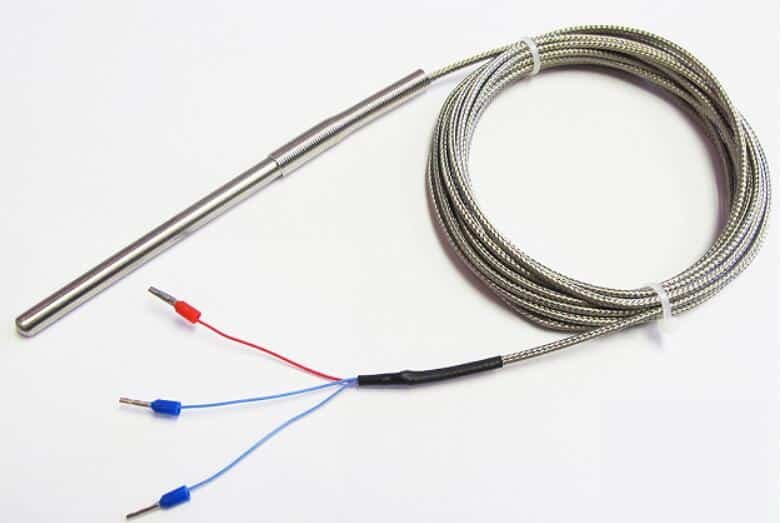
A thermocouple’s tiny junction has very low thermal mass, so it responds faster and tolerates shock and vibration better — useful for transient or rough service. An RTD’s element is more delicate and a little slower, but you trade that for stability. Wiring differs too: an RTD should use a 3- or 4-wire connection so lead resistance is cancelled (a 2-wire RTD adds the cable’s resistance straight onto the reading), while a thermocouple needs matching extension wire and cold-junction compensation. Many points are easiest to standardise by feeding either sensor into a temperature transmitter that outputs 4–20 mA.
Cost compared
Per point, thermocouples are cheaper — commonly 2.5–3× lower installed cost than an equivalent RTD assembly, and their extension wire is inexpensive. RTDs cost more up front but can be the lower lifetime cost where their stability avoids re-calibration and off-spec product. When you have many non-critical points, thermocouples keep the budget down; for a few critical measurements, the RTD premium is easy to justify.
Decision matrix: which to choose by application
| Application / priority | Choose | Why |
|---|---|---|
| Furnace, kiln, exhaust > 600 °C | Thermocouple | Only practical sensor at very high temperature |
| Pharma, food, lab < 300 °C, high accuracy | RTD | ±0.15 °C, low drift, traceable |
| Fast transient / vibration | Thermocouple | Low thermal mass, rugged junction |
| Long-term stable / custody | RTD | Minimal drift over years |
| Many low-criticality points / tight budget | Thermocouple | 2.5–3× lower cost per point |
| Cryogenic to mid-range, precise | RTD | Accurate and repeatable -200 to +600 °C |
Featured temperature sensors
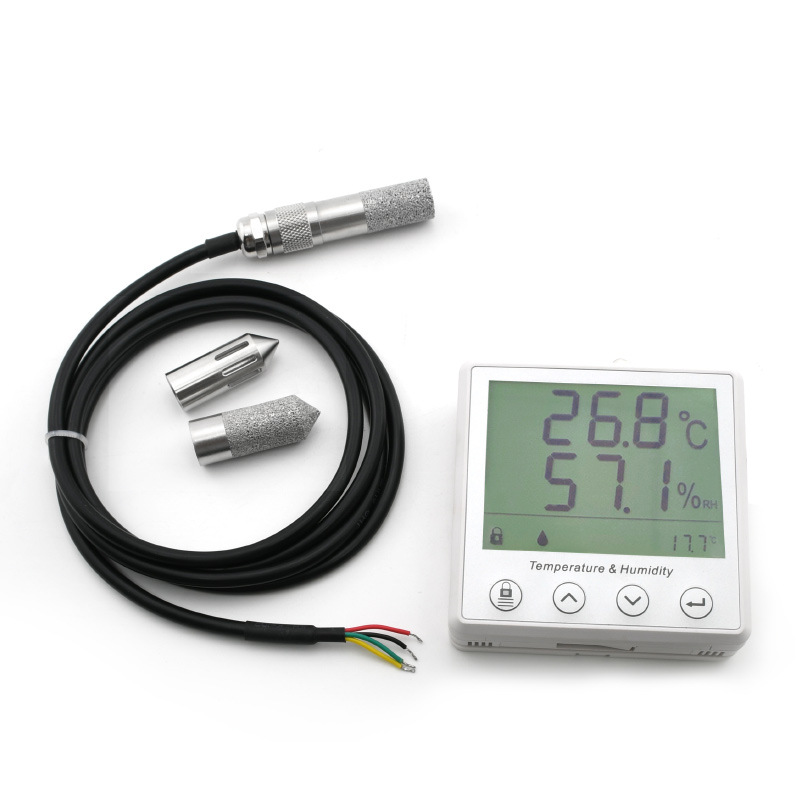
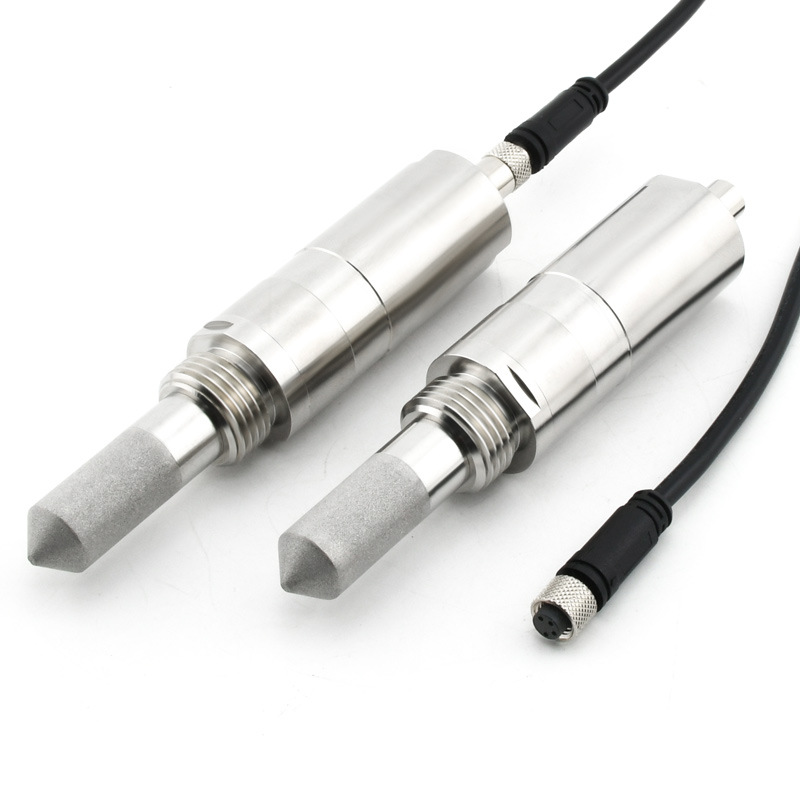
Three Sino-Inst options covering both technologies and the transmitter that conditions either signal:

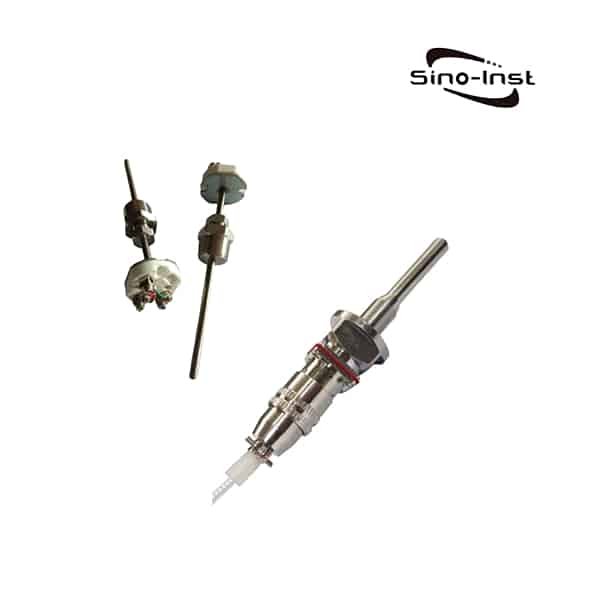
Pt100 RTD (Thermal Resistance)
Platinum Pt100/Pt1000 RTD assemblies for accurate, stable measurement from -200 to +600 °C, in 3- or 4-wire configurations.

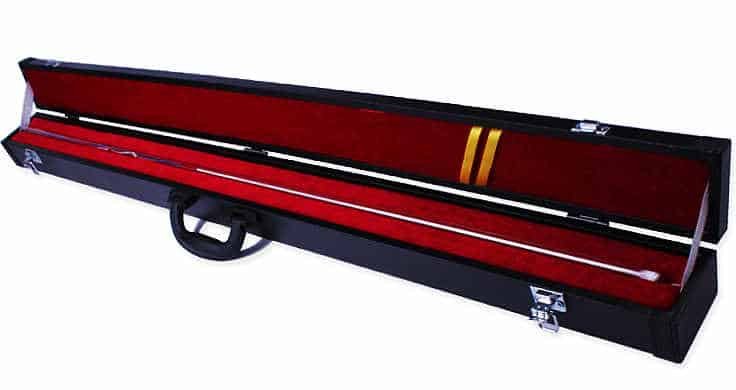
Platinum-Rhodium Thermocouple
Noble-metal Type S/R/B thermocouples for high-temperature furnace, kiln and heat-treatment service up to ~1700 °C.
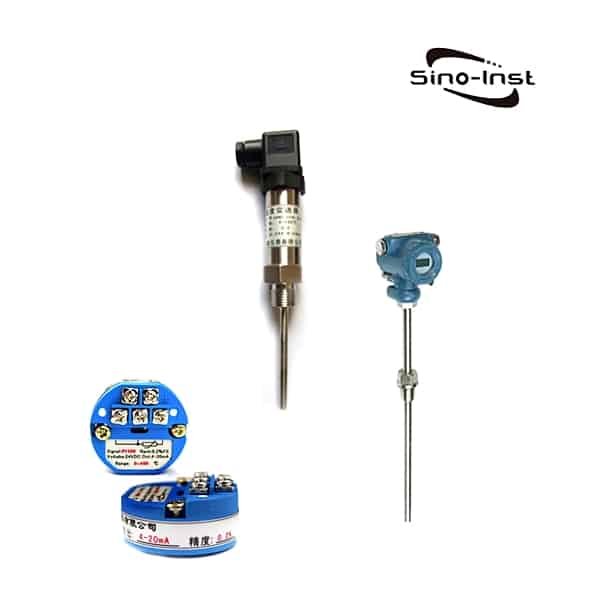
Temperature Transmitter
Head- or rail-mount transmitter that accepts RTD or thermocouple input and outputs 4–20 mA/HART for clean, long-distance signals.
Frequently asked questions
Which is more accurate, an RTD or a thermocouple?
An RTD. A Class A Pt100 is about ±0.15 °C at 0 °C with very low drift, while a base-metal thermocouple is typically ±1–2.2 °C or ±0.4–0.75% of reading and drifts more over time. For high-accuracy work below ~600 °C the RTD is the better choice.
When should I use a thermocouple instead of an RTD?
Use a thermocouple when the temperature exceeds about 600 °C, when you need the fastest response or the toughest sensor for shock and vibration, or when cost per point matters across many measurements.
What temperature range can each sensor measure?
Thermocouples cover roughly -250 to +1800 °C depending on type; RTDs are usually -200 to +600 °C, with some specials to +850 °C. Above ~600 °C the thermocouple is effectively the only option.
Why does an RTD need 3 or 4 wires?
Because the meter reads resistance, the resistance of the lead wires adds directly to the measurement. A 3- or 4-wire connection lets the instrument cancel that lead resistance; a 2-wire RTD includes cable resistance as an error.
Is an RTD or thermocouple more expensive?
Thermocouples are cheaper per point — often 2.5–3× lower installed cost — and use inexpensive extension wire. RTDs cost more up front but can have lower lifetime cost where their stability avoids re-calibration.
About this article
Written and technically reviewed by the Sino-Inst engineering team — last reviewed 2026-06-02 (AI-assisted drafting). Based on IEC 60751 (Pt100 RTD) and IEC 60584 (thermocouple) tolerance classes plus field selection experience across process plants. Questions? reach our application engineers.
Request a Quote


Wu Peng, born in 1980, is a highly respected and accomplished male engineer with extensive experience in the field of automation. With over 20 years of industry experience, Wu has made significant contributions to both academia and engineering projects.
Throughout his career, Wu Peng has participated in numerous national and international engineering projects. Some of his most notable projects include the development of an intelligent control system for oil refineries, the design of a cutting-edge distributed control system for petrochemical plants, and the optimization of control algorithms for natural gas pipelines.