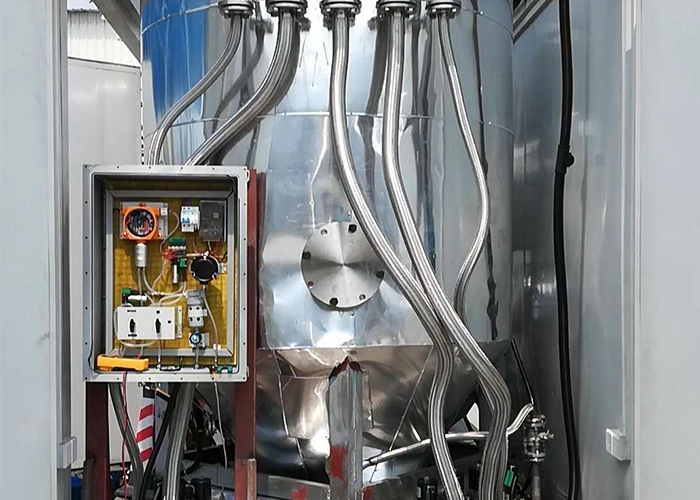
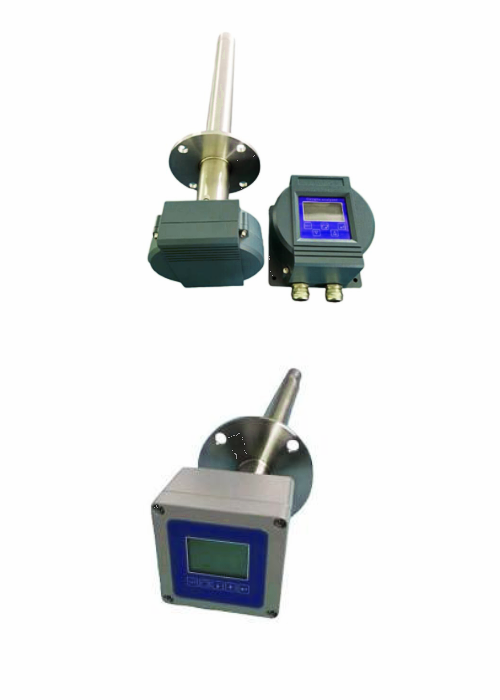
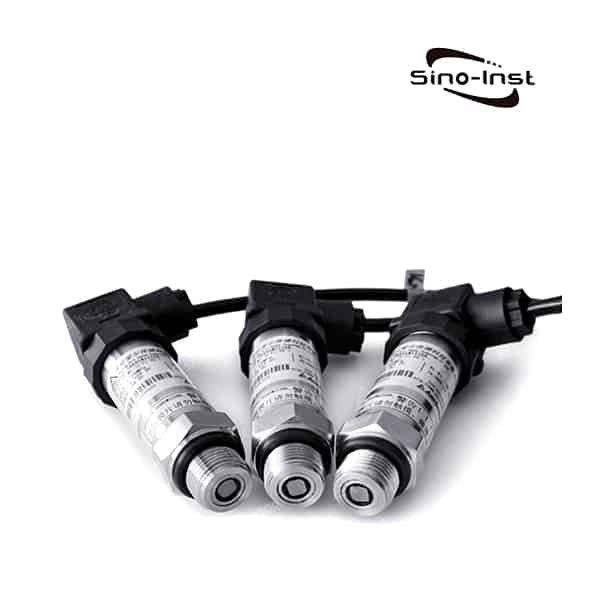
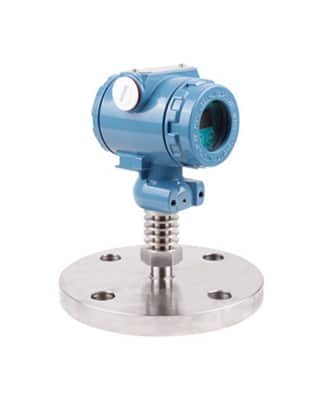
Integrated Zirconia Oxygen Analyzer

Zirconia Oxygen Analyzer is an analyzer used to monitor and control the oxygen concentration of flue gas in combustion gases, boilers and industrial furnaces. Widely used in industrial fields that require a lot of energy – such as steel plants, power plants, petroleum and petrochemical, ceramics, paper, food or textile industries, as well as various incinerators and medium/small boilers, etc. Zirconia Oxygen Analyzer helps save energy. It can also reduce CO2, SOx, and NOx emissions by controlling complete combustion. Contribute to the protection of the earth’s environment, prevention of global warming and air pollution.

Integrated Zirconia Oxygen Analyzer

Integrated Zirconia Oxygen Analyzer Features

  • Aluminum die-casting junction box, IP65 protection level, exquisite appearance.
  • The filter adopts a circular sheet shape, which reduces the direct erosion of flue gas and prolongs the service life.
  • At the same time, there is no need to consider the directionality.

Technical Specifications

DisplayLCD menu operation
Instrument accuracy1%
Temperature control accuracy±1℃
output4-20mA
power supply220V+10%
power<150W
Range0-25% (programmable)
Flue gas temperature0-700℃
Flue gas pressure-20KPa~+20KPa
Protection tube material316L stainless steel protection tube
SpecificationΦ45mm
Transmitter materialcast aluminum
degree of protectionIP65
flangeOuter diameter 155mm hole distance 130mm (other specifications are optional)
Furnace resistance valueStandard 60Ω (optional 80Ω, 120Ω, 160Ω)
service life15 years (according to actual working conditions)
Probe length500mm, 800mm, 1000mm, 1200m (other specifications can be customized)

Frequently Asked Questions

Zirconia oxygen analysis is a method of measuring the oxygen content in a gas sample. The technology is based on the fact that zirconium dioxide, or zirconia, is an oxygen ion conductor at high temperatures. When a voltage is applied across a zirconia cell, it drives oxygen ions from one side to the other, creating a current proportional to the oxygen concentration in the gas sample. This technology is widely used in a variety of industries, including combustion control systems, car emission controls, and environmental monitoring.

A zirconia oxygen analyzer usually operates at a high temperature, typically around 700 to 800 degrees Celsius. At these elevated temperatures, zirconia becomes a good conductor of oxygen ions. This high temperature is crucial for the operation of the device, as it facilitates the necessary electrochemical reactions that allow oxygen ions to move across the zirconia membrane, generating an electrical signal proportional to the concentration of oxygen.

The operation of a zirconia oxygen analyzer is based on the Nernst equation. This equation expresses the relationship between the voltage generated across a zirconia cell and the oxygen concentrations on each side of the cell. Here it is in its simplest form:

E = E0 + RT/4F * ln(pO2(1)/pO2(2))

Where:

E is the voltage across the cell,
E0 is the standard cell potential,
R is the gas constant,
T is the temperature in Kelvin,
F is Faraday’s constant,
pO2(1) and pO2(2) are the partial pressures of oxygen on the two sides of the cell.

Zirconia and titania O2 sensors both serve the same purpose of measuring oxygen levels, but they operate using different principles and have different characteristics:

Zirconia sensors rely on the Nernst effect, which creates a voltage difference proportional to the logarithm of the oxygen pressure difference across a zirconia cell. Zirconia sensors are excellent at providing accurate and reliable measurements and are commonly used in automobile exhaust systems and industrial applications.

Titania sensors, on the other hand, change their electrical resistance according to the concentration of oxygen. When exposed to a rich mixture (more fuel, less oxygen), the resistance of the titania sensor increases; when exposed to a lean mixture (less fuel, more oxygen), the resistance decreases. This type of sensor is simpler and more robust but provides less precise measurements compared to zirconia sensors.

Standard gas:

National secondary standard material, oxygen in nitrogen. Oxygen content is proportioned according to need. The general standard is 5.0%. Calibrate zirconia oxygen analyzers against known gas standards. Turn on the calibration gas, connect the calibration gas connection hose to the calibration gas inlet of the zirconia probe, and judge whether the zirconia oxygen analyzer is accurate according to the known oxygen content of the calibration gas.

Selection of Zirconia Oxygen Analyzer

1) The flue gas temperature at the recommended installation sampling point

Low temperature type is selected when the flue gas temperature is below 400°C;
When the flue gas temperature is below 700°C, select the warm type;
Choose the high temperature type when the temperature is above 700°C.
If the flue gas contains more corrosive gases, an aspirating oxygen analyzer with a sample gas pretreatment device should be selected.

2) Select the probe length

The total length of the probe refers to the length from the installation flange to the sampling port of the oxygen sensor. The actual total length of the probe should also add 150mm to the length of the junction box.

Probe length = mounting screw distance 100mm + furnace wall thickness + length inserted into the furnace or flue (generally around 400mm)

3) Instrument selection

Oxygen converters can be divided into disc meters and wall-mounted meters according to the installation form. The disc meters include disc vertical meters and disc horizontal meters. The installation position of the wall-mounted meter can be selected at a place close to the oxygen detector and convenient for debugging.

There are four options for the oxygen content of the full scale of the transmitter: 0~5%, 0~10%, 0~20.6% (factory default value), 0~25%, corresponding to the current output of 4~20mA.

More Gas Measurement Solutions

Introducing our Integrated Zirconia Oxygen Analyzer, a cutting-edge tool designed to measure oxygen levels accurately. This device utilizes zirconia’s unique properties to give precise readings in various environments, from car emissions control to environmental monitoring.

We, at Sino-Inst, are experienced manufacturers and suppliers in the field of Zirconia Oxygen Analyzers. We not only offer top-quality products but also provide customization to cater to your unique needs. With Sino-Inst, you get a reliable partner committed to your success.

Contact us today to discover how our Integrated Zirconia Oxygen Analyzer can enhance your operations.

Request a Quote

Please enable JavaScript in your browser to submit the form

Grain Bin Level Indicators: The Missing Piece in Your Grain Storage Solution

Grain Bin Level Indicators are transformative tools for modern agriculture. They give accurate, real-time measurements to prevent bins from being overfilled or underfilled.
Revolutionizing grain management, these devices facilitate accurate real-time grain bin measurements, mitigating the risk of overfilling or underfilling.
They’re the real game-changers in grain storage solutions. Perfect for maintaining optimal grain storage conditions, these indicators are truly the unsung heroes in grain storage solutions.

The Challenges of Grain Storage

Grain storage, especially in large-scale silos for processing, presents a number of challenges:

  • Maintaining Optimal Storage Conditions: This is crucial for preserving grain quality and preventing spoilage.
  • Monitoring Levels: Ensuring bins are neither overfilled nor underfilled is necessary to avoid waste and maintain operational efficiency.
  • Managing Large Quantities: Industrial silos often contain vast quantities of grain, making it difficult to monitor levels accurately.
  • Ensuring Safety: Overfilled or underfilled bins can lead to safety issues, like structural damage to the silos or poor grain circulation leading to spoilage.
  • Protecting Profits: All of these challenges, if not managed effectively, could lead to inefficiencies, increased costs, and reduced profits.

The Grain Bin Level Indicator offers a solution to these issues, helping to improve the grain storage and processing system.

Grain Bin Level Indicator: A Game-Changer in Grain Storage

The Grain Bin Level Indicator is a technological marvel in grain storage management. This device provides real-time level monitoring, sending alerts when the grain reaches a specified level. No more guesswork, no more wasting hours manually checking levels.

Not convinced yet? Let’s dig a little deeper into the workings and benefits of this amazing product.

Grain Bin Level Indicators, also known as level sensors, come in different varieties to suit various applications. Here’s an overview of some common types and their working principles:

These sensors work based on the principle of capacitance. They measure changes in an electrical field to determine the level of grain in the bin.

Rotary level indicators are mechanical devices that have a rotating paddle. When the paddle encounters resistance from the grain, it stops rotating. This stoppage triggers a signal that indicates the level of grain in the bin.

These sensors use sound waves to determine the level of grain. An ultrasonic pulse is emitted from the sensor, which then waits for the pulse to bounce back after hitting the surface of the grain. The time it takes for the pulse to return helps determine the level of grain in the bin.

Similar to ultrasonic sensors, radar level sensors also use wave technology. However, instead of sound waves, they utilize radio waves, which can be more accurate in certain conditions.

These sensors vibrate at a certain frequency when there’s no grain present. When grain reaches the level of the sensor and dampens its vibration, it sends a signal indicating the grain level.

Type of SensorWorking PrincipleAdvantagesLimitations
Capacitance Level SensorsMeasures changes in an electrical field to determine grain levelReliable and accurate, suited to a variety of grainsMay require calibration for different types of grain
Rotary Level IndicatorsUses a rotating paddle that, when obstructed by grain, stops and sends a level signalSimple and cost-effectiveMechanical parts may wear out over time
Ultrasonic Level SensorsUses sound waves; the time for a pulse to bounce back indicates the grain levelAccurate, no moving parts, suitable for large binsCan be affected by dust and other atmospheric conditions
Radar Level SensorsUses radio waves; like ultrasonic sensors, measures the time for a pulse to returnVery accurate, not as affected by atmospheric conditions as ultrasonic sensorsCan be more expensive than other options
Vibrating Rod Level SensorsVibrates at a certain frequency; when grain dampens the vibration, it sends a level signalReliable and accurate, simple to install and useMay not be suitable for extremely light or fluffy grains

It’s important to note that different types of grain bin level indicators are suited to different applications and types of grains. Choosing the right one depends on your specific needs and circumstances. For more details about these indicators, their advantages, and how they can be integrated into your grain storage system, feel free to contact our team at Sino-Inst.

Unveiling the Power of Grain Bin Level Indicators

To appreciate the power of grain bin level indicators, consider this: A study by Purdue University revealed that grain spoilage and mishandling account for over $2.5 billion in losses annually in the US alone. This is where grain bin level indicators can make a real difference.

By providing accurate, real-time level data, these devices can prevent overfilling, reduce spoilage, and ultimately increase profitability. Moreover, grain bin level indicators are versatile, easy to install, and can be integrated into existing storage management systems.

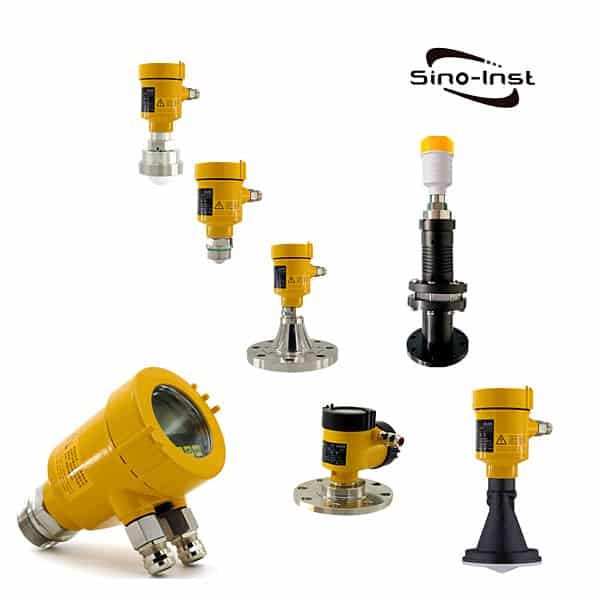
Remote Level monitoring

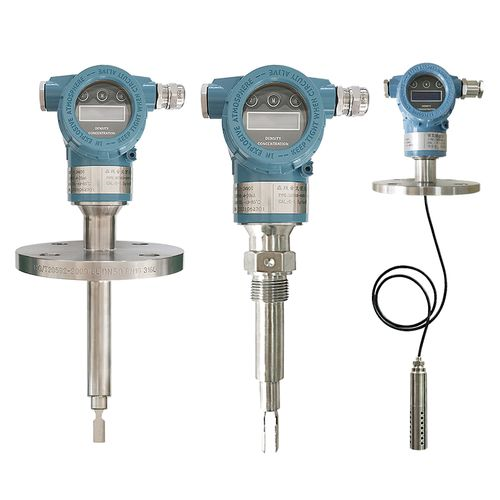
It is necessary to realize the remote transmission display of the granary material level. There are three possible ways.

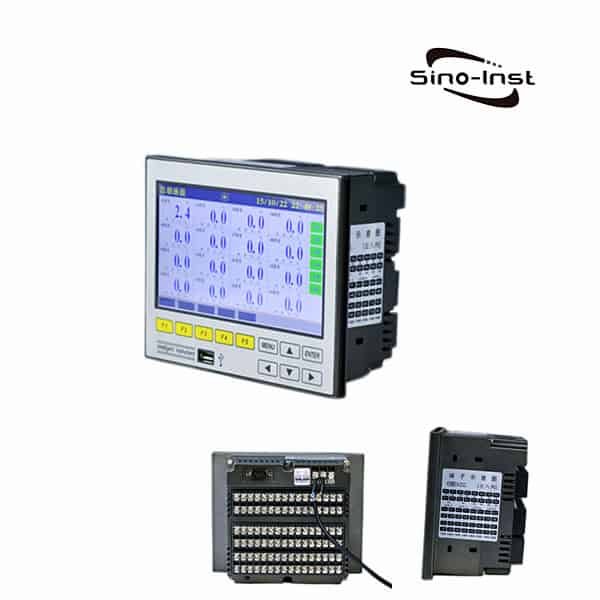
  1. Add a split monitor. General level meter as for a local display. But a monitor can be added if desired. Level meter mounted on top of tank with local display. A second display is mounted on the bottom of the tank. It is convenient for the staff to check the level and debug.
  2. Signal output. A general level meter can support 4-20mA or RS485 signal output. The output signal can be wired to the control room. Monitoring software for connection to PLC, DCS or user.
  3. Wireless IoT. With the addition of accessories such as a wireless gateway, the level meter can output the level signal through a wireless signal for a long distance. Such as GPRS, 4G, LoRA, etc.
FAQ

The Saf T fill grain bin level indicator is a popular model of level indicators designed for grain bins. It offers a simple, reliable way to prevent overfilling of grain bins.

Traditionally, grains in a grain bin are measured using a manual method known as ‘taping’. However, this method can be inaccurate and time-consuming. Modern methods include using devices like grain bin level indicators, which provide real-time, accurate measurements.

A bin level measuring system is a technology used to monitor and control the level of materials like grains in storage bins. These systems provide real-time data, helping to prevent overfilling or underfilling.

The number of bushels in a bin can be calculated using the bin’s diameter and height, and the type of grain stored. However, for more accurate measurements, devices like grain bin level indicators are recommended.

More Tank Level Measurement Solutions

In conclusion, grain bin level indicators are the missing piece in your grain storage solution. These devices, though small and simple, can revolutionize the way you manage your grain storage, saving you time, money, and unnecessary stress.

At Sino-Inst, we are a trusted manufacturer and supplier with years of experience in providing solutions to farming challenges. Our grain bin level indicators are customizable to suit your specific needs. Contact us today to discover how our products can transform your farming operations.

Request a Quote

Please enable JavaScript in your browser to submit the form

Gas Detection

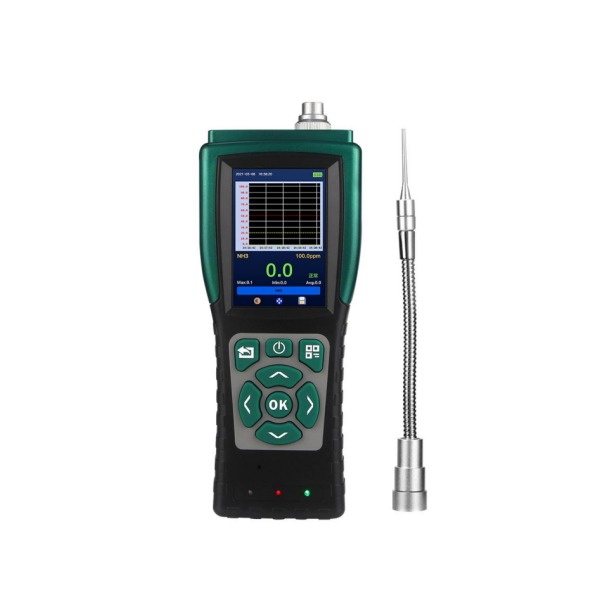
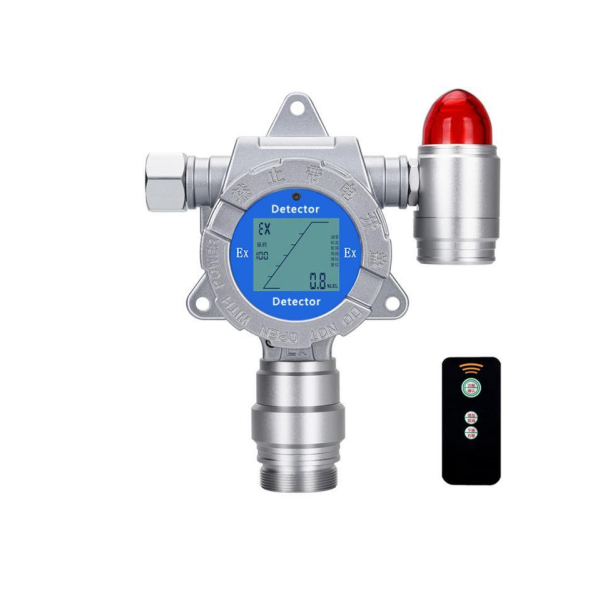
Explore our wide range of gas detectors designed for numerous applications. We offer devices to detect individual gases like oxygen, carbon monoxide, and more, ensuring safety and efficiency. Choose from portable to fixed detectors or even multi-gas variants for diverse needs. We also provide alarm systems and water quality detectors. Simplify your safety and compliance needs with our easy-to-use, reliable instruments.

Gas Detection Products

More Detection and Analysis Sloutions

Request a Quote

Please enable JavaScript in your browser to submit the form

Voltage Pressure Transducer Comparison

Imagine being in a world where pressure measurements are a hassle. You’re constantly struggling with inaccurate readings, device malfunctions, and complicated setup processes. Sounds exhausting, right? Now enter voltage pressure transducers. These little devices are the unsung heroes of the industrial world, transforming your pressure measurement process from a frustrating chore into a smooth, reliable operation. Let’s dive in and learn more about these game-changing tools.

What is a Voltage Pressure Transducer?

A voltage pressure transducer is an electromechanical device that converts pressure into an analog voltage signal. This signal can be easily read and analyzed, making pressure monitoring a breeze. But how does it all work? Let’s find out.

More detailed guide about pressure transducers here:

The Inner Workings of Voltage Pressure Transducers

At the heart of every voltage pressure transducer is a sensing element, often a strain gauge or a piezoresistive sensor. When pressure is applied, this element deforms slightly. This deformation alters the electrical resistance of the sensor, and this change is converted into a voltage signal proportional to the applied pressure.

Voltage pressure transducers come in a variety of types, each suited to specific applications. Some popular types include strain-gauge pressure transducers, piezoresistive pressure transducers, and capacitive pressure transducers.

Why Voltage Output Signals?

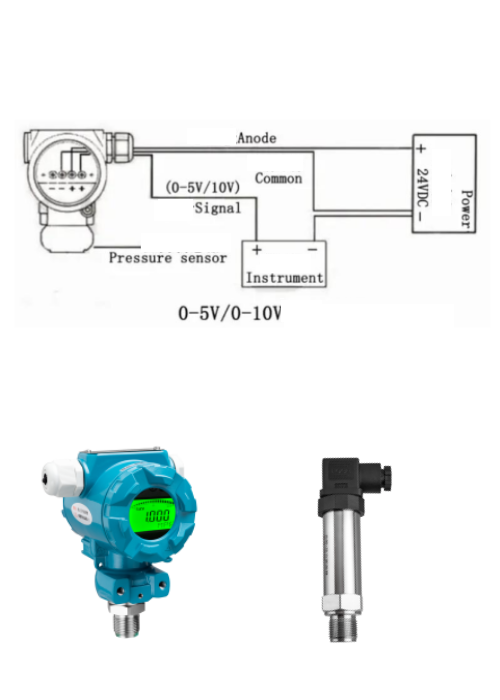
Pressure changes can trigger variations in a sensor’s electrical resistance. In voltage output transducers, these changes convert into a voltage signal that matches the shift in pressure. These voltage signals usually fall within 0-5Vdc or 0-10Vdc, although the range can vary depending on the transducer and its application.

Voltage output signals, common in pressure and temperature sensors, are a type of analog output signal. There are many output options to choose from in this category. The most frequently seen ones in industrial settings are 1-5VDC, 1-6VDC, and 0-10VDC, particularly when power usage isn’t a main concern.

In our growing world of IoT and IIoT, sensors can now run on low power while using less current. This is a big win for remote equipment where replacing batteries often can be expensive and time-consuming.

In response to the demand for low power, various voltage output choices now run on 3V, 3.3V, 3.7V, 5V, and 9V power supplies and batteries. Some common signal pairings with these supply voltages include millivolt, 0.5-2.5VDC non-ratiometric, and 0.5-4.5VDC ratiometric outputs. The 0.5-2.5VDC output option is becoming more popular due to increased usage of 3 to 5VDC lithium-ion batteries.

While millivolt signals are ratiometric, 0.5-4.5VDC output, ratiometric to a regulated 5VDC excitation, is more commonly associated with the term “ratiometric.” This type of signal has gained popularity in automotive and off-road applications because it is proportional to the supply. For instance, a 10% drop in supply from the 5V source would result in a 10% decrease in the output signal. This type of signal continues to be used in similar applications and has also found use in industrial applications like compressors and water pumps.

Voltage Output Wiring Configurations

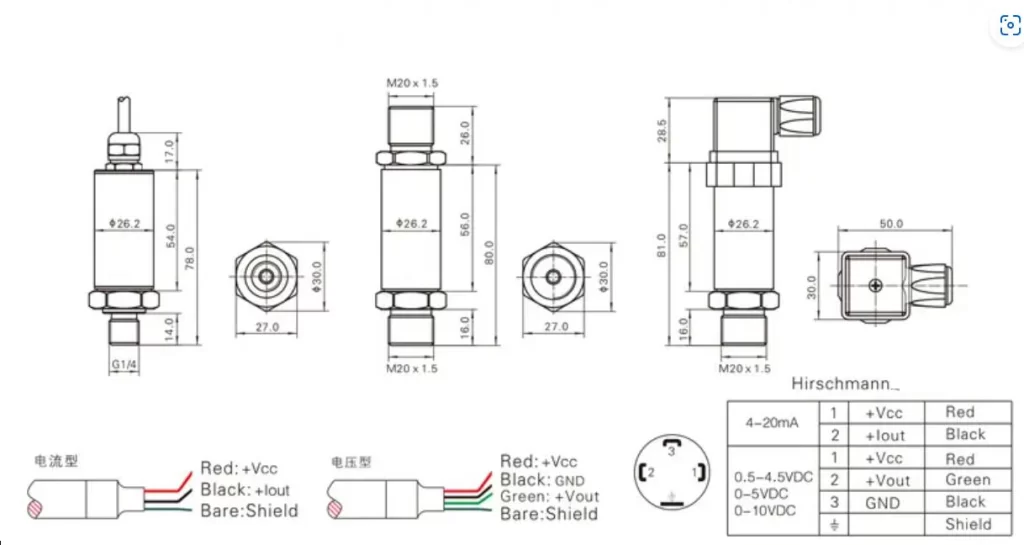
Voltage output pressure transducers typically come in two wiring configurations: three-wire and four-wire systems.

In a three-wire system, one wire is connected to the positive voltage supply, another to the output, and the third one to the ground. This setup is straightforward and commonly used.

The four-wire system, on the other hand, uses two wires for the supply voltage and two wires for the output. This configuration reduces errors due to voltage drop in the supply leads, providing more accurate readings, especially over longer distances.

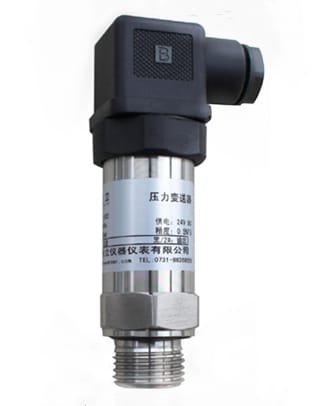
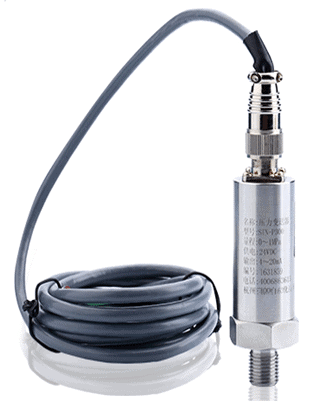
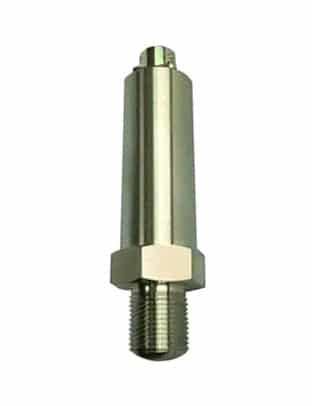
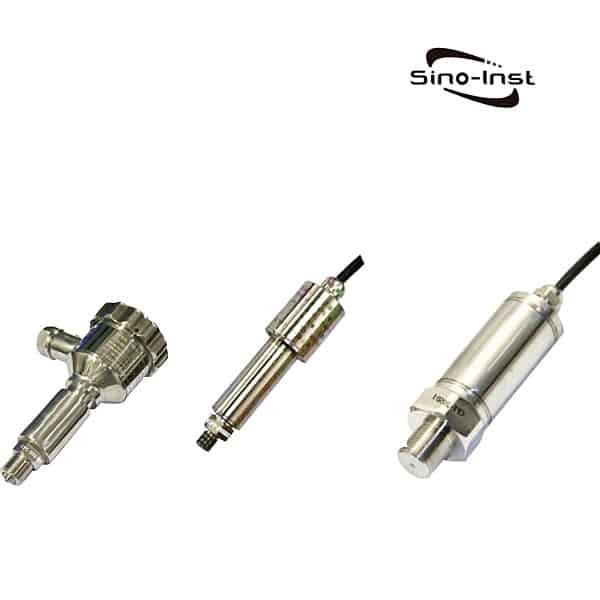
Our Top Voltage Pressure Transducer Picks

Applications of Voltage Output Pressure Transducers

  1. Tank Level Monitoring: Paired with a SCADA system, these sensors are ideal for remotely monitoring fuel or water levels, especially in locations where conserving battery life is essential.
  2. Oil Field Equipment: In far-flung oilfields, these sensors help conserve battery life while providing ample signal strength for measuring and transmitting data to telemetry units and then to the cloud.
  3. Industrial Internet of Things (IIoT): Factories are increasingly adopting IoT technology to measure pressure and temperatures of various equipment, particularly where installing power sources is costly or difficult.
  4. HVAC and Refrigeration: For HVAC/R installations, these affordable, user-friendly sensors swiftly provide pressure, temperature, and combined readings, making them popular for use in confined spaces like boiler rooms.
  5. Automotive Systems: In vehicles, these sensors are crucial for monitoring systems like brakes and fuel, delivering real-time data for optimal operation.
  6. Aerospace and Aviation: These sensors offer real-time measurements in critical monitoring areas such as cabin pressure, engine oil pressure, and hydraulic systems, ensuring safe and efficient flights.

FAQ

A voltage pressure transducer is a device that converts pressure into a voltage signal, enabling easy monitoring and control of pressure.

The input voltage of a pressure transducer, also known as the excitation voltage, typically ranges from 5 to 36 volts DC, but it varies by model. Always refer to the manufacturer’s specifications.

To check the voltage on a pressure transducer, you’ll need a digital multimeter. Attach the multimeter’s probes to the transducer’s output wires and apply pressure. The multimeter should display the corresponding voltage.

A 4-20mA pressure transducer is a type of pressure transducer that outputs a current signal instead of a voltage signal. The 4-20mA signal is less susceptible to electrical noise, making it ideal for long-distance signal transmission.

Voltage output signals in pressure transducers play a crucial role in pressure monitoring and control. Understanding the workings of these signals and their appropriate applications can help you choose the right transducer for your specific needs.

Remember, at Sino-Inst, we offer a variety of voltage pressure transducers tailored to your requirements. Our experienced team is ready to assist you in finding the best pressure measurement solutions. Reach out to us today!

Request a Quote

Please enable JavaScript in your browser to submit the form