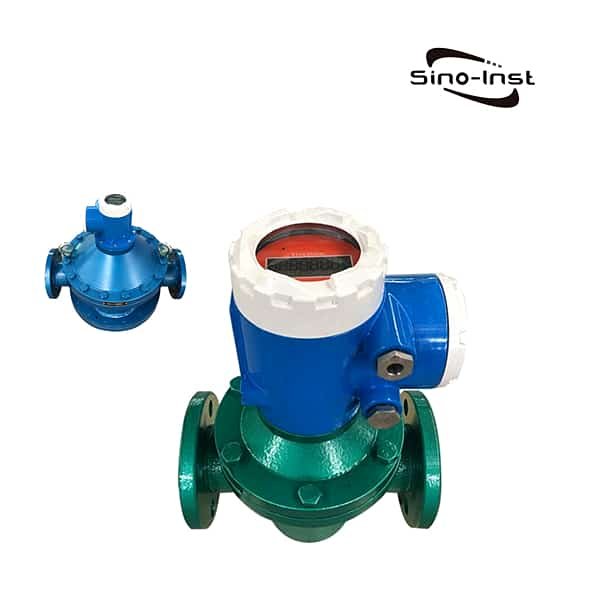
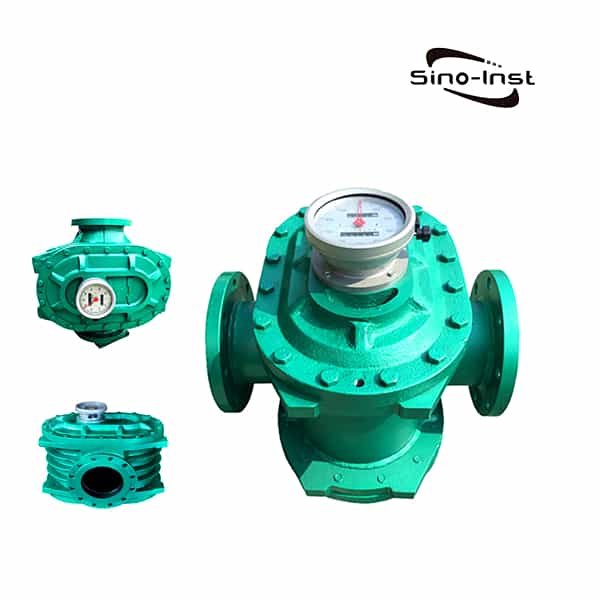
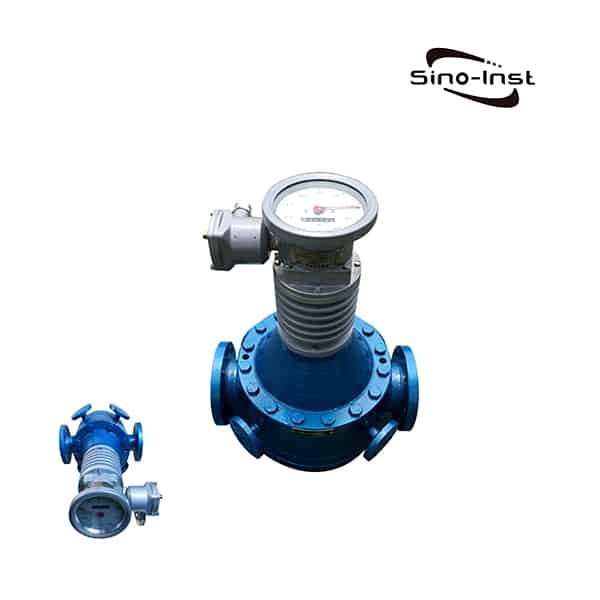
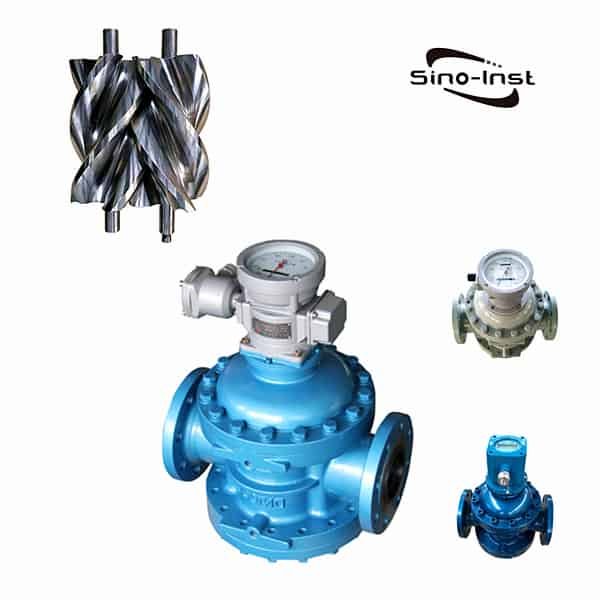
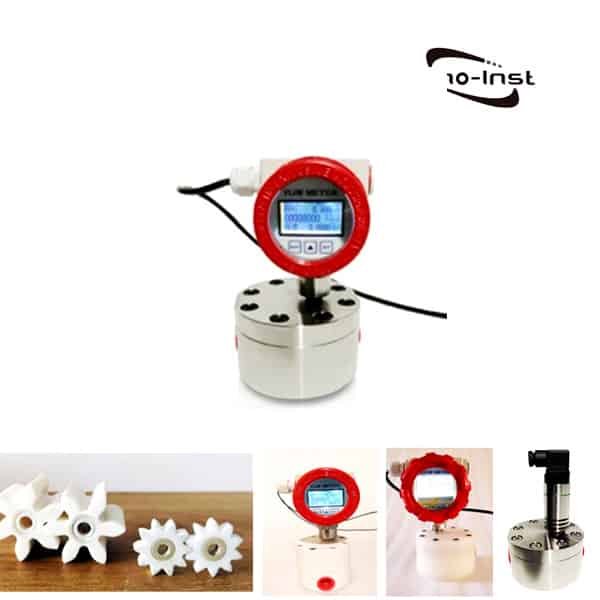
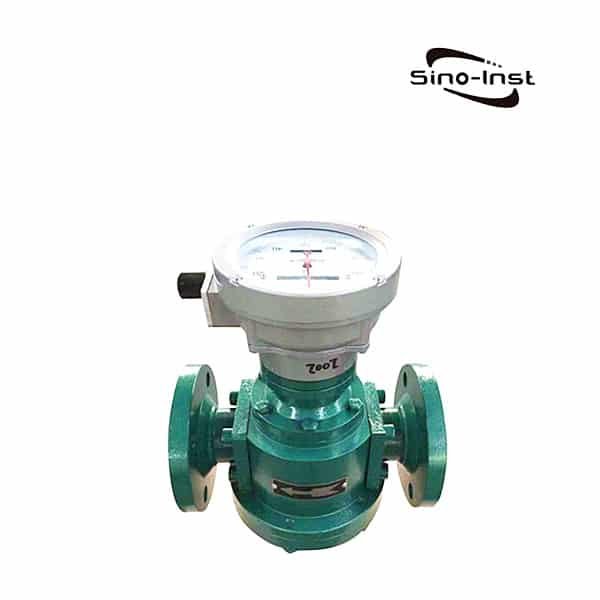
Pointer Type Oval Gear Flow Meter

Oval gear flow meter is one of the typical positive displacement flow meters. Measure the flow of liquid filling the pipeline under a certain pressure.

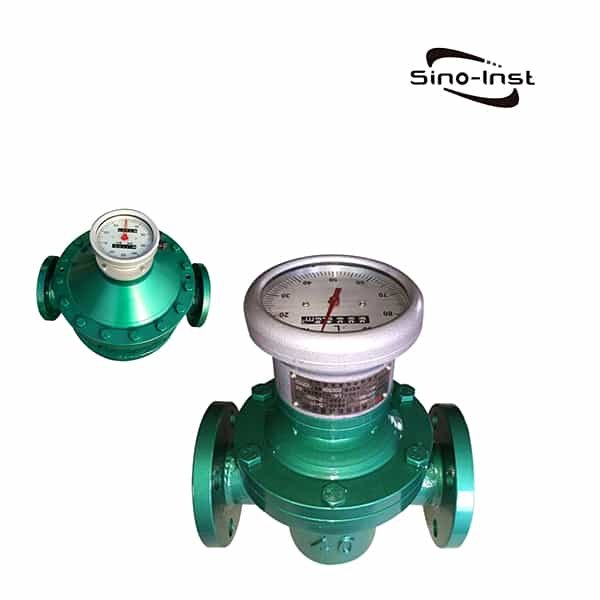
Pointer Type Oval Gear Flow Meter

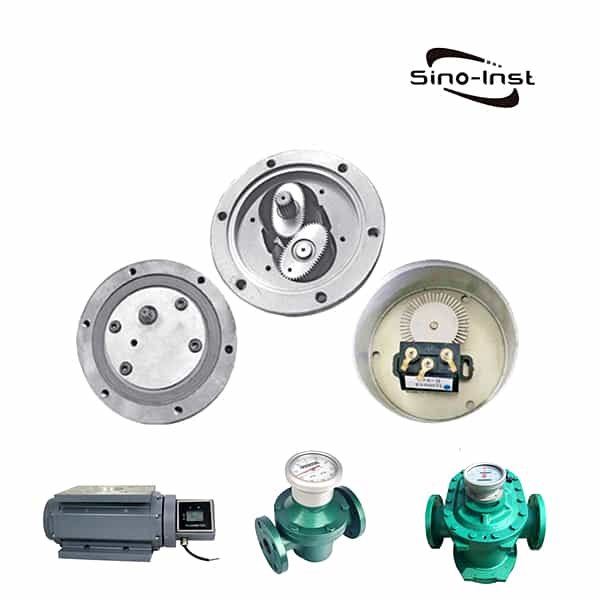
Oval gear flow meter is a pointer display type positive displacement flowmeter. The word wheel accumulates counting, and can be equipped with a zero return device. Oval gear flowmeters are widely used in liquid flow control in various industrial fields. Applicable to various types of liquid measurement, such as crude oil, diesel, gasoline, etc. Choose different manufacturing materials, such as crude oil, diesel, gasoline, etc. can be measured.

Sino-Inst offers a variety of Oval Gear Flow Meters for flow measurement. If you have any questions, please contact our sales engineers.

Features of Pointer Type Oval Gear Flow Meter

  • High measurement accuracy: 0.2 and 0.5;
  • The mechanism is simple, sturdy and reliable.
  • Particularly suitable for measuring medium with high viscosity
  • Easy to install. There is no need for straight pipe sections before and after the flowmeter, and there is no need to install straight pipe sections.
  • Cast iron oval gear flowmeter, widely used in various oil products and measurement of non-corrosive liquid medium for cast iron
  • Cast steel oval gear flow meter for measuring high pressure and low corrosive medium
  • Stainless steel oval gear flowmeter, widely used in corrosive liquid media, such as acid, alkali, salt
  • In order to prevent the gear of the flowmeter from being jammed by impurities, a filter must be installed upstream of the flowmeter.
  • Explosion-proof grade: ExiaIICT6

Specifications of Pointer Type Oval Gear Flow Meter

Diameter(mm)

Flange connection: cast iron, cast steel, SS304, SS316L 

DN10~DN200
More than DN200 can be customized

Threaded connection: cast iron, cast steel, stainless steel

DN10~DN50

Connection type

Flange (Default), thread and clamp(Need to customize)

Medium viscosity

0~200mPa.s(Normal type), 200~2000mPa.s(High-viscosity type), 2000~5000mPa.s(Need to customize)

Accuracy level

±0.5%R  (±0.2%R Need to customize)

Ratio of measuring range

1:5;1:10

Instrument material

Body: cast iron, cast steel, stainless steel            

Gear: cast iron, stainless steel

Flowmeter jacket

None(Default), flowmeter with jacket(Suitable to maintain the temperature of the medium, Need to customize)

Temperature level

Environment temperature:-20ºC~+60ºC; Relative humidity:5%~90%.
Medium temperature:-20ºC~+80ºC(Normal type); 
High-temperature LCD type:+100~150ºC (need to be customized)
High-temperature mechanical pointer type:+100ºC~+200ºC(need to be customized)

Pressure level

Cast iron:1.6MPa,  Cast steel and Stainless steel:1.6MPa(default), 2.5MPa,4.0MPa, 6.3MPa (Can be customized according to different diameter)

Working power supply

No power supply required(Mechanical pointer type, no signal output), External power supply: 12/24VDC ±15%,(suitable for 4~20mA; Pulse, RS485, LCD display)

Signal output

None, Pulse,4~20mA, RS485

Display 

Mechanical pointer display, LCD display, No display only pulse signal output

Electrical interface

Aviation plug

Protection level

IP65

Explosion-proof level

ExdIIBT4

NameModelThe material of the bodyGear materials
Cast IronLC-ACast ironCast iron
Cast SteelLC-ECast steelCast iron
Cast LightLC-QACast ironAluminum alloy
Cast iron high temperature typeLC-TACast ironCast iron
Cast steel high temperature typeLC-TECast steelCast iron
Cast steel high viscosity typeLC-NACast ironCast iron
Cast steel high viscosity typeLC-NECast steelCast iron
Stainless steelLC-BStainless steelStainless steel
Food stainless steelSPBStainless steelStainless steel
13 TypeLC-13Various materialsVarious materials

Extended reading: Stainless steel flow meters|304-316 optional

Oval Gear Flow Meter Flow Range

Nominal Diameter (mm) Flow   range(m3/h)
Viscosity
0.6~2mPa·s 2~8mPa·s 8~200mPa·s Chemical liquids
0.6-200mpa.s
10 0.08~0.4 0.04~0.4 0.08~0.4
15 0.3~1.5 0.15~1.5 0.3~1.5
20 0.75~3 0.4~3 0.3~3 0.6~3
25 1.5~6 0.8~6 0.6~6 1.2~6
40 3~15 2~15 1.5~15 2.4~12
50 4.8~24 3~24 2.4~24 3.8~19
65 8~40 5~40 4~40 8~30
80 12~60 8~60 6~60
100 20~100 13~100 10~100
150 38~190 25~190 19~190
200 68~340 45~340 34~340

Note: Diameter and flow flange of Oval meters for class0.5

Read more about: what is gpm;

Nominal Diameter (mm) Flow   range(m3/h)
Viscosity
0.3~0.8mPa·s 0.8~2mPa·s 2~8mPa·s 8~200mpa.s
10 0.2~0.4 0.15~1.5 0.1~0.5 0.08~0.5
15 0.75~1.5 0.65~1.5 0.3~1.5 0.25~1.5
20 1.5~3 1~3 0.6~3 0.5~3
25 3~6 2~6 1.2~6 1~6
40 7.5~15 5~15 3~15 2.5~15
50 12~24 8~24 4.8~24 4~24
65 20~40 15~40 8~40 6.5~40
80 30~60 20~60 12~60 10~60
100 50~100 34~100 20~100 16~100
150 95~190 64~190 38~190 32~190
200 170~340 180~340 68~340 56~340

Note: Diameter and flow flange of Oval meters for class0.2

Extended reading: Cylinder Gear flow meter for micro flow measurement.

Pointer Type Oval Gear Flow Meter Applications

LC series oval gear flowmeter is equipped with on-site pointer display and word wheel cumulative counting device, which can directly display the cumulative flow of liquid flowing through the pipeline. For different liquids (acid, alkali, salt, organic solution, etc.), the flowmeter can be made of different materials (cast iron, cast steel, stainless steel, etc.). It is suitable for flow measurement in industrial sectors such as petroleum, chemical industry, transportation, commerce, food, medicine and health.

  • The LC-A cast iron oval gear flowmeter is widely used in the measurement of various oil products and non-corrosive liquid media on cast iron.
  • The LC-E cast steel oval gear flowmeter is used for the measurement of high pressure and low corrosive media.
  • The LC-Q cast iron oval gear flowmeter, whose rotor is made of aluminum, is suitable for the measurement of low-viscosity, low-corrosion (such as gasoline, etc.) media.
  • The LC-B stainless steel oval gear flowmeter is widely used in the measurement of liquid media with strong corrosive liquids, such as acids, alkalis, salts and organic compounds.
  • The LC-L aluminum alloy oval gear flowmeter is a light super flowmeter, which is widely used in the measurement of low corrosive liquid media, such as water and other liquids.

Structure and working principle of Oval Gear Flow Meter

The oval gear flowmeter is composed of a metering box and a pair of elliptical gears installed in the metering box, and the upper and lower cover plates form a sealed crescent-shaped cavity (due to the rotation of the gear, it is not sealed) as the calculation unit of a displacement .

The flow meter is mainly composed of a housing, a counter, an elliptical gear, and a coupling (magnetic coupling and axial coupling), etc. As shown in the figure.

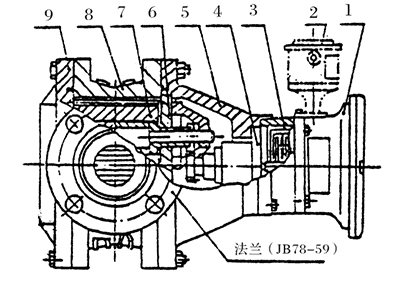
1.Counter 2. Transmitter

3. Accuracy adjuster (used above DN50)

4. Sealed coupling

5. Front cover 6. Cover plate

7. Oval gear 8. Shell

9. Rear cover

When the measured liquid enters the flowmeter through the pipeline, the pressure difference generated at the inlet and outlet pushes a pair of gears to continuously rotate, and the liquid measured by the crescent-shaped cavity is continuously transported to the outlet. The product of four times the secondary displacement is the total amount of the measured liquid flow.

The elliptical gear generates a torque to make it rotate under the action of the pressure difference △p of the measured medium.

The rotor 1 and the rotor 2 are alternately driven by one to rotate the other. There are two magnets on each rotor as signal generating elements. There is a magnetic signal detecting element at the center of the two axes at the bottom of the cavity. Whenever the magnet turns to the detecting element, the sensor counts as a pulse.

Each pulse corresponds to a certain amount of medium discharge F, F=XXml/p, so the volume flow Qm per unit time can be obtained: Qm=F*H, F is the amount of medium removed by each pulse; H pulse per unit time number.

Read more about Mass Flow Rate vs Volumetric Flow Rate

Oval gear flow meter price

Sino-Inst is a manufacturer of oval gear flow meters. We try our best to provide customers with high-quality flow meters.
The price of elliptical flowmeter is relatively moderate.
If you need a quote for oval gear flow meters. Please contact our sales engineer.
To confirm the price of elliptical flowmeter, the following information needs to be confirmed:

  1. Name, model, specification, material.
  2. Medium temperature, pressure, flow range.
  3. Medium viscosity or name
  4. Are there any special requirements, such as explosion-proof.

The following is the reference price of one of our oval gear flow meters:
LC-A100.2/Z
Cast iron material. DN100 national standard flange connection. Temperature: -20-80℃. Pressure: 1.6mpa. Measuring medium: diesel. Flow range: 15-100m3/h. Accuracy: 0.5%. The on-site pointer shows the cumulative flow, with zero return function. FOB price: USD 800-900.00

More Liquid Flow Meters:
FAQ

What is oval gear flow meter?

Oval gear flow meters (also known as displacement flow meters, gear flow meters) are a type of positive displacement flow meters, which are the most accurate type of flow meters.
The oval gear flowmeter uses a mechanical measuring element to continuously divide the fluid into a single known volume part, and measures the total flow volume according to the number of times that the metering chamber is filled and discharged with the volume part of the fluid successively and repeatedly.
The Oval gear flow meter is especially suitable for the flow measurement of heavy oil, polyvinyl alcohol, resin and other high viscosity media.

What are the different types of flow meters?

For different working principle, We offer different types of flow meters, like:
Differential Pressure Flow Meters
Orifice Plate
Venturi Tube
Flow Nozzles
The Sonic Nozzle – Critical (Choked) Flow Nozzle
Calorimetric Flowmeter
Ultrasonic Doppler Flowmeter
Positive Displacement Flowmeter

Variable Area Flowmeter or Rotameter
Velocity Flowmeters
Pitot Tubes
Electromagnetic Flowmeter
Turbine Flowmeter
Vortex Flow Meter
Thermal Flowmeter
Coriolis Flowmeter
Mass Flowmeters
Open Channel Flowmeters

You may like:

Sino-Inst, Manufacuturer for Oval Gear Flow Meters. For example: crude oil flowmeter, diesel flowmeter, gasoline flowmeter.

Sino-Inst’s Oval Gear Flow Meters, made in China, Having good Quality, With better price. Our flow measurement instruments are widely used in China, India, Pakistan, US, and other countries.

Volumetric Flow Meters

What is volumetric flow meter?

A volumetric flow meter is an instrument that can measure the volume of fluid passing through the measurement location within a set period of time.

A positive displacement flowmeter as a mechanical flow meter is a common type of Volumetric Flow Meter. It can measure the volume flow of high viscosity and corrosive fluids.

  • High measurement accuracy;
  • The installation pipeline conditions have no influence on the measurement accuracy;
  • Can be used for high-viscosity liquids;
  • Wide range;
  • The direct-reading meter can directly obtain the cumulative and total amount without external energy.
  • Clear and clear, easy to operate.

Sino-Inst offers a variety of Oval Gear Flow Meters for flow measurement. If you have any questions, please contact our sales engineers.

Featured Volumetric Flow Meters

Guess you like: What is Reynolds number?

The volumetric flow rate studies the volume of fluid passing through a specified cross-section per unit time. It is a measure of the 3-dimensional space occupied by the gas flowing through the instrument under the measured pressure and temperature conditions. The volume flow rate can also be referred to as the actual flow rate.

The volumetric flow rate is the ratio of fluid volume to time. The unit in the International System of Units is m³/h. The measured value can be obtained by a volumetric flow rate meter.

Therefore, a volumetric flow meter is an instrument that can directly or indirectly measure the volume of fluid passing through the measurement location within a set period of time.

Extended reading: Fuel Flow Meter for Boat-Selection & Application

Mass Flow Meters

Mass flow refers to the mass of fluid passing through the effective cross-section of a closed pipe or open groove in a unit time. Unit: kg/h, kg/s. Corresponding to volume flow (volume of fluid passing through unit time), it can be expressed as the product of volume flow and fluid density.

Extended reading: Gas mass flow controller working principle

The mass flow rate is defined as the mass of the fluid flowing through a unit cross-sectional area in a unit time, that is, the mass flow borne by the unit cross-sectional area. It is usually expressed by G, and the unit is Kg/(m2*s).

Calculation of mass flow rate: G=W/A,
Where W is the mass flow rate in kg/s;
A is the circulation area, the unit is m2.

Extended reading: Mass Flow Rate Units Converter

Comparing Mass Flow Rate to Volumetric Flow Rate

The mass flow rate is directly measured by a mass flow meter, without intermediate parameter conversion. Measure the number of molecules passing through the instrument, regardless of how much space these molecules occupy. Pressure and temperature have no effect on it.

The volumetric flow measures the three-dimensional space occupied by the gas flowing through the instrument under the pressure and temperature conditions to be measured. The volumetric flowmeter does not directly measure the volume but undergoes intermediate parameter conversion.

For example, the mass flow rate and volume flow rate of the gas. Gas is compressible, and when the pressure or temperature changes, the volume flow will change greatly.

Converter Tool: Volumetric Flow Rate & Pipe Diameter to Flow Speed Calculator

Mass Flow Meters

The mass flow meter directly measures the mass flow of the medium passing through the flow meter. It can also measure the density of the medium and indirectly measure the temperature of the medium.

Volumetric Flow Meters

A volumetric flow meter is an instrument that can directly or indirectly measure the volume of a substance passing through a specific location within a set period of time.

In fact, many volumetric flow meters measure the velocity of the flow instead of directly measuring the volume flow rate. By multiplying the flow rate by the cross-sectional area of the pipe or pipe where the volume flow meter is installed, that is, Q = v·A, the flow rate measurement value can be converted into a volume flow rate.

Vortex Flow Meters

Extended reading: Totalizing flow meter water

Types of Volumetric Flow Meters

Common Volumetric flow meters are as follows:

  • Positive displacement meters
  • Electromagnetic Flowmeter
  • Ultrasonic flowmeter
  • Turbine flow meters
  • Orifice plates
  • Venturis
  • Vortex meters
  • Pitot tubes
  • Rotometers etc.

Examples of Mass Flow Meters

Generally speaking, mass flow meters are mainly divided into:

Extended Reading: Collection of Industrial Insertion Flowmeter Type

Extended reading:
What is the K-factor in a flow meter?
Cryogenic Flow Meters|Liquid Nitrogen-Liquid Oxygen-LNG fluids

Volumetric flow meter working principle

The positive displacement flow meter is a flow meter that uses mechanical measuring elements to continuously divide the fluid into a single known volume, and repeatedly fill and discharge the volume of fluid to accumulate the total amount of fluid.

Volumetric flow measurement uses a fixed small volume to repeatedly measure the volume of fluid passing through the flowmeter.

Therefore, there must be a standard volume of space inside the positive displacement flowmeter, which is usually called the “metering space” or “metering chamber” of the positive displacement flowmeter.

This space is formed by the inner wall of the instrument case and the rotating parts of the flowmeter.

The working principle of a positive displacement flow meter is: fluid passing through the flow meter will produce a certain pressure difference between the inlet and outlet of the flow meter.

The rotating part of the flowmeter (referred to as the rotor) rotates under the action of this pressure difference, and discharges the fluid from the inlet to the outlet.

In this process, the fluid fills the “metering space” of the flowmeter again and again, and then is continuously sent to the outlet.

Under the conditions of a given flow meter, the volume of the metering space is determined. As long as the number of rotations of the rotor is measured, the cumulative value of the volume of fluid passing through the flow meter can be obtained. Flow rate of viscous fluids such as oils, condensate, resin and liquid food.

For the flow of high-viscosity media, other flowmeters are difficult to measure, but positive displacement flowmeters can accurately measure with an accuracy of ±0.2%.

Read more about: Large-diameter Oval Gear-Marine Fuel Flow Meter

Positive Displacement Flow meter Technology

What is volume flow rate?

Volume flow refers to the flow in which the quantity of fluid is expressed in volume. The volume flow is expressed by the formula: qv=V/t=u×A, in the formula: qv is the volume flow, m3/s; V is the unit flow volume, m3; t is the unit time, s; u is the average flow velocity in the pipe, m /s; A is the cross-sectional area of the pipe, m2.

Among the commonly used flowmeters, such as orifice plate, turbine flowmeter, vortex flowmeter, electromagnetic flowmeter, rotameter, ultrasonic flowmeter and oval gear flowmeter, the flow measurement value is the volume flow of the fluid.

What is mass flow rate?

Mass flow refers to the flow in which the quantity of fluid is expressed in terms of mass. The mass flow can be expressed by the formula: qm=m/t=ρ×u×A, in the formula qm is the mass flow, kg/s; m is the unit fluid mass, kg; ρ is the fluid density, kg/m3; t is the unit time , s; u is the average flow velocity in the pipe, m/s; A is the cross-sectional area of the pipe, m2.

Understanding the relationship between Pipe Diameter Vs Pressure Vs Flow may help you calculate mass or volume flow.

How to convert Mass Flow Rate & Volumetric Flow Rate

  1. If the mass flow of the flow is known and needs to be converted into volume flow, the following formula can be used: qv=qm/ρ. In the formula, qv is volume flow, m3/s. qm is mass flow, kg/s. ρ is fluid Density, kg/m3.
  2. If the volume flow rate of the fluid is known, it needs to be converted into a mass flow rate, which can be done with the formula: qm=qv×ρ.

We provide you with some calculation tools for Mass Flow Rate & Volumetric Flow Rate conversion:

DP Flow Meter Output CalculatorFlow Meter 4-20mA Current Output CalculatorFlow Velocity & Pipe Diameter to Volumetric Flow Rate Calculator
Mass Flow & Density to Volume Flow CalculatorMass Flow Rate Unit ConverterVolume Flow Rate Converter
Volume Flow & Density to Mass Flow CalculatorVolumetric Flow Rate & Pipe Diameter to Flow Speed Calculator

More: Mass Flow Rate vs Volumetric Flow Rate

More Featured Liquid and Gas Flow Meters

Frequently
Asked
Questions

Mass flowmeter is a direct measurement type, such as Coriolis (Coriolis) mass flowmeter, thermal flowmeter. In terms of electronic control, there are mainly phase difference type and dedicated line (membrane) type.

Volumetric flow meters are of the indirect measurement type. In terms of electronic control, there are mainly differential pressure type, Karman scroll type, electromagnetic induction type, volumetric type and so on. It is converted into mass flow through pressure sensor, temperature sensor, measuring pressure and temperature.

More about: Mass Flow Meter Types

Flow is the ratio of the amount of fluid in a cross-section of a pipe to the time it takes for that flow to pass through the cross-section. Flow is divided into volume flow and mass flow.

Volume flow refers to a unit when measuring flow, which refers to the volume of inflow (out, through) a certain liquid per unit time. For example: cubic meters per hour; liters per hour; cubic meters per minute, etc.

Volume flow calculation formula: Vs=3.14ud*d/4
In the formula: Vs volume flow rate, U flow rate, d pipe inner diameter.
Volume flow is the volume of flow through the flow cross section per unit time, referred to as flow, expressed by Q.

Read More: Pipe Diameter vs Pressure vs Flow

Extended Reading: How to Measure Volume of Liquid

If you let me answer this question. I would like to divide flow meters into two categories: mass flow meters and volumetric flow meters.

Of course, it can also be divided according to the measurement medium. There are two types of flow meters for measuring gas and measuring liquid.

Perhaps, we can also divide into closed pipeline measurement and open channel measurement according to the situation of the pipeline.

Finally, we may also be able to divide into contact and non-contact measurements according to the contact situation of the medium.

If the flowmeter is divided into 5 categories. Then the five commonly used flowmeters are:

  1. Electromagnetic flowmeter
  2. Differential pressure flowmeter
  3. Turbine flowmeter
  4. Ultrasonic flowmeter
  5. Volumetric flowmeter (PD)

Extended reading: non contact flow meter

Read more about: Flow Meter Selection Guide

Liquid and Gas Flow Measurement Solutions

  • Industrial Oxygen Flow Meters

    Oxygen Flow Meters are digital flow meters that can measure industrial oxygen. It is very important to choose a suitable flow meter to measure and…
  • Industrial CO2 flow meters

    CO2 flow meters are instruments that can measure the flow of gaseous or liquid carbon dioxide. CO2 is a common industrial gas, and effective measurement…
  • Industrial Fuel Flow Meters

    What is a fuel flow meter? The fuel flow meter is an instrument that can monitor fuel flow. Industrial Fuel is an important energy source…
  • Micro flow meters for low flow liquids

    Sino-Inst offers a variety of  Micro flow meters for flow measurement. If you have any questions, please contact our sales engineers. Featured Micro flow meters…
  • Clamp on Flow Meters for Liquid Pipes

    Clamp on flow meters refers to the non-contact flow meter, or strap-on flow meters, which clamps the ultrasonic sensor outside the pipeline for measurement. Sino-Inst…
  • Chemical Flow Meter Guide

    What is Chemical Flow Meter? Chemical Flow Meter is also known as chemical resistant flow meter. It is a flow meter used to measure common…
  • Cryogenic Flow Meters for Sale

    Cryogenic Flow Meters for Highly Accurate and Reliable Cryogenic Fluids Flow Measurement. Sino-Inst offers a variety of  Cryogenic Flow Meters for Cryogenic fluids flow measurement…
  • Sanitary Flow Meters for Sale

    Common sanitary flow meters are sanitary magnetic flow meters and sanitary turbine flow meters. Composed of 304/316 stainless steel. A Sanitary flowmeter with Tri-Clamp fittings…

Sino-Inst, Manufacuturer for Volumetric Flow Meters. For example: crude oil flowmeter, diesel flowmeter, gasoline flowmeter.

Sino-Inst’s Volumetric Flow Meters, made in China, Having good Quality, With better price. Our flow measurement instruments are widely used in China, India, Pakistan, US, and other countries.

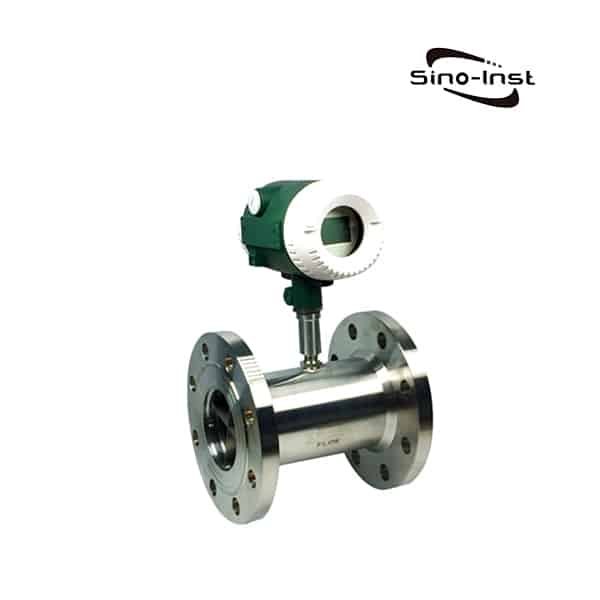
Low temperature Turbine Flowmeter-The Best Liquid Nitrogen Flow Meter

A liquid nitrogen flow meter is a commonly used cryogenic flow meter. The low-temperature turbine flowmeter is a dedicated liquid nitrogen flowmeter. It can also be used to measure cryogenic liquids such as liquid oxygen.

Liquid nitrogen refers to Liquid with extremely low temperatures. In industrial production, liquid nitrogen can be used as a deep refrigerant. The low-temperature turbine flowmeter is used as a liquid nitrogen flowmeter, which can work at a low temperature of -196°C (-320.8 °F). Liquid Nitrogen Flow Meter’s Turbine sensor structure at ultra-low temperature (-196℃) is made of special customized material. Realize the instantaneous and cumulative flow monitoring of liquid nitrogen.

Sino-Inst offers a variety of Turbine flow meters for flow measurement. If you have any questions, please contact our sales engineers.
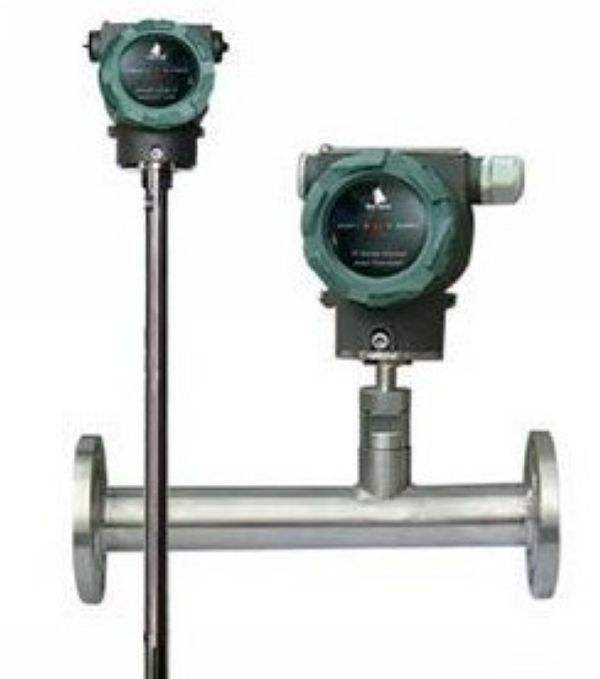
Features of Turbine type Liquid Nitrogen Flow Meter

  1. The sensor is a fully enclosed structure, so it is safe and reliable, and can be used for high-pressure pipeline measurement according to requirements;
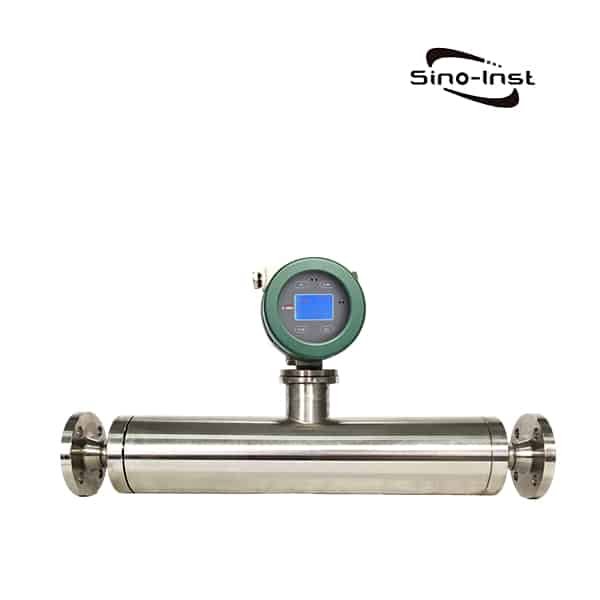
  2. The sensor material can be customized according to requirements, such as 304, 316 and all tetrafluoroethylene materials, suitable for various media, such as acid, alkali and other strong corrosive liquids;
  3. The sensor is a hard alloy bearing thrust type, which not only ensures accuracy, but also improves wear resistance.
  4. The sensor has been specially modified by our company, the structure is simple, firm and easy to disassemble;
  5. Wide measuring range and low lower limit flow rate;
  6. Measurement accuracy 0.2, 0.5, 1.0 can be selected as required;
  7. Our company’s caliber breaks through the convention, from 0.5mm, 1mm, 2mm, etc. to super large diameter insert type can be customized;
  8. When the anticorrosive PTFE material is constructed, the PTFE materials are all imported from Japan, which is safe and reliable;
  9. Ultra-high pressure type sensor adopts high thickness sealed sensor, matching high pressure flange or installation accessories;
  10. At ultra-low temperature (-196℃), the sensor structure is made of special custom-made imported materials, supporting low temperature resistant amplifier;
  11. The comprehensive pressure loss is small, the repeatability is good, and the accuracy is high.
  12. It has high resistance to electromagnetic interference and vibration.
  13. Various displays, battery-powered on-site display, external power supply display, and various signal outputs are all configured;
  14. The supporting explosion-proof meter is suitable for the use of explosion-proof products;
  15. Various installation methods are available: thread, flange, quick installation, direct welding, etc.;
  16. It can be used with flow totalizer to complete remote display;
  17. It can be combined with control instruments and control systems to form automatic quantitative conveying and feeding equipment;

Know more about: Turbine type Flow Meter

Specifications of Turbine type Liquid Nitrogen Flow Meter

  1. Nominal diameter:
    Common type (0.5~300) mm;
    Anti-corrosion type (6~100) mm
    Insertion type (80~600)mm
  2. Medium temperature:
    Ordinary type (-20~80)℃
    High temperature type (-20~120)℃
    Ultra-low temperature type (-196~80)℃
  3. Ambient temperature: (-20~55)℃;
  4. Accuracy: ±0.2%, ±0.5%, ±1%;
  5. Detector signal transmission line system: three-wire voltage pulse (three-core shielded cable);
  6. Power supply: voltage: 12V±0.144V, current: ≤10mA;
  7. Output voltage amplitude: high level ≥ 8V, low level ≤ 0.8V;
  8. Transmission distance: The distance between the sensor and the indicator can reach 250 meters;
  9. On-site display power supply: 3V (powered by lithium battery, can be used continuously for 3 years);
  10. Display mode: on-site LCD display instantaneous flow and accumulated flow;
  11. On-site display power supply with signal output: 24V; 4-20mA two-wire current output, remote transmission distance of 500 meters.

Extended reading: Turbine Flow meter Vs Gear Flow meter

The flow range and pressure are shown in the figure, and the flow unit is m3/h (for anti-corrosion or plug-in type, please inquire)

Dn
(mm)
Flow Range Nominal pressure
PN
(Mpa)
Maximum pressure loss(Mpa
Basic error limit
±0.2%
Basic error limit
0.50%
Basic error limit
1.00%
Lower limit Upper limit Lower limit Upper limit Lower limit Upper limit
0.5 0.004 0.012 1.6 or 4 0.15
1 0.007 0.021
2* 0.01 0.13
3* 0.04 0.25 0.12
4* 0.04 0.25 4
6.3
16*
25*
35*(Note 1)
6 0.1 0.6 0.1 0.6 0.08
10 0.25 1.2 0.2 1.2
12 0.8 2.5 0.4 2.5 0.25 2.5
15 1.2 4 0.6 4 0.4 4
20 1.5 7 1.1 7 0.7 7
25 2 10 1.6 10 1 10 0.04
32 3.2 16 2.5 16 1.6 16
40 4 20 3 20 2.5 25 4 or 10
50 8 40 4 40 4 40
65 12 60 6 60 6 60 1.6 or 2.5
80 20 100 10 100 10 100
100 25 160 20 160 16 160
150 50 300 40 300 40 400
200 120 600 100 600 80 800 1.6 or 2.5 or 4
250* 200 1000 160 1000 120 1200
300* 250 1600 180 1800

Note 1: There is no 35MPa for diameter 32mm
Note 2: “*” is a special order.

The nominal diameter is 0.5mm, the flow range is 0.02~0.06 m³/h, the basic error: ±1% of reading, when ≤0.02 m³/h, the basic error: ±1%FS. The flow range with a nominal diameter of 1mm is 0.03~0.100 m³/h, the basic error: ±1% of reading, when ≤0.03 m³/h, the basic error: ±1%FS.

When the nominal diameter is 2mm and the flow range is 0.040~0.13m3/h, the basic error: ±1% of reading; when ≤0.040m3/h, the basic error: ±1%FS (full-scale value).

When the nominal diameter is 3mm and the flow range is 0.085~0.250m3/h, the basic error: ±1% of reading; ≤0.085m3/h basic error: ±1%FS (full-scale value).

The flow range shown in the table is a conventional value. If necessary, it can be appropriately extended according to user requirements. The minimum flow rate can be extended to about 0.3m/s, and some specifications can be lower. The accuracy in the extended area is based on the full-scale value. The relative error is expressed.

  • Measuring medium: liquid (avoid multiphase flow)
  • Medium viscosity range: ≤5mPɑ·S
  • Calibration: Calibration with water before leaving the factory

Extended reading: Cryogenic Flow Meters | Liquid Nitrogen-Liquid Oxygen

Application of Liquid Nitrogen Flow Meter

  • Quickly freeze and transport food, or make ice products;
  • Conduct research on low temperature physics;
  • In the electronics industry, dry nitrogen is used to purge silicon wafers to keep the silicon wafers dry and clean. In the large-scale integrated circuit production process, high-purity nitrogen can be used as the carrier gas, inert protective gas and packaging gas for chemical reaction gas.
  • Liquid nitrogen is used for metal over-fitting or static-fitting assembly to avoid high temperature oxidation and maintain the surface finish of the parts. Parts soaked in liquid nitrogen can prolong the wear life after processing. Liquid nitrogen cooling during metal cutting has the advantages of long life and high surface finish.
  • Nitrogen is mainly used as shielding gas and purge gas in metallurgical industry. In the process of steel rolling and metal heat treatment, due to the preservation of nitrogen, the high temperature oxidation of the metal is reduced and the surface is smooth and clean. Filling the non-ferrous metal smelting furnace with nitrogen can reduce oxygen content and temperature, reduce oxidation, and improve product purity. Purge the molten steel with nitrogen to reduce the hydrogen content in the steel and increase the strength of the product. When the blast furnace is started, 86% of nitrogen is blown in, which can reduce coke consumption and extend the service life.
  • Used for chemical testing, such as BET specific surface area test method.

If you need to measure not liquefied nitrogen and liquefied oxygen, but gas nitrogen and oxygen. You can refer to:

Industrial oxygen flow meters Nitrogen flow measurement

Turbine type Liquid Nitrogen Flow Meter installation guide

  1. Before installation and use, clean or keep the tested liquid free of impurities, fibers and particles.
  2. Before using the sensor, fill the sensor slowly with liquid. Then open the outlet valve (the valve should be installed at the back of the flowmeter). It is strictly forbidden for the sensor to be impacted by high-speed fluid when it is in a liquid-free state.
  3. Especially newly installed pipelines should be cleaned before installation. Install the sensor again.
  4. The sensor should be cleaned regularly if possible. During maintenance and cleaning, please be careful not to damage the parts in the measuring chamber, especially the impeller. When assembling, please pay attention to the position relationship between the guide and the impeller.
  5. When the sensor is not in use, clean the internal liquid. After drying, add protective sleeves on both ends of the sensor to prevent dirt from entering. Then store in a dry place. (This item is very important)
  6. The equipped filter should be cleaned regularly. Clean the internal liquid when not in use. Just like the sensor, add a dust cover and store it in a dry place.
  7. The transmission cable of the sensor can be laid overhead or buried (the iron pipe should be covered when buried.)
  8. It is also very important to choose the installation point. It is recommended to install it on a horizontal pipe and pay attention to the direction of the fluid.
  9. Ensure a certain straight pipeline before and after the installation point, away from pumps, frequency conversion or high-voltage equipment.
  10. Before the sensor is installed, connect the line with the display instrument or the oscilloscope, turn on the power, and blow the impeller by mouth or hand to make it rotate quickly to observe whether there is display. Install the sensor when there is a display. If there is no display, check the relevant parts and troubleshoot.

Read more about Liquid Flow Meters Guide

Nitrogen Gas Flowmeters-Liquid Nitrogen Flowmeters

Gear flow meter for low liquid nitrogen flow measurement

The Gear flow meter is a micro digital positive displacement flow meter. Can measure very small flow rates and quantify small volumes of liquid. High and low-temperature resistance (-196℃-200℃).

The Gear flow meter for Microflow is made of stainless steel and is used for precise continuous or intermittent measurement of the flow or instantaneous flow of liquid. It is especially suitable for the flow measurement of heavy oil, polyvinyl alcohol, grease, and other high-viscosity media. It can measure the viscosity of Fluid up to 10000Pa.s.

Extended reading: liquid nitrogen level measurement

Nitrogen Gas flow meter

Cryogenic turbine flow meters and Gear flow meters are both used to measure cryogenic liquid nitrogen flow meters.
However, if you want to measure nitrogen, what flow meter should you use?

There are four mainstream measuring instruments:

  1. Thermal gas mass flow meter. Directly measure the mass flow of common gases, including nitrogen.
  2. Coriolis mass flowmeter. Directly measure the mass flow of gas and liquid. It can be used to measure nitrogen, which is more expensive.
  3. The vortex flowmeter directly measures the volume flow of gas and liquid. It is necessary to add temperature and pressure measuring sensors and totalizers to calculate the mass flow.
  4. Orifice flowmeter. The orifice is used as a throttling element and is equipped with a differential pressure transmitter to calculate the volume flow. To convert into a mass flow, temperature, pressure sensors and totalizers must also be added.

Compared with the above, the thermal gas mass flowmeter is recommended, which is moderately priced, simple to install and maintain, and accurate.

Further reading: Nitrogen(N2) Flow Meter Types

Extended reading: 5 matters to pay attention to when choosing threaded Vortex Nitrogen Gas Flow Meter

Other Featured Cryogenic Flow Measurement Solutions

Extended reading:
What is the K-factor in a flow meter?
Cryogenic Flow Meters|Liquid Nitrogen-Liquid Oxygen-LNG fluids

FAQ

What is nitrogen flow?

The volume unit of the measurement gas is NM3, the standard square.
Strictly speaking, it should be a volume unit, not a flow unit. Sometimes it means m3/h to be practical.
The volume flow rate of gas is measured in m3/h. Because the gas volume is related to temperature, pressure, and humidity, in order to facilitate comparison, the volume flow rate usually refers to the standard state (temperature is 20℃, pressure is 0.11MPa, relative humidity is 65%). The flow rate at this time is Nm3/h is the unit, “N” means the standard state.
Sometimes abbreviated as irregular h-1 liquid flow unit is different in different countries and regions.
Mass units commonly used internationally: milligrams, grams, kilograms, metric tons, ounces, pounds, and shale;
Volume units: milliliters, liters, cubic millimeters, cubic centimeters, cubic meters, cubic inches, cubic feet, gallons (English), gallons (US), pints (English), dry pints (US), liquid pints (US), fluid ounce (US), fluid ounce (English), barrel, etc.
The nitrogen flow unit is Nm³/h, commonly known as cubic per hour. The preceding N indicates that when there is pressure, the general flowmeter is marked like this.
Hope it helps you!

How does a liquid flow meter work?

The liquid flow meter can be divided into the following categories according to the measurement principle:
Mechanics principles: instruments that fall into this category include differential pressure type and rotor type using Bernoulli’s theorem; impulse type and movable tube type using momentum theorem; direct mass type using Newton’s second law; using fluid momentum principle Target type; turbine type using the angular momentum theorem; vortex type and vortex type using the principle of fluid oscillation; pitot tube type using total static pressure difference, volume type, weir, trough type, etc.
Electrical principle: The instruments used for this kind of principle include electromagnetic, differential capacitive, inductive, strain resistance, etc.
Acoustic principle: There is an ultrasonic method for flow measurement using the acoustic principle. Acoustic (shock wave) etc. Thermal principle: There are calorimetric, direct calorimetry, indirect calorimetry, etc. that use the thermal principle to measure flow. Optical principle: laser type, photoelectric type, etc. are instruments of this type of principle. Principles of atomic physics: nuclear magnetic resonance, nuclear radiation, etc. are instruments that belong to this type of principle. Other principles: There are marking principles (tracing principles, nuclear magnetic resonance principles), related principles, etc.
More about: Liquid Flow Meters Guide

What is a totalizer in a flow meter?

Most of the flow meters have the function of cumulative flow calculation. The component that realizes this function is the totalizer of the flowmeter. If the flowmeter itself does not have a cumulative flow calculation function. Then, we can configure a separate flow totalizer for flow accumulation calculation.
Extended reading: Turbine Insertion Flow Meter for Large Diameter Pipeline

You nay like:

Sino-Inst, Manufacturer for Liquid Nitrogen Flow Meters. A wide variety of liquid nitrogen flowmeter options are available to you. 

Sino-Inst’s Liquid Nitrogen Flow Meters, made in China, Having good Quality, With better price. Our flow measurement instruments are widely used in China, India, Pakistan, US, and other countries.

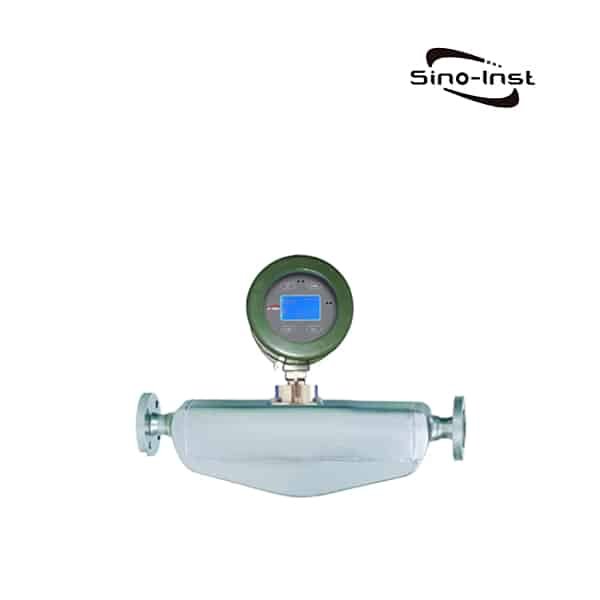
V-series Curved Digital Mass Flow Meter

Digital Mass Flow Meter is a micro-bend Coriolis mass flow meter, a general measurement principle for liquids and gases.

Digital Mass Flow Meter can be divided into elbow type and straight pipe type according to different measuring tube shapes. Among them, U-shaped and slightly curved types are the most widely used. The elbow types are divided into U-shaped, slightly curved, △, Ω, water drop, fly swatter, etc., and U-shaped and slightly curved The most extensive. V-series Curved Digital Mass Flow Meter simultaneously measures mass flow, density, temperature and viscosity.

Features of V-series Curved Digital Mass Flow Meter

  • General measuring principle for liquids and gases
  • Multivariable measurement: simultaneous measurement of mass flow, density, temperature and viscosity
  • High measurement accuracy: typical value is ±0.2% o.r.; optional: ±0.1%
  • The measurement principle is completely unaffected by the physical properties of the fluid and the flow field
  • No front/rear straight pipe length requirements
  • Wide measuring range: 1:10, 1:20
  • The sensor has self-flow performance, easy to drain and easy to clean
  • Optimized overall structure reduces pressure loss
  • The installation space is reduced and is not affected by installation conditions and process engineering
  • High measurement accuracy and good stability
  • No elbow parts, low wear and long working life
  • High working frequency, adapt to harsh working conditions

Specifications of V-series Curved Digital Mass Flow Meter

Working temperature of measured medium -200℃~350℃,Standard form:-50~200℃Low temperature type:-200~200℃
  Measurement display unit mass flow:g/h,kg/h,t/h,g/m,kg/m,t/m
 Volume flow:cm³/h,d m³/h,m³/h,cm³/m,d m³/m,m³/m
Density:kg/m³ or g/cm³,temperature:℃,K,℉
 ambient temperature -40~60℃
 Texture of materialMeasuring tube:316L ,Shell:304 
 Accuracy of liquid flow measurement 0.1%,0.15%,0.2%
 Measurement range of liquid density 0.3~3.000g/cm³,measurement accuracy±0.002g/cm³
 Temperature measurement range -200~350℃ ,measurement accuracy:±1℃
 communication RS485,MODBUS  Agreement
 output signal 0~10000Hz Pulse signal, flow signal,collector open circuit signal,
4~20mADCCurrent, Flow and Density Output Signals
 Power supply 18~36VDC Power supply:7W(basic)85~265VACPower supply:10W(additional)

Pros and cons of Coriolis Digital Mass Flow Meter

Advantages

  • The Coriolis mass flow meter directly measures the mass flow rate with high measurement accuracy.
  • It can measure a wide range of fluids, including high-viscosity liquids, slurries containing solids, liquids containing trace gases, and medium and high-pressure gases with sufficient density.
  • The measuring tube has a small vibration amplitude and can be regarded as a non-moving part, and there are no obstructions and moving parts in the measuring pipe.
  • It is not sensitive to the flow velocity distribution of the upflow, so there is no requirement for upstream and downstream straight pipes.
  • The measured value is not sensitive to the fluid viscosity, and the change of fluid density has little effect on the measured value.
  • Multi-parameter measurement can be done, such as measuring density at the same time, and deriving the concentration of solute in the measurement solution from this.

Read more about: The Pros and Cons of Micro Motion Flow Transmitters

Disadvantage

  • Coriolis mass flow meters cannot be used to measure low-density media and low-pressure gases. The gas content in the liquid exceeds a certain limit (varies by model) will significantly affect the measured value.
  • Coriolis mass flowmeters are more sensitive to external vibration interference. In order to prevent the impact of pipeline vibration, most models of Coriolis mass flowmeters require high installation and fixation of flow sensors.
  • Cannot be used for larger pipe diameters, currently limited to less than 200mm.
  • The inner wall of the measuring tube is worn, corroded, or deposited and scaled, which will affect the measurement accuracy, especially for the Coriolis mass flowmeter of the thin-walled tube.
  • The pressure loss is relatively large, which is equivalent to that of volumetric meters. Some Coriolis mass flowmeters are even 100% larger than volumetric meters.
  • Most models of Coriolis mass flow meters are relatively large in weight and volume.
  • expensive. The foreign price is 5,000 to 10,000 US dollars for a set, which is about 2 to 5 times that of the electromagnetic flowmeter of the same caliber. The domestic price is about 2 to 8 times that of the electromagnetic flowmeter.

Extended reading: U-series Liquid Mass Flow Meter | Liquid-slurry flow measure

Thermal mass flow meter

Thermal mass flow meters (TMF for short) are used to weigh thermal flow meters in China. It is to measure the mass flow of fluid by using the temperature field change generated when the fluid flows through the pipe heated by the external heat source. Or a flow meter that uses the relationship between the energy required to increase the temperature of the fluid to a certain value and the mass of the fluid when the fluid is heated to measure the mass flow of the fluid.
Generally used to measure the mass flow of gas. Has low pressure loss. The flow range is large. High precision, high repeatability and high reliability. There are no moving parts and it can be used for extremely low gas flow monitoring and control.

You may like:

Read more about: Coriolis meter for High viscosity liquid

Sino-Inst offer over 10 Digital Mass Flow Meters, with Best Price.

A wide variety of Curved Digital Mass Flow Meters options are available to you, such as free samples, paid samples. All of our flow meters can wokrk with the AMS NEW TREX. About 13% of these are magnetic flow meter. 14% are Insertion Magnetic Flow Meter. 25% are Venturi flow meter. 13% are Handheld ultrasonic flow meter, and others are Liquid Turbine Flow Meters.

Sino-Inst is V-series Curved Digital Mass Flow Meter suppliers, located in China. Mass flow meter products are most popular in North America, Mid East, and Eastern Europe.

The United States, and India, which export 99%, 1%, and 1% of V-series Curved Digital Mass Flow Meter respectively.

You can ensure product safety by selecting from a certified supplier, with ISO9001, ISO14001 certification.

T-series Coriolis Mass Flowmeter for Small Flow-High Viscosity Fluids

Coriolis Mass Flowmeter is suitable for measuring various non-Newtonian fluids, slurries, suspensions, high viscosity fluids and other media.

The T-series Triangle Coriolis Mass Flowmeter can directly measure the mass flow rate of the fluid in the closed pipe and the density of the medium. The T series Coriolis mass flowmeter has a triangular sensor structure. The smallest diameter can be DN3. This structure flowmeter is easy to measure when the instantaneous flow is small. The compact triangular shell structure saves installation space. The installation is simple and superior Downstream straight pipe requirements

Sino-Inst offers a variety of  Mass flow meters for High Viscosity Liquids flow measurement. If you have any questions, please contact our sales engineers.

Features of T-series Triangle Coriolis Mass Flowmeter

  • Triangular internal measuring tube design.
  • It can directly measure the mass flow of fluids. This is of great significance for the measurement and control of production processes such as energy metering and chemical reactions.
  • High measurement accuracy. The measurement accuracy can be guaranteed between 0.1% and 0.5%.
  • The measurable ratio is relatively large. Generally, the measurable ratio to ensure the basic accuracy is 10:1 or 20:1.
  • Wide application range. In addition to normal fluid measurement, it can also measure industrial media that are difficult to measure with general fluid measuring instruments, such as high-viscosity fluids, various slurries, suspensions, etc.
  • .Completely provide mass flow, volume flow, density, temperature measurement and calculation parameters. Reliable results can be obtained without tedious conversion, and volume tables can be directly replaced.
  • Compact triangular shell structure. Save installation space and simple installation. No upstream and downstream straight pipe section requirements
  • Simultaneously measure the instantaneous flow rate, cumulative flow rate, temperature, density
  • Direct measurement of fluid quality. The measurement accuracy is not affected by temperature, pressure, density, viscosity, without any compensation conversion
  • No need to re-calibrate when measuring fluid changes

Extended reading: Liquid mass flow controller for process liquid -Sino-Inst

Specifications of T-series Coriolis Mass Flowmeter

Sensor technical parameters:

(1) Sensor specification, range, zero stability:

Diameter (DN)Flow RangeZero stability
mmkg/hkg/h
30~96~1440.0144
60~540~8100.081
80~960~14400.144
100~1500~22500.225
150~3000~45000.45
200~6000~90000.9
250~9600~144001.44
320~18000~270002.7
400~30000~450004.5
500~48000~720007.2
800~120000~18000018
1000~192000~30000030
1500~3600060

Note: The flow range gives two parameters, the middle parameter is the standard flow range, and the general factory inspection is carried out according to this range. At the same time, it is also recommended that the user choose the instrument within this range. The latter parameter is the upper limit flow to ensure the stable operation of the sensor scope.

(2) Flow (liquid) measurement accuracy

Flowmeter AccuracyMeasurement errorrepeatability
0.10%±0.1% ±(zero point stability/measured value)%1/2 measurement error%
0.15%±0.15% ±(zero point stability/measured value)%1/2 measurement error%
0.20%±0.2% ±(zero point stability/measurement value)%1/2 measurement error%

Read more about: The Pros and Cons of Micro Motion Flow Transmitters

(3) Density (liquid) measurement range and accuracy
Measuring range: 0.3~3.000g/cm3 Measuring accuracy: ±0.002g/cm3

(4) Temperature measurement range and accuracy
Measuring range: -200~350°C Measuring accuracy: ±1°C

(5) Working temperature of the measured medium: -200℃~350℃
Standard type: -50~200℃
Low temperature type: -200~200℃

(6) Applicable ambient temperature: -40℃~60℃

(7) Material: measuring tube 316L shell 304

(8) Working pressure: 0~4.0MPa
Note: The actual withstand voltage of the sensor varies from specification to specification, here is only the standard withstand voltage.

(9) Explosion-proof mark: Exd[ia]ⅡCT6Gb

Extended reading: What Is Difference Between Rotameter And Flow Meter?

Converter parameters

(1) Measurement parameters: mass flow, volume flow, medium working density, medium working temperature
Display: double-row LED display, three-row LCD display
Window size: 62×32mm (W×H) (Φ80mm)
Measurement display accuracy: 0.05%
Measurement display unit: mass flow g/h, kg/h, t/h, g/m, kg/m, t/m
Volume flow cm3/h, dm3/h, m3/h, cm3/m, dm3/m, m3/m
Density kg/m3 or g/cm3
Temperature °C, K, °F

(2) Converter output signal

Converter output signal: 0~10000Hz pulse signal
Flow signal Collector open circuit signal 4~20mADC current signal
Flow, density output signal choose one of the current output load capacity: not less than 750 ohms (24VDC power supply)

Note: Two current signals can be provided as required

Output signal accuracy: pulse signal 0.05%
Current signal 0.2%
Communication signal: RS485 MODBUS protocol

(3) Operating ambient temperature -40~60℃
Power supply 18~36VDC Power supply: 7W (basic power supply)
85~265VAC power supply: 10W (additional power supply)

(5) Instrument protection and explosion-proof protection level: IP67
Explosion-proof grade: Exd[ia]ⅡCT6Gb\Exd [ib]ⅡCT6Gb

(6) Structural size and weight Φ125×180mm, 2.7kg

Coriolis Mass Flowmeter Working Principle

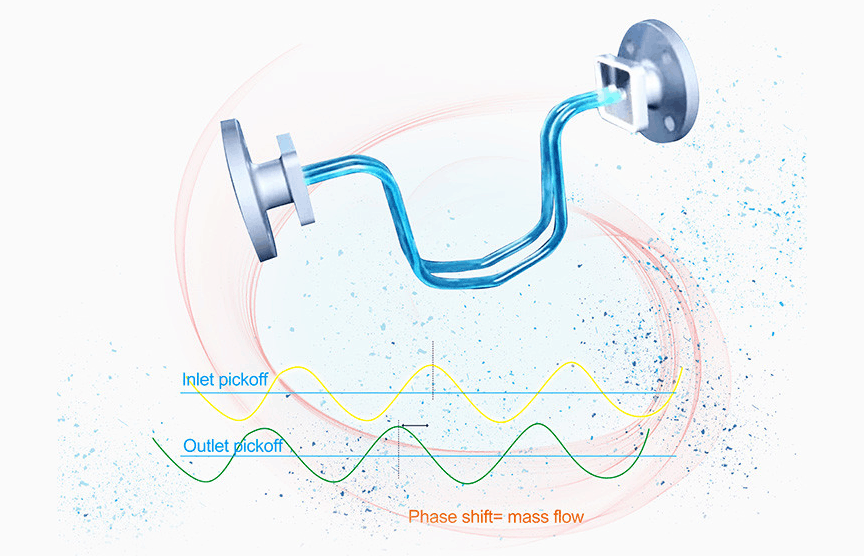
The principle of Coriolis mass flowmeter mass measurement is Newton’s second law F=Ma. When the fluid flows in the vibrating tube, it will produce Coriolis force proportional to the mass flow.

When there is no fluid flowing, the vibrating tube will not be twisted, and the signals detected by the electromagnetic signal detectors on both sides of the vibrating tube are in phase.

When fluid passes by, the vibrating tube will be twisted under the action of torque, and there will be a phase difference between the two detectors.

The transmitter measures the lag time between the left and right detection signals. This time difference is multiplied by the flow calibration coefficient to determine the mass flow.

The density measurement principle of Coriolis mass flowmeter is that the vibration frequency is inversely proportional to the square root of the fluid density. The fluid density is determined by measuring the vibration frequency.

Therefore, the mass flow meter can realize the measurement of fluid mass flow and the measurement of fluid density.

How does a T-series Triangle Coriolis Mass Flowmeter measure mass flow and density?

Coriolis mass flow measurement is the MOST ACCURATE FORM for a flow measurement for a wide range of industrial processes. Each Coriolis flowmeter has one or more measuring tubes.

As soon as the fluid starts to flow in the measuring tube, additional twisting is imposed on this oscillation due to the fluid’s inertia. Two sensors detect this change of the tube oscillation in time and space as the “phase difference.”
Phase difference= mass flow
Oscillation frequency= density

The so-called high-viscosity liquid means that the liquid is viscous and thick, which is not only different from ordinary liquids, but also different from non-Newtonian fluids (mud, paper pulp). The activity is slow and it is very difficult to filter by simple methods. What’s more, in addition to some dust, the liquid also contains colloidal particles that are not completely dissolved.

For example: solutions such as rubber, paraffin, cellulose acetate, viscose, polyacrylonitrile, paint and animal glue.

High Viscosity Flow Measurement is a Tough Job.

The property that generates the above-mentioned internal friction force when the fluid flows is called viscosity, and the physical quantity that represents the magnitude of viscosity (the magnitude of frictional resistance generated when the molecules inside the liquid move relative to each other) is called viscosity.

The greater the viscosity of the fluid, the worse the fluidity of the fluid.

For example, the viscosity of oil is greater than that of water, and the fluidity of oil is worse than that of water. The honey has a high degree of staining and is difficult to flow. For honey, screw pump products can be used. The viscosity of fluid is of great significance to the study of fluid flow, heat and mass transfer processes.

The physical meaning of viscosity is the size of the internal friction force generated by the fluid viscosity on the single value area when the fluid is caused to produce a unit velocity gradient (l/s). Therefore, the viscosity of the fluid is only displayed when it is in motion.

The greater the viscosity of the fluid, the greater the internal friction when flowing at the same speed. In other words, the greater the viscosity of the fluid under the same flow, the greater the resistance of the fluid and the greater the head loss of the fluid. . Therefore, in order to reduce the head loss, a lower flow rate should be used for fluids with human viscosity.

Extended reading: U-series Liquid Mass Flow Meter | Liquid-slurry flow measure

Oval gear flow meters and Coriolis mass flow meters can be used for high viscosity liquids.

The oval gear flowmeter is a positive displacement flowmeter. It has high accuracy for the measurement of malignant liquids, such as the flow of viscous fructose syrup.

Coriolis flowmeters have excellent performance in various types of media measurement, and now our customers often request them.

Sino-Inst is a supplier of high-viscosity fluid flow meters from a Chinese manufacturer. Welcome to contact us to get the low prices of these flow meters.

Extended reading: LCD Display Oval Gear High Viscosity Flow Meter

It is the most convenient choice to measure high viscosity liquid with ultrasonic flowmeter.

1. The ultrasonic flowmeter sensor converts electrical energy into ultrasonic energy and emits it into the fluid to be measured. The receiver receives the ultrasonic signal, which is amplified by the electronic circuit and converted into an electrical signal representing the flow rate to the meter for display.

2. The main thing is that it can be installed outside the pipeline. Do not touch the measured fluid. It is not affected by fluid temperature, pressure, viscosity, density, etc., so it fully meets your above requirements.

3. Because it is ultrasonic, the accuracy is not very high, generally 1%. Compared with some flowmeters on the market, it has fewer failures and easier maintenance.

Coriolis Mass Flowmeter is suitable for measuring various non-Newtonian fluids, slurries, suspensions, high viscosity fluids and other media.

The advantages of mass flow meters are:

  1. The time difference has a linear relationship with the measurement effect;
  2. Direct measurement of mass flow;
  3. The measuring instrument can additionally detect fluid density ρ and medium temperature T;
  4. The measurement results have high accuracy (typical accuracy: mass flow is ±0.1% (relative error of indication) + ±0.005% of the end value; density ρ is ±0.5kg/m³; △T is ±0.05% ( Relative error of indication) +5℃;
  5. The measurement result has nothing to do with pressure and temperature;
  6. The measurement result has nothing to do with the performance of the fluid (density, viscosity, electrical conductivity and thermal conductivity);
  7. The measurement result has nothing to do with the flow velocity distribution, that is, no special inlet guide pipe is required. The flowmeter can measure the true average mass flow rate. There is no need to apply back pressure at the outlet end, and no outlet guide pipe is needed;
  8. The installation location can be selected arbitrarily;
  9. Two-way measurement can be performed;
  10. All pressurized media can be measured, such as liquid and gaseous media. Especially polluted and corrosive media;
  11. Because there are no moving parts. Therefore, the flowmeter does not require maintenance and has high working reliability;
  12. The usable temperature range of the flowmeter is wide (-240℃~+426℃), and the pressure can reach 39.3 MPa.

Extended Reading: Rotameter vs Flow meter

In addition to the above-mentioned numerous advantages, there are also shortcomings;

  1. The flowmeter is expensive;
  2. The measuring pipeline with complex geometry increases the pressure loss;
  3. In addition to single straight pipes, some flow meters have many elbows, which are difficult to clean and have poor self-emptying ability;
  4. Pay attention to their compatibility between the material of the measuring pipe and the measured medium;
  5. The maximum flow rate that can be measured is 680T/h;
  6. Strong vibration and shock will affect the mechanical device of the flow meter, and will produce larger measurement errors in severe cases;
  7. The installation of some flow meters is restricted by installation regulations;
  8. A flow meter with a flow distributor will produce larger measurement errors when measuring uneven media;
  9. The measurement of high viscosity media requires additional excitation energy and special calibration.

Extended reading: Liquid Mass Flow Meter

The oval gear flowmeter has high measurement accuracy and is suitable for measuring the flow of high-viscosity media. But it is not suitable for fluids containing solid particles. If the measured liquid medium contains gas, it will also cause measurement errors.

Usually, the accuracy of the oval gear flowmeter can reach 0.5 level, which is a relatively accurate flow meter. However, if the flow rate of the measured medium is too small during use, the leakage error of the oval gear flow meter will be prominent. Sufficient measurement accuracy can no longer be guaranteed.

Technical features and advantages of oval gear flow meters:

Oval gear flowmeter is also called fixed displacement flowmeter, or PD flowmeter for short. It is a kind of high precision in the flow meter, especially suitable for the measurement of high viscosity medium flow. Oval gear flow meters use mechanical measuring elements to continuously divide the fluid into a single known volume. The total volume of fluid is measured according to the number of times that the metering chamber is filled and discharged with this volume of fluid successively and repeatedly.

The flow measurement has nothing to do with the flow state of the fluid. This is because the oval gear flowmeter relies on the pressure head of the measured medium to push the oval gear to rotate for measurement.

The greater the viscosity of the medium, the smaller the leakage from the gear and the metering gap. Therefore, the larger the sticky skin of the nuclear test medium, the smaller the leakage error, which is more beneficial to the measurement.

The oval gear flowmeter has high measurement accuracy and is suitable for measuring the flow of high-viscosity media. But it is not suitable for fluids containing solid particles (solid particles will jam the gear, so that the flow cannot be measured). If the measured liquid medium contains gas, it will also cause measurement errors.

Limitation of Gear Flowmeter

  • Poor choice for medium for water, because the carbon steel wet material can rusty, also an increase in fluid slippage.
  • The flow meter is really bully and heavy, increase a lot shipping charges when delivery
  • Relatively high price cost for large gear flow meter sizes for stainless steel material.
  • Not good for the multi-phase fluids flow measurement such as used as Refrigerant flow meter.
  • More moving parts needs maintenance compared ,it can be destroyed by flow surges and gas slugs

To measure high-viscosity fluids, you can use differential pressure flowmeters or ultrasonic flowmeters to measure. Such as V-cone flowmeters, balanced flowmeters, orifice flowmeters can all be solved, no matter how high the viscosity is, it will not affect .

More Featured Flow Meters

More Feature Flow Measurement Solutions

  • High Pressure Rotameter for Liquids/gas-Upto 25 Mpa

    High pressure rotameter is suitable for flow measurement of high pressure liquid and gas.Standard type rotameter: DN15-DN50, can withstand 4.0MPa. High pressure rotameter: DN15-DN50, can withstand 25MPa. The pressure level…
  • Flow Pressure Transducers for Fluid Pipelines

    Flow Pressure Transducers are measurements of fluid pressure within a pipeline. When fluid flows through a pipe, pressure acts on the pipe wall. The medium in the pipeline can be…
  • Crude Oil Flow Meter

    Crude Oil Flow Meter refers to a type of flow meter that can accurately monitor and measure the flow of crude oil. Crude oil is an industrial raw material with…
  • Non Contact Flow Meters Measure Liquid Flow

    What is non contact flow meter? Non Contact Flow Meters refers to flow meters that can achieve flow measurement without contacting the fluid medium. No need to destroy the pipeline…
  • LORA Water Meter

    LORA Water Meter is a commonly used wireless water meter/wireless flowmeter. The wireless remote water meter measures the water flow in the pipeline. The microcomputer in the water meter automatically…
  • Mechanical Oil Flow Meters

    What is mechanical oil flow meter? Mechanical oil flow meter refers to a flowmeter that can detect the volume flow of oil inline. Most importantly, this type of flowmeter is…

Sino-Inst, Manufacuturer for Coriolis Mass Flowmeters.

T-series Triangle Coriolis Mass Flowmeter simultaneously measures mass flow, density, temperature and viscosity.

Sino-Inst’s T-series Triangle Coriolis Mass Flowmeters, made in China, Having good Quality, With better price. Our flow measurement instruments are widely used in China, India, Pakistan, US, and other countries.

Z-Series Straight Tube Micro Motion Coriolis Flow Meter

Micro Motion Coriolis Flow Meter is a flow meter made according to the Coriolis acceleration theory. Z-Series Straight Tube Micro Motion Coriolis Flow Meter simultaneously measures mass flow, density, temperature and viscosity.

The Z-Series Straight Tube Micro Motion Coriolis Flow Meter can directly measure the mass flow rate of the fluid in the closed pipe and the density of the medium. No front/rear straight pipe length requirements. The measurement principle is completely unaffected by the physical properties of the fluid and the flow field. Can measure various liquid and gas flow.

Features of Z-Series Straight Tube Micro Motion Coriolis Flow Meter

  • General measuring principle for liquids and gases
  • Multivariable measurement: simultaneous measurement of mass flow, density, temperature and viscosity
  • High measurement accuracy: typical value is ±0.2% o.r.; optional: ±0.1%
  • The measurement principle is completely unaffected by the physical properties of the fluid and the flow field
  • No front/rear straight pipe length requirements
  • Wide measuring range: 1:10, 1:20
  • Straight pipe structure, small pressure loss, small sensor volume and light weight
  • The sensor has self-flow performance, easy to drain and easy to clean
  • High working frequency, not easy to be interfered by external industrial vibration frequency, adapt to harsh working conditions
  • Small installation space, not affected by installation conditions and process engineering
  • High measurement accuracy and good stability
  • No elbow parts, low wear and long working life

Straight Tube Micro Motion Coriolis Flow Meter Specification

Liquid Accuracy / Repeatabilityup to ±0.2± of rate (up to ±0.1± of rate)
Gas Accuracy / Repeatability±0.20± of rate
Density Accuracy / Repeatability±0.002 g/cm3 (±0.0005 g/cm3)
Line Size1/4″ (DN8) – 2″ (DN50)
Pressure Rangeup to 1450 psig (100 barg)
Temperature Range-60 to 300 F (-51 to 149 C)

Micro Motion Coriolis Flow Meter Applicaitons

Micro Motion Coriolis Flow Meter can be monitored in the following areas to meet the needs of its ingredients, mixing processing and commercial metering:

  • Chemical industry, such as systems with chemical reactions
  • Petroleum industry, such as moisture content analysis
  • Oil industry, such as vegetable oil, animal oil and other oils
  • Pharmaceutical industry
  • Paint industry
  • Paper industry
  • Textile printing and dyeing industry
  • Fuel industry, such as oil, heavy oil, coal water slurry and other fuels, lubricants
  • Food industry, such as dissolved gas drinks, health drinks and other liquids
  • Transportation industry, such as the metering of liquids in pipelines

Read more about: The Pros and Cons of Micro Motion Flow Transmitters

Micro Motion Coriolis Flow Meter Working Principle

The micro-motion mass flowmeter is a flowmeter made according to the Coriolis acceleration theory. There is a straight tube that rotates in a plane around a fixed axis O at an angular velocity w, and a particle in the tube moves outwards along the straight tube at a speed v. Because The mass point m is in a system with both rotational motion and linear motion, so it will obtain two accelerations.

Serving size:

① Centripetal acceleration a, its value is rw^2 (r is the distance from the particle m to the axis O), and the direction points to the axis O.
② Tangential acceleration ac, its value is 2uw. The direction is perpendicular to a, it comes from the rotating pipe. At the same time it produces a reaction force to the pipe. This reaction force is the Coriolis force. Its calculation formula is:

F=2muw —————-(3-8)

Where:
F is Coriolis force, N;
w is the angular velocity, 1/s;
u is the radial velocity in the rotating system, m/s,
m is the mass of the moving object, kg.

If the density of the fluid is p, the tangential Coriolis force on any section of pipe △x is:

△F=2pA△xuw ———(3~9)

Where:
A is the cross-sectional area of ​​the pipe.

In the formula (3-9), pAu is the natural flow rate of the fluid, set as QM’, then the formula (3-9) can be expressed as:

△F= 2w△xQm————-(3-10)

From the above equation, we can know the mass flow Qm as long as the Coriolis force △F is measured. This is the measuring principle of micro-motion mass flowmeter.

Read more about: Coriolis meter for High viscosity liquid

More Featured Flow Meters

Sino-Inst, Manufacuturer for Micro Motion Coriolis Flow Meters.

Z-Series Straight Tube Micro Motion Coriolis Flow Meter simultaneously measures mass flow, density, temperature and viscosity.

Sino-Inst’s Micro Motion Coriolis Flow Meters, made in China, Having good Quality, With better price. Our flow measurement instruments are widely used in China, India, Pakistan, US, and other countries.

Mass Flow Meters

Mass flow meter directly measures the mass flow of the medium passing through the flow meter. It can also measure the density, temperature and viscosity of the medium

Mass flow meter is a flow measuring instrument that measures the mass flow in the pipeline. The volume of a fluid is a function of fluid temperature and pressure and is a dependent variable. The quality of a fluid is a quantity that does not change with time, space temperature, and pressure.

Sino-Inst offers a variety of  Mass flow meters for flow measurement. If you have any questions, please contact our sales engineers.

Featured Mass Flow Meters

Featured Mass Flow Controllers

Mass Flow Meter Types

Mass flow meters can be divided into two categories:
One is the direct type, which directly outputs the mass flow. Coriolis mass flow meters and thermal gas mass flow meters are direct mass flow meters.

The other type is indirect or deduced. By using the relationship between fluid density, temperature and pressure, the flow meter that calculates the fluid mass is an indirect mass flow meter. Such as application of ultrasonic flowmeter and density meter combination. Multiply their output to get the mass flow rate.

Direct

There are many types of direct mass flow meters, such as calorimetric, angular momentum, gyro and double impeller. This kind of instrument is suitable for measuring small flow gas, the disadvantage is that it is inert. The measured value is related to the specific heat of the gas at a constant pressure. The measuring element is in contact with the medium and is easy to be contaminated and corroded.

Read more about: The Pros and Cons of Micro Motion Flow Transmitters

Indirect

There are 3 main types of indirect mass flow meters:
Combination of velocity flow meter and density meter.
Combination of throttling (or target) flowmeter and positive displacement flowmeter.
Combination of throttling (or target) flowmeter and density meter.

There is also a method that converts the measured value of a volumetric flowmeter into a volumetric flow rate in a standard state according to the working pressure and temperature of the fluid.
However, when the type or composition of the medium changes, it cannot give an accurate mass flow. Strictly speaking, it is not a mass flow meter. Output density, specific gravity, volume flow, mass flow, mass energy flow, etc. It has multiple functions such as indication, analog output, printing, over-limit alarm, and instrument failure alarm.

Thermal

The basic principle of thermal mass flowmeter is to use an external heat source to heat the measured fluid in the pipeline. Heat energy flows with the fluid. The mass flow rate of the fluid is reflected by measuring the change in heat (temperature) caused by the fluid flow.

Differential pressure

The differential pressure mass flowmeter is a flowmeter based on the Magnus effect. In practical applications, the mass flow measurement is realized by the combination of orifice plate and quantitative pump. There are two common structures: double-hole plate and four-hole plate combined with quantitative pump.

Coriolis

Coriolis mass flowmeter (Coriolis flowmeter for short) is an instrument that directly measures mass flow by using the principle that fluid flows in a vibrating tube to produce Coriolis force proportional to mass flow.

The structure of Coriolis flowmeter has many forms, generally composed of vibrating tube and converter. The vibrating tube (measurement pipe) is a sensitive device. There are several shapes such as U shape, Ω shape, ring shape, straight tube shape and spiral shape. There are also methods such as double pipes, but the basic principle is the same.

More about Mass Flow Meters from Wikipedia.

Guess you like: Gas Mass Flow Meter

Mass Flow Meter Price

First, mass flow meters are slightly more expensive than ordinary volumetric flow meters. As a manufacturer of mass flow meters. Sino-Inst hopes to provide more users with high-quality products at the best price. The price of mass flow meters is mainly affected by the following aspects:

  • The price of mass flow meter is based on
  • Caliber specification requirements,
  • Electrode material is selected for the corrosive medium,
  • The selected lining material,
  • The body material is sprayed with stainless steel or carbon steel,
  • Different specifications and material choices have different prices.
  • In terms of installation method, flange integrated installation or split installation, plug-in installation or clamping installation, etc., the price is different depending on the form.

Extended reading: Mass Flow Rate vs Volumetric Flow Rate

More Featured Flow Meters:

Sino-Inst offer over 50 Mass Flow Meters with Best Price.

A wide variety of Mass Flow Meters options are available to you, such as free samples, paid samples.

Sino-Inst is Mass Flow Meters suppliers, located in China. Mass Flow Meters products are most popular in North America, Mid East, and Eastern Europe. The United States, and India, which export 99%, 1%, and 1% of Magnetic Flow Meters respectively.

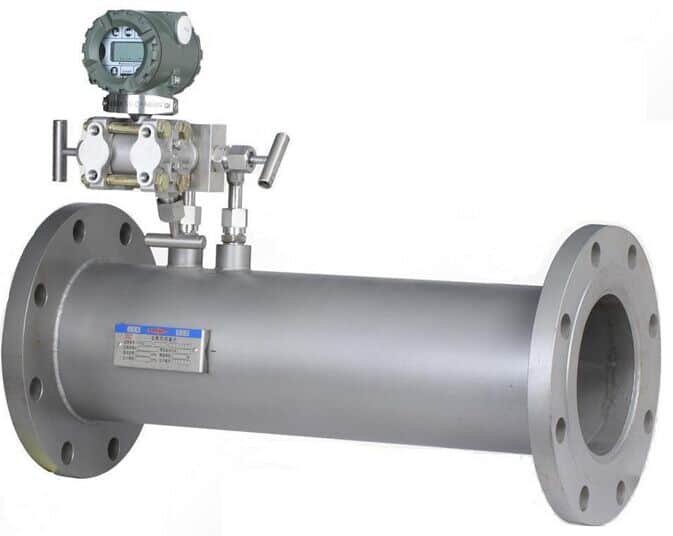
V-Cone Flow Meter

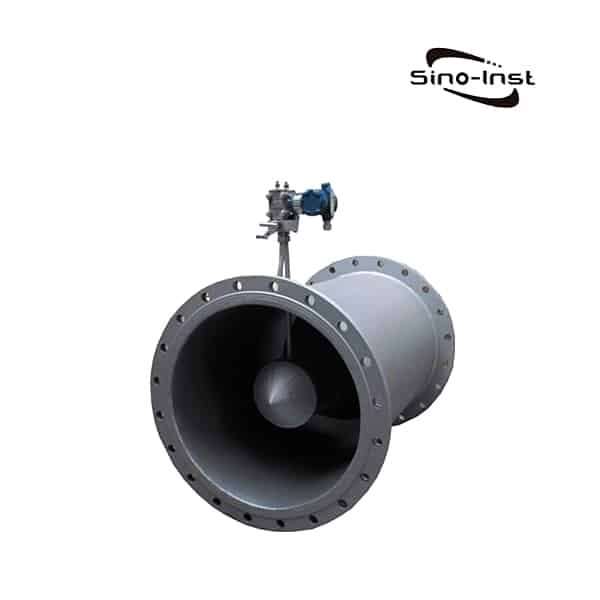
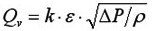
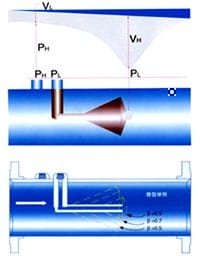
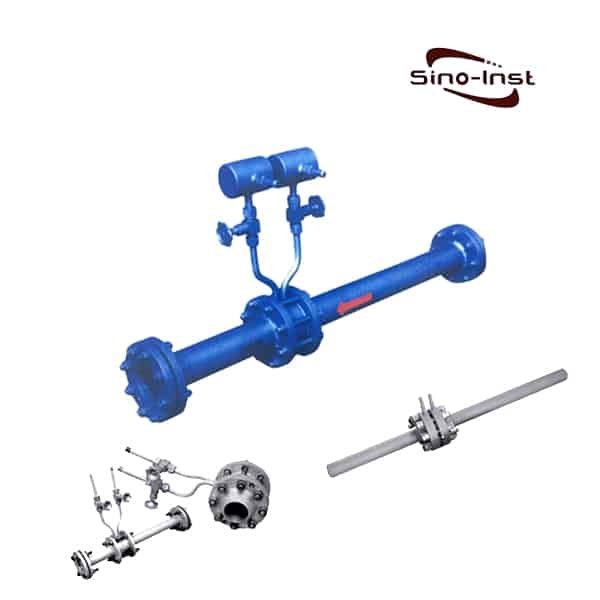
V-cone flow meter is also known as cone-type flow meter; inner cone flow meter; integrated V-cone flow meter. The principle of V-cone flow meter is the same as other DP flow meters, and it is also a throttling DP flowmeter.;

The basic principle of the V-cone flow meter is the same as that of other types of differential pressure flowmeters. They are based on the principle of energy conservation in the sealed pipeline. The V-cone flow meter is a cone-shaped shutoff piece suspended in the center of the pipeline, and the cone-shaped piece hinders the flow of the medium. Reshape the flow rate curve. Measuring media include water, steam, air, natural gas, nitrogen, coke oven gas, etc. The maximum working temperature is 450℃, and the maximum pressure is 40Mpa.

Sino-Inst, Manufacturer for differential pressure flow meters. Including the Orifice plate, Venturi, Annubar, etc. Suitable for liquid, gas, and steam flow measurement. Please contact our sales engineers for technical support!

Features of V-Cone Flow Meter

  • Low installation requirements. The first 0~3D straight pipe, the rear 0~1D straight pipe section;
  • Wide range ratio. It is usually 10:1, and it can be up to 50:1 by selecting appropriate parameters;
  • The pressure loss is small. For the same β value, the pressure loss is 1/3~1/5 of the orifice;
  • Wear resistance. After the streamlined cone is throttled, a vacuum layer effect is produced on the surface of the cone, making the cone not easy to wear;
  • No clogging, no adhesion. The conical thorough purging design avoids the retention of residue, condensate or particles in the fluid;
  • Long-term stability is good. β value can be unchanged for a long time, and long-term accurate measurement is guaranteed;
  • High accuracy: 0.5 level;
  • Good repeatability. Better than 0.1%;
  • The signal is stable. “Signal fluctuation” is 1/10 of the orifice;
  • Wide β value range. The unique geometry of the V-cone flow sensor allows a wide β value range;
  • Wide range of caliber: DN25~DN2000;
  • Measurable high-temperature and high-pressure media: the maximum working temperature is 850℃, and the maximum pressure is 40MPa;
  • Can detect dirty media (coke oven gas, blast furnace gas, raw oil, residual oil, etc.);
  • Measurable gas-liquid two-phase medium (humidity, condensate, etc.);

V-Cone Flow Meter Specification

Long-term stability:± 0.1% F.S / Y
Output:4~20mA
Repeatability:± 0.1%
Minimum flow velocity:0.1m
Turndown ratio: Normally15:1; max50:1
Reynolds number range: 8 × 10³ ~ 5 × 10⁶
Operating pressure:≤ 16MPa, 42MPa(maximum)
Operating temperature: -160 °C ~ 700 °C
Nominal diameter:φ15~φ2000 (1/2″~120″)
Environment temperature: ≤ 80 °C

Extended reading: Integral DP Flow Meter|Gas, liquid, steam|Compact structure

V-Cone Flow Meter Applications

V-Cone Flow Meter can successfully measure fluids:

  1. Gas:
    Gas: coke oven gas, blast furnace gas, city gas;
    Natural gas: includes natural gas with a moisture content of more than 5%;
    Various hydrocarbon gases: alkanes, olefins and other gases;
    Various gas production: hydrogen, helium, argon, oxygen, nitrogen, etc.;
    Corrosive gas: wet chloride gas, etc.;
    Air: including air containing water, dust, compressed air, etc.;
    Flue gas: flue gas discharged from various boilers and heating furnaces;
  2. Steam: saturated steam, superheated steam;
  3. Liquid
    Oils: crude oil, fuel oil, water-containing emulsified oil, diesel, hydraulic oil, etc.;
    Water: raw water, drinking water, production water, sewage, etc.;
    Various aqueous solutions: acid, alkali, saline solution, etc.;
    Organic chemicals: methanol, ethylene glycol, xylene, etc.;
  4. Special fluid
    Oil + HC gas + sand;
    Aerated water: H2O+N2+air; H2O+CO2, etc.;

Extended reading: Flow Measurement of Nitrogen

veris flow measurement group

Armstrong International’s Veris – Flow Measurement solutions provide outstanding flow measurement technology to meet the critical needs for your environment. Their Verabar and Accelabar patented solutions deliver consistent, accurate and reliable flow measurement to handle a wide variety of liquids, gases and steam.

The metal Rotameter flow meter is suitable for the flow measurement of small-diameter and low-velocity media. It can measure most media such as gas and liquid.

The metal Rotameter flow meter can measure the instantaneous flow and cumulative flow of gases and liquids, including corrosive acid, alkali, and salt solutions. It is especially preferred when the flow is low or when a purely mechanical or inconvenient power supply is required.

Rotameter flow meters are mostly vertical installation, bottom entry, and top exit type, and can also be installed horizontally. The price is higher. Let me show you a sample.

This is an explosion-proof type for measuring corrosive liquids.

This is a smart type. It can measure gas and liquid. There should be no impurities.

This one is installed horizontally to measure nitrogen. It is purely mechanical to display instantaneous flow rate.

V-Cone Flow Meter Working Principle

The V-cone flow meter is a differential pressure flow meter. The flow meter designed on the principle of differential pressure has been applied for more than 100 years.

The principle of differential pressure is based on the principle of energy conversion in a sealed pipeline. That is to say, for a stable fluid, the flow rate is proportional to the square root of the flow rate of the medium in the pipeline.

When the medium is close to the cone, its pressure is P1. When the medium passes through the intercepting area of ​​the cone, the speed increases and the pressure decreases to P2. Both P1 and P2 are led to the differential pressure transmission through the tapping port of the cone flowmeter When the flow rate changes, the differential pressure between the two pressure taps of the cone flowmeter will increase or decrease.

The calculation formula used by the V-cone flow meter for flow calculation is the same as other differential pressure flow meters. However, the unique design of its intercepting element forces the medium in the center of the pipeline to flow around the cone. Compared with other differential pressure flowmeters. There are many advantages.

We can understand the performance of the cone flowmeter with the help of the ideal flow rate curve distribution. The fluid in the pipeline is not disturbed or hindered, which is what we call the ideal flow state. Its flow velocity is evenly distributed, and the flow velocity near the pipe wall is almost zero.

The flow velocity in the center of the pipe reaches the maximum. The flow velocity near the pipe wall is almost equal to Zero. It is caused by the friction of the pipe wall against the medium. Because the cone is suspended in the center of the pipeline, it is directly in contact with the high-speed area of ​​the fluid, forcing the fluid in the high-speed area to mix with the fluid in the low-velocity area near the pipe wall to make the flow rate uniform.

Therefore, even if the flow rate is very low, the cone flowmeter can still make the fluid and the highest flow rate in the center of the pipe continuously interact to produce the correct differential pressure.

V-Cone Flow Meter Calculation

The simplified formula is:

Where:
QV-fluid volume flow m³/h
Cd-outflow coefficient
βV—Equivalent diameter ratio
dV—is the maximum diameter of the cone, D is the inner diameter of the pipe
ρ—Density under fluid conditions
ε-gas expansion coefficient

In reality, it is difficult to distribute the flow rate uniformly, and any changes in the pipeline may affect the fluid. Such as: bay head, valve, reducing diameter, expanding diameter, pump, tee, etc. The cone flowmeter uses a cone to reshape the upstream flow velocity distribution curve. Even in extremely harsh conditions, measurement accuracy can still be guaranteed.

Extended reading: [Working principle&Price]SI3051ANB Annubar Flow Meter

  1. If the medium has particulate impurities, it is easy to block.
  2. The pressure loss is the largest in the non-movable components such as electromagnetic, vortex, thermal, and Vera, and the flowmeter based on the principle of non-orifice plate. There will be about 10~20% pressure loss. The pressure loss will be even greater if several sets are used on one pipeline.
  3. If the V-cone flow meter is broken, it must be removed. Downtime for many businesses is troublesome.
  4. Because it is a differential pressure type, pressure and temperature compensation are required. And these two compensation probes are more prone to damage than the flowmeter.
  5. The range ratio of v-cone flowmeter is small, generally 1:10, good to 20. The electromagnetic energy generally reaches 100. Except for electromagnetic and thermal, other flowmeters have a lot of drop in measurement accuracy on small flow, or even can not measure.

V-Cone Flow Meter Installation

1.Pipeline flange type:

Refers to the installation flange at both ends of the flowmeter. It is connected with the installation flange (also called user flange) of the same specification at both ends of the process pipeline. It is a more commonly used structure.

The applicable caliber (DN50mm~3000mm). This form is suitable for split installation of throttling device and differential pressure transmitter. It is generally used when measuring steam flow. It can also be used when measuring other high-temperature media.

2.Flange clamping type:

Used for the installation of small-mouth flow meters. Only 2 flanges are required for each flowmeter process pipeline. The flange and the process pipeline are welded together. Then clamp the flowmeter between the two flanges. The installation method here is the same as that of the vortex flowmeter (≤300mm).

3.Small-caliber integrated type:

Suitable for fluids with a diameter of ≤DN40mm and a medium temperature of ≤120℃. The structure is to directly combine the differential pressure transmitter with the tower flow meter into a whole.

There is no pressure guiding tube, pressure taking valve, three valve group between the two. Make the installation very simple (the same as the vortex flowmeter installation method). When the differential pressure transmitter adjusts the zero point, the valve of the process pipeline needs to be closed, and then the zero can be adjusted.

Note: This installation method cannot be used to measure high-temperature media. It is because the high-temperature media will enter the measuring room of the differential pressure transmitter and damage the measuring diaphragm of the transmitter.

4.Pipeline butt welding type:

Refers to the tower flowmeter and the process pipeline cannot be connected by flange (the flowmeter body cannot be flanged). The flowmeter and the process pipeline are directly welded together during installation. The cost of this structure is relatively low (the cost of 4 flanges is reduced), and it is a one-time installation. Generally used in larger diameter occasions.

5.Conventional fluid integration type:

Refers to the fluid whose medium temperature is ≤120℃. Applicable pipe diameter: DN50~DN3000. According to different fluids and user requirements, the manufacturer welds (or assembles) valves and three-valve groups on the flowmeter before leaving the factory. The user can assemble the flowmeter and transmitter together when installing on site.

6.Steam integrated type:

It means to assemble the transmitter and the tower flowmeter together when measuring the steam flow. Between the transmitter and the flowmeter, we must assemble the “three-valve group dedicated for steam” of our company. So cancel The pressure guiding tube is greatly simplified and the pressure taking structure is greatly simplified.

7.Liquid antifreeze type:

Refers to the “liquid special isolation tank” installed by our company between the tower flowmeter and the transmitter. The tank contains a special medium, which can not freeze at a lower temperature. This installation method is used when measuring liquids, especially when the outdoor environment is relatively low. The liquid in the measuring chamber of the transmitter is easy to freeze and damage the transmitter.

8.Square pipe flange type:

Refers to the process pipe is a square pipe. The flow meter measuring pipe is a round pipe. The two are connected by a special “square-circle” connector.

  1. Flange, clamp connection type

The V-cone flow sensor is a straight pipe section with flanges. The v-cone is placed inside the tube. Weld the same flange on the process pipe and assemble it with the v-cone flow sensor.

When the V-cone flow sensor is installed on a vertical pipe, the fluid should flow from bottom to top. Since the positive and negative pressure inlets are not on the same level, necessary corrections should be made to their heights.

Diameter range Throttle upstream downstream
All 1 elbow 1D 1D
2 elbows 1D 1D
tee joint 1D 1D
Butterfly valve (control valve) 10D when not ideal 5D downstream of valve
Butterfly valve (stop valve) 5D 3D
Ball valve (cut-off) 1D 1D
Heat exchanger (depending on type) 1D 0D
Expanding tube (0.67D-D) length 2.5D 2D 2D
Reducer (3D-1D) length 3.5D 1D 1D
  1. Welding type

The V-cone flow sensor can be permanently welded in the pipeline as a part of the pipeline because of its very good wear resistance and the fluid purging around the V-cone, making it self-cleaning.

Requirements for upstream and downstream straight pipe sections:
Gas measurement, Reynolds number range (Re) > 200,000, β value greater than or equal to 0.65

Requirements for upstream and downstream straight pipe sections:
Liquid measurement, Reynolds number range (Re)≤200,000, β value greater than or equal to 0.65

Diameter range Throttle upstream downstream
All 1 elbow 1D 1D
2 elbows 1D 1D
tee joint 1D 1D
Butterfly valve (control valve) 3D in less than ideal locations Valve Downstream 3D
Butterfly valve (stop valve) 3D 3D
Ball valve (cut-off) 0D 0D
Heat exchanger (depending on type) 0D 0D
Expanding tube (0.67D-D) length 2.5D 1D 1D
Reducer (3D-1D) length 3.5D 1D 1D

Frequently
Asked
Questions

V-cone flowmeter, also known as; V-cone flowmeter; V-cone flowmeter; Cone flowmeter; Cone flowmeter; Inner cone flowmeter; Inner cone flowmeter.

Integrated V-cone flowmeter V-cone flowmeter (V-cone flowmeter) is a differential pressure flowmeter developed in the 1980s. Its successful development is a qualitative leap in differential pressure flow measurement.
It uses the throttling effect produced by the V cone in the flow field to measure the flow by detecting the upstream and downstream pressure difference.
V-cone flowmeter is mainly used for flow measurement of liquid, gas and steam. V-cone flowmeter is divided into two forms: integrated and split.

If you want to divide the flow meter into three categories. I think it can be divided into volumetric flowmeters, mass flowmeters, and velocity flowmeters.

There are differences in the measurement accuracy of commonly used flowmeters, as follows.

Mass flowmeter 0.05%, positive displacement flowmeter 0.25~0.5, electromagnetic flowmeter 0.25~1.0, turbine flowmeter 0.15~0.5, vortex flowmeter 0.1.5, ultrasonic flowmeter 0.1.0 (multi-channel is better than 0.5) , Orifice plate, V cone, uniform velocity tube flowmeter 1 to 1.5, nozzle 0.10.

Both the accuracy and error of a flowmeter characterize the ability of a measuring instrument to approximate the actual true value of the measurement results. The higher the accuracy of the instrument, the closer the measured value is to the actual true value. The higher the accuracy, the smaller the error.

Therefore, the accuracy of the mass flowmeter is currently the highest.

Related DP Flow Meters

Related Blogs

Sino-Inst offers over 10 V-cone flow meter products. These are differential pressure flow meters, 40% are water meters (like the Insertion Turbine Flow Meter), and 40% are water treatment (like the Annubar flow meter ).

A wide variety of V-cone flow meter options are available to you, such as free samples, paid samples.

Sino-Inst is a globally recognized supplier and manufacturer of V-cone flow meter, located in China. The top supplying country is China (Mainland), which supply 100% of the V-cone flow meter respectively.

Sino-Inst sells through a mature distribution network that reaches all 50 states and 30 countries worldwide. V-cone flow meter products are most popular in Domestic Market, Southeast Asia, and Mid East.

You can ensure product safety by selecting from certified suppliers, with ISO9001, ISO14001 certification.

Wedge Flow Meter

Wedge flow meter is a differential pressure flow meter. The detection part is a V-shaped wedge (also called a wedge-shaped throttle).

Wedge flowmeter is a new type of throttling differential pressure flow measuring instrument. The wedge flowmeter can perform high-precision flow measurement in fluids with high viscosity and low Reynolds number (Reynolds number 500 can be used). It has unparalleled advantages in flow measurement occasions with low flow rate, small flow and large pipe diameter. Except for general gas, liquid and steam, it is especially suitable for flow measurement of high-viscosity, dirty liquid and high-dust gas.

Sino-Inst, Manufacturer for differential pressure flow meters. Including the Orifice plate, Venturi, Annubar, etc. Suitable for liquid, gas, and steam flow measurement. Please contact our sales engineers for technical support!

Features of Wedge Flow Meter

High accuracy, good stability and good repeatability. Measurement error: ±0.5%F.S; long-term stability: ±0.1%F.S/Y.

Simple structure, high reliability and long service life. The unique structure of the wedge flow sensor, the configuration of the high-performance differential pressure transmitter, and the strict degree of testing, testing and standardization. The service life can reach more than 10 years.

Wide measuring range. The range ratio is generally 1:25, up to 1:33. When the differential pressure of the differential pressure transmitter is changed, it can reach more than 1:100

The scope of application is extremely wide. It is not only suitable for single-phase fluids, but also for two-phase fluids such as gas-liquid, gas-solid and liquid-solid. Its Reynolds number can be as small as 300 and as high as 1×10⁷. The wedge flow meter can work in the state of measuring flow or in the state of turbulent flow, and its lowest flow rate is 0.01m/s. It is suitable for the flow measurement of various liquids, gases, steam and high dust-containing gases such as high temperature, high pressure, high viscosity, heavy corrosion, easy crystallization, suspended solids, long fibers, etc.

Anti-adhesion, no deposition, no clogging. The anti-adhesion structure design of the wedge-shaped sensor measuring tube and the throttling piece eliminates the adhesion and accumulation of sand, dust, suspended solids, and fibers in the measured medium to the flow sensor measuring tube. At the same time, the corrosion of the measuring tube is prevented, thus ensuring the long-term constant of the measuring tube diameter and the long-term standard of flow measurement.

Integration. Integrated installation of wedge sensor, three groups of valves and differential pressure transmitter. Eliminates the need for pressure guiding pipelines, valves, pipe fittings, and the entire system is simpler. The measurement accuracy and reliability are greatly improved.

Intelligent. When selecting the intelligent differential pressure transmitter, the process parameters can be set and configured through HART protocol or other communication methods. According to the change of the measured medium flow rate, the differential pressure is adjusted to greatly broaden the system range. When the intelligent multi-parameter differential pressure transmitter is selected, multi-parameter measurement (differential pressure, volume flow, mass flow, pressure, temperature) can be realized. Realize complete temperature and pressure compensation, and directly output accurate flow signals.

Low installation requirements for straight pipe sections. Low requirements for installing straight pipe sections can effectively avoid and reduce the additional measurement uncertainty of the measurement system.

The pressure loss is small, saving energy.

Read more about: Coriolis meter for High viscosity liquid

Specification of Wedge Flow Meter

Accuracy0.5 grade, 0.2, 0.3, 0.4 grade precision negotiated order
Long-term stability±0.2%F.S/Y
Repeatability±0.2%
Suitable test mediumVarious liquids, gases and steam
Minimum flow rate0.01m/s
Measuring rangeGenerally 1:25, up to 1:33, when the differential pressure of the differential pressure transmitter is changed.
It can reach more than 1:100
Pressure lossMeasure about 1/5 of the differential pressure (about 1/3 of the orifice plate)
Reynolds number application rangeThe lower limit is 500, the upper limit is less than or equal to 1×10 7
(when measuring under low Reynolds number, the range is relatively reduced,
and the uncertainty of the outflow coefficient is relatively increased)
Measured liquid viscosity500mpa.s, or higher
Working pressure range-0.1~42MPa
Range of working temperature-160℃~450℃ (up to 700℃ for special)
Applicable pipe sizeDN10mm~DN1200mm (special up to 2500mm)
Wedge ratio h/d0.2, 0.3, 0.4, 0.5
Differential pressure/pressure transmitter power supply24VDC
Differential pressure/pressure transmitter output4~20mADC (HART protocol can be selected)

Extended reading: Flat Pressure Sensor for High Viscosity Fluids

Wedge Flow Meter Applications

The wedge flow meter can successfully measure the following fluids;

  • Gas: coal gas, natural gas (including high-humidity natural gas and unclean natural gas containing other impurities). Air (including air containing water, solid particles and other suspended matter).
  • Steam: saturated steam, superheated steam.
  • Liquid:
    • Oils (such as crude oil, fuel oil, coal tar, residual oil, paraffin oil, water-containing emulsified oil, water-containing sandy slop oil, etc.).
    • Slurry (such as oil slurry, iron ore slurry, paper slurry, mud, coal Pulp, etc.).
    • Water (such as: purified water, sewage, industrial wastewater, river source water containing silt and debris, etc.).
    • Various aqueous solutions (such as: various acid, alkali, salt solutions with strong corrosiveness and easy crystallization , Solutions containing more suspended solids, etc.).
  • Special fluid.

Extended reading: [Working principle&Price]SI3051ANB Annubar Flow Meter

Wedge Flow Meter Working Principle

When the fluid flows into the flow tube, it is forced to accept the vertical movement of the flow tube. In the half cycle of the upward vibration of the flow tube, the fluid resists the upward movement of the tube and exerts a downward force on the flow tube.

On the contrary, the fluid of the wedge flow meter exerts an upward force on the flow tube to oppose the downward movement of the tube and reduce its vertical momentum. This causes the flow tube to twist. In the other half of the vibration cycle, the flow tube vibrates downwards and twists in the opposite direction.

It vibrates at its resonant frequency by driving the coil and the feedback circuit. The resonance frequency of the vibrating tube is related to the structure, material and quality of the vibrating tube. The quality of the vibrating tube consists of two parts: the mass of the vibrating tube itself and the quality of the medium in the vibrating tube.

After each sensor is produced, the quality of the vibrating tube itself is determined. The mass of the medium in the vibrating tube is the product of the density of the medium and the volume of the vibrating tube. The volume of the vibrating tube is fixed for each caliber sensor. Therefore, the vibration frequency is directly related to the density. For sensors that determine the structure and material, the density of the medium can be obtained by measuring the resonance frequency of the flow tube.

When using a wedge flow meter, if a small amount of gas flows in a stratified or wavy flow in the water pipe. The fault phenomenon is manifested as an increase in error, that is, the flow measurement value does not match the actual value.

If the flow is a bubble flow or a plug flow, the fault phenomenon is except that the measured value does not match the actual value. The output will fluctuate because the gas phase instantly covers the electrode surface.

If the cross-sectional area of ​​the horizontal pipeline in the stratified flow increases in the gas phase. That is, the degree of liquid not full of the tube increases. There will also be output shaking, and the situation is more serious if the liquid is not full. If the liquid level is below the electrode, the output will be over-full.

Extended reading: V-Cone Flow Meter Applications

Wedge Flow Meter Calculation

Where qv—-volume flow meter, m³/s
C——Outflow coefficient;
ε—–Expansion coefficient;
m——throttling area ratio;
D——Inner diameter of pipe, m;
△p——Differential pressure, pa;
ρ——The density of the measured medium, kg/m³

The wedge flow meter has correction functions for parameters such as flow coefficient, non-linear error, temperature change, and density change. The measurement accuracy can reach 0.5%. Can have on-site display and standard current signal (4~20mA DC) output. It can be conveniently used in automatic control systems or networked with computers. Perform automatic adjustment and control of flow or other parameters.

Wedge flowmeter Vs V-cone flowmeter

The wedge flow meter is a new type of flowmeter that began to be practical in the 1980s. Its detection part is a V-shaped wedge (also known as a wedge-shaped throttling part), and its sleek top angle faces downward. It is conducive to the smooth passage of liquids containing suspended particles or viscous liquids, and no stagnant flow occurs on the upstream side of the throttle. Therefore, it is especially suitable for the measurement of volume flow and mass flow in petroleum and chemical industries.

Scope of application:

  1. Suitable for measuring mud, coal tar pitch, coal water suspension and other high viscosity fluids;
  2. In the case of a very low pipeline Reynolds number (even as low as Re=500), the square root relationship between flow and differential pressure can still be maintained. The minimum Reynolds number of the orifice flowmeter is much larger than that of the wedge flow meter;
  3. Corrosive media can be measured. Because the differential pressure measurement uses a diaphragm type double-flange differential pressure transmitter, corrosive media cannot enter the pressure guiding tube and the differential pressure transmitter. Therefore, only the wedge-shaped throttling is processed by corrosion-resistant materials It can make the instrument measure corrosive media.

The V-cone flowmeter is a new type of differential pressure flow meter with high precision and high stability. Like other differential pressure meters, it is also based on the principle of flow continuity and Bernoulli’s equation to calculate the fluid flow rate.

Scope of application:

Because the V-cone flowmeter can uniform fluid distribution curve. Therefore, compared with other types of differential pressure flow meters, the requirements for the upstream and downstream straight pipe sections are small. It is recommended to leave 0-3D straight pipes upstream and 0-1D straight pipes downstream. When the user’s pipeline size is large, the pipeline price is high or the straight pipe section is not enough, the V-cone flowmeter will be the best choice.

So to sum up, there are differences in the scope of application of wedge flow meter and v-cone flowmeter. The former can maintain the square root relationship between flow and differential pressure at very low pipeline Reynolds number. The latter can be used when the pipe size is large or the straight pipe section is not enough.

Extended reading: What Is A Venturi Flow Meter?

You may like:

Sino-Inst offers Wedge Flow Meters.

A wide variety of Wedge Flow Meter options are available to you, such as brass, carbon steel. You can also choose from free samples.

Sino-Inst is Wedge Flow Meter supplier. Orifice plate flow meter products are most popular in Domestic Market, Southeast Asia, and Mid East.

You can ensure product safety by selecting from certified suppliers, including 375 with ISO9001, ISO14001, and Other certification.

Welding Orifice Plate|High pressure and High temperature flow meter

The high temperature flow meter is a welded orifice flow meter. Suitable for high temperature and high pressure steam flow and high pressure flow water measurement.

The nozzle of the temperature and high pressure welding orifice plate adopts the standards of the Ministry of Water Resources and Electric Power. The standard is (DG0700-DG0750). Welded integrated orifice plates for high temperature and high pressure are mainly used for measuring orifice plates for high temperature and high pressure steam flow and high pressure flowing water in power plants.

Sino-Inst, Manufacturer for differential pressure flow meters. Including the Orifice plate, Venturi, Annubar, etc. Suitable for liquid, gas, and steam flow measurement. Please contact our sales engineers for technical support!

Features of High pressure and High temperature flow meter

  • The experimental research and data accumulation are abundant, supported by national standards.
  • Wide range of differential pressure used.
  • The pipe diameter has a wide range of use.
  • The measurement accuracy is high and the range is wide.
  • It can be applied to various working conditions such as high temperature, high pressure and ultra-low temperature.
  • Can be applied to various materials.
  • Digital display on site, compatible with remote signal transmission.
  • It is suitable for a wide range of media, and can measure the flow of various liquids, gases and steam.
  • Simple manufacturing and convenient installation.
  • The pressure loss of the welded orifice plate is about half of the differential pressure.

Welding Orifice Plate|High pressure and High temperature flow meter Specification

Nominal diameter: 25mm≤DN≤2400mm
Nominal pressure: PN≤42Mpa
Working temperature: -50℃≤t≤550℃
Aperture ratio: 0.10≤β≤0.75
Reynolds number range: when 0.10≤β≤0.56, 5000≤ReD
When 0.45≤β≤0.75, 10000≤ReD
Accuracy: Class 1.0, Class 1.5, Class 2.0

Extended reading: Vortex Hygienic Flow Meter

More Featured High Temperature Flow Meters

Here we simply list the temperature of the following different types of high temperature flow meters:

Please note: high temperature flow sensor is customized ,not standard type. If you need to measure high temperature, please contact Sino-Inst sales engineer.

Extended reading: High Pressure Flow Meters for Liquids-Steam-Gas

Vortex Split High Temperature Flow Meter

The High Temperature Flow Meter uses a split signal converter. The way the vortex body is separated from the vortex converter. The Vortex Split High Temperature Flow Meter is suitable for high temperature, high pressure, safety and explosion-proof applications, where you need to watch the meter data on site. It is widely used in the measurement of steam, gas and liquid. And inconvenience Under complex conditions of reading data.

High temperature mass flow meter

The thermal gas mass flow meter is designed based on the principle of thermal diffusion, which uses the constant temperature difference method to accurately measure the gas. The sensor part consists of two reference grade platinum resistance temperature sensors. Thermal gases are widely used in factory compressed air, blast furnace gas measurement in ironworks, and monitoring and measurement of chimney flue exhaust.

Guess you like: Gas Mass Flow Meter

High temperature ultrasonic flow meter

The clamp-on ultrasonic flowmeter composed of wall-mounted host and clamp-on flow sensor can be widely used in various water treatment industries. Applied to online measurement of various liquid volume flow. The main unit and the sensor are installed separately: the sensor is installed on the pipeline, the wall-mounted main unit is installed indoors or in the instrument box, and the main unit and the sensor are connected with an ultrasonic special cable. It is currently the most widely used ultrasonic flowmeter.

High temperature water flow meter

Magnetic Water Flow Meter provide highly accurate flow measurement for a wide variety of conductive fluid applications. Magnetic Water Flow Meter is a volumetric flow meter that measures liquids or liquid slurries that have a minimum conductivity of 5 µS/cm. Based on Faraday’s law of electromagnetic induction. Magnetic Water Flow Meter is ideal for wastewater applications or any dirty liquid which is conductive or water based. It is widely used in water treatment, environmental protection sewage measurement and control, papermaking and other industrial and agricultural production processes for flow measurement and control.

High temperature turbine flow meter

Liquid turbine flow meter is the main type of impeller type flow (velocity) meter. It is composed of sensors and conversion display. The sensor uses a multi-blade rotor to sense the average flow rate of the fluid, thereby deriving the flow or total amount. Liquid turbine flow meter is suitable for measuring liquids that are not corrosive to stainless steel 1Cr18Ni9Ti, 2Cr13 and corundum Al2O3 in closed pipelines and are free of impurities. For milk, soybean oil, edible oil, diesel, purified water.

High temperature air flow meter

You may have questions, what flowmeter can measure the air flow at ultra-high temperature?

For example, 800°C air.

Perhaps, you should use a V-cone flowmeter.

It is suitable for the measurement of various liquids, gases and steam under all working conditions and temperatures below 1330 degrees.

V-cone flow meter is also known as cone-type flow meter; inner cone flow meter; integrated V-cone flow meter. The principle of V-cone flow meter is the same as other DP flow meters, and it is also a throttling DP flowmeter.

Extended reading: V-Cone Flow Meter Applications

The basic principle of the V-cone flow meter is the same as that of other types of differential pressure flowmeters. They are based on the principle of energy conservation in the sealed pipeline. The V-cone flow meter is a cone-shaped shutoff piece suspended in the center of the pipeline, and the cone-shaped piece hinders the flow of the medium. Reshape the flow rate curve. Measuring media include water, steam, air, natural gas, nitrogen, coke oven gas, etc. The maximum working temperature is 450℃, and the maximum pressure is 40Mpa.

Read more about: Steam pressure transmitter-Pressure measure on steam pipeline 

Sino-Inst offers High pressure and High temperature flow meters.

A wide variety of High pressure and High temperature flow meter options are available to you, such as brass, carbon steel. You can also choose from free samples.

Sino-Inst is High pressure and High temperature flow meter supplier. High pressure and High temperature flow meter products are most popular in Domestic Market, Southeast Asia, and Mid East.

You can ensure product safety by selecting from certified suppliers, including 375 with ISO9001, ISO14001, and Other certification.